
Can you learn science in virtual reality?



 Explore
 Explain
What is virtual reality?
Virtual reality (VR) is a technology that makes you feel like you’re in another place.
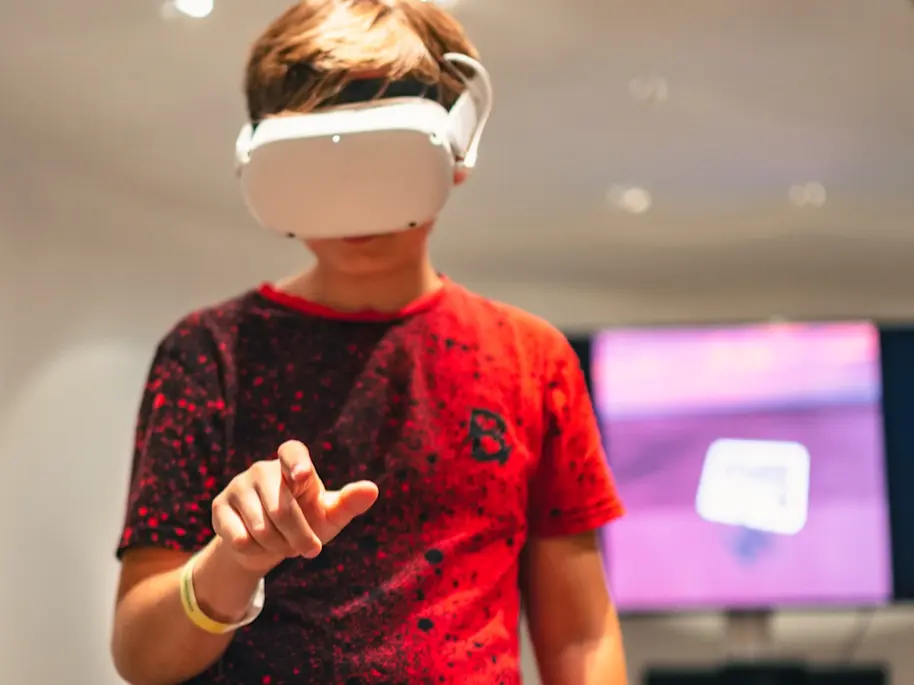
You wear a special headset that covers your eyes, and the scene moves when you turn your head or move your body. It’s a fun trick on your eyes and brain that helps you explore totally different worlds.
VR vs. 360° video
In a 360° video, you’re at a fixed point within the scene and can look around in every direction. But in a virtual world experienced through a VR headset, it feels like you’re truly there—you can walk around just as you can in the real world and interact with objects using your hands.
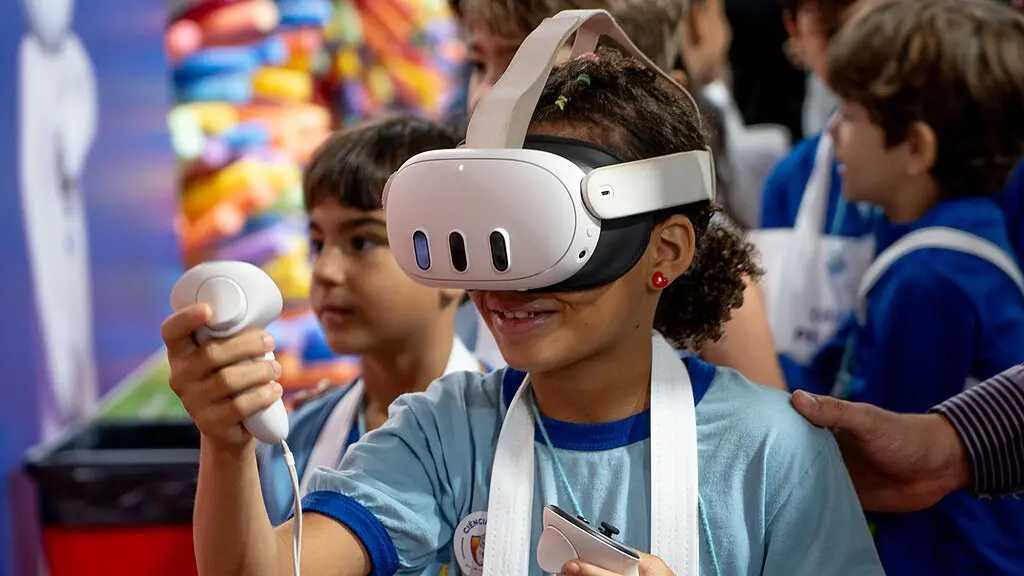
How VR headsets work
VR lets you see, hear, and move so you can experience things that you would otherwise only watch or read about. With gloves or controllers, you can even feel what you see.
This sense of being present “inside” a scene is called immersion. It can help hold your attention, so you’re more engaged as you learn. Using your senses together can help you remember, because you didn’t just read about something—you experienced it.
Can VR help us learn science?

VR helps you explore things that are too tiny, huge, dangerous, or far away to see in real life. You can look inside a cloud, walk through a volcano, float above Earth, or zoom into a blood cell—all without leaving home!
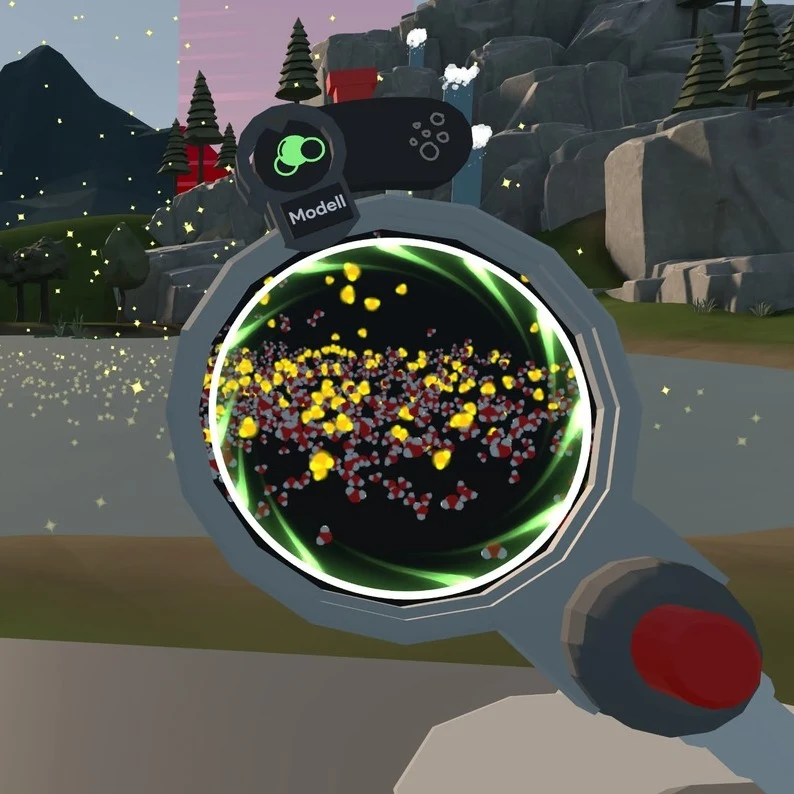
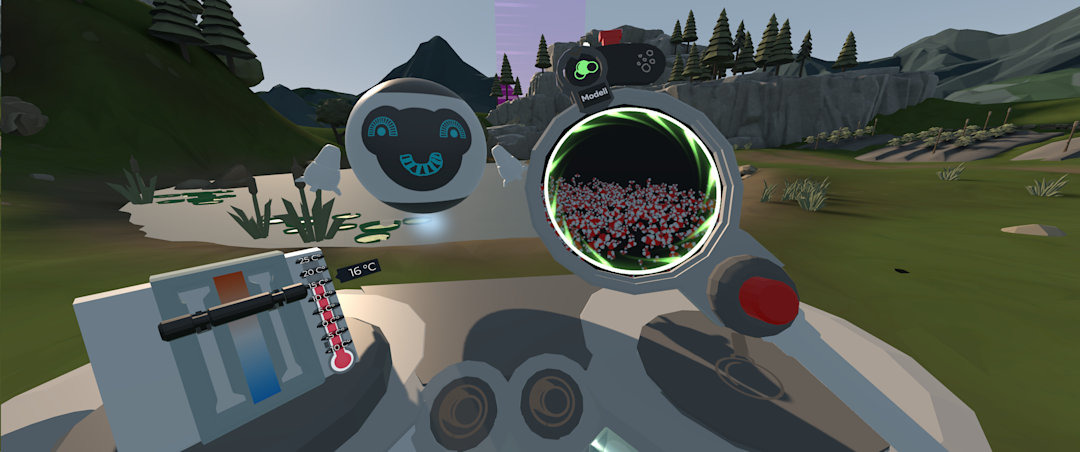
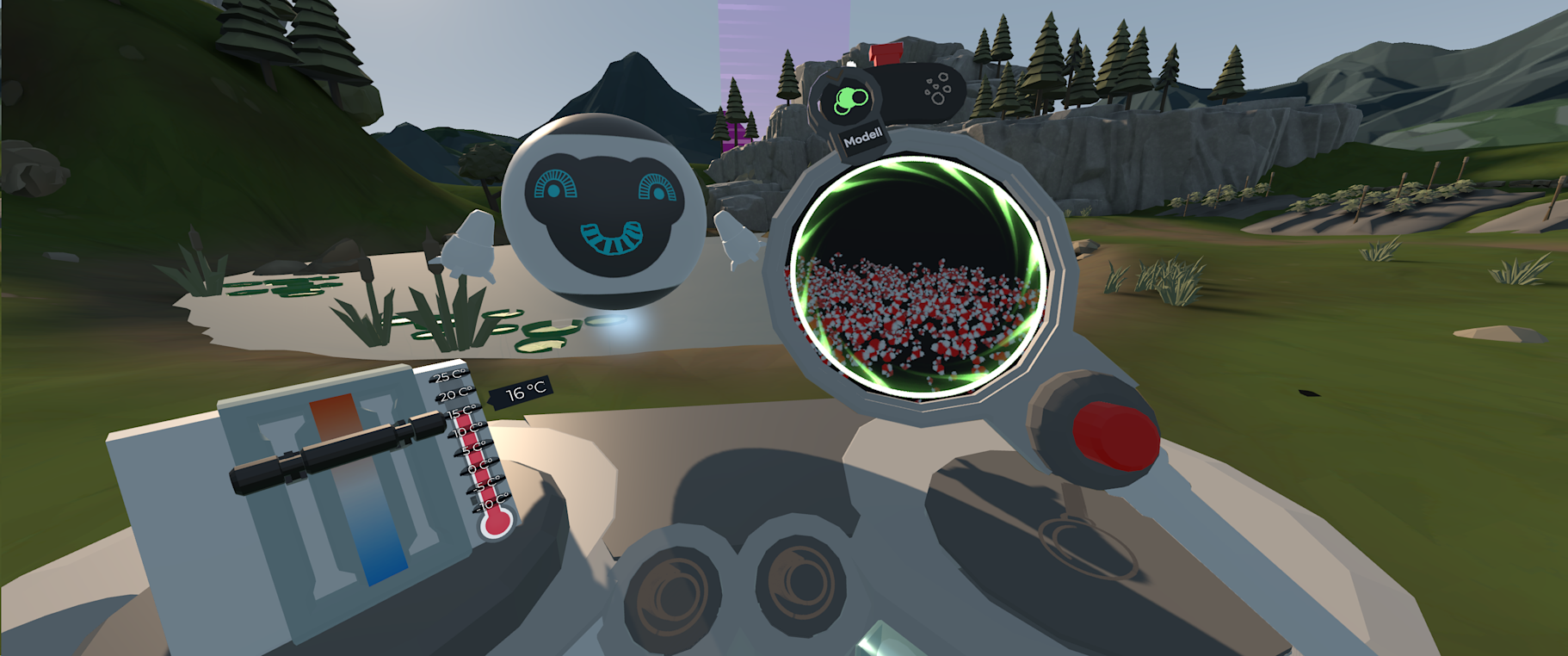
Some parts of science are too tiny to see or touch, like the molecules that make up a drop of water. In VR, you can shrink to their size, move them around, and feel their vibrations to explore how clouds become rain, snow, or fog.
Caring about Earth
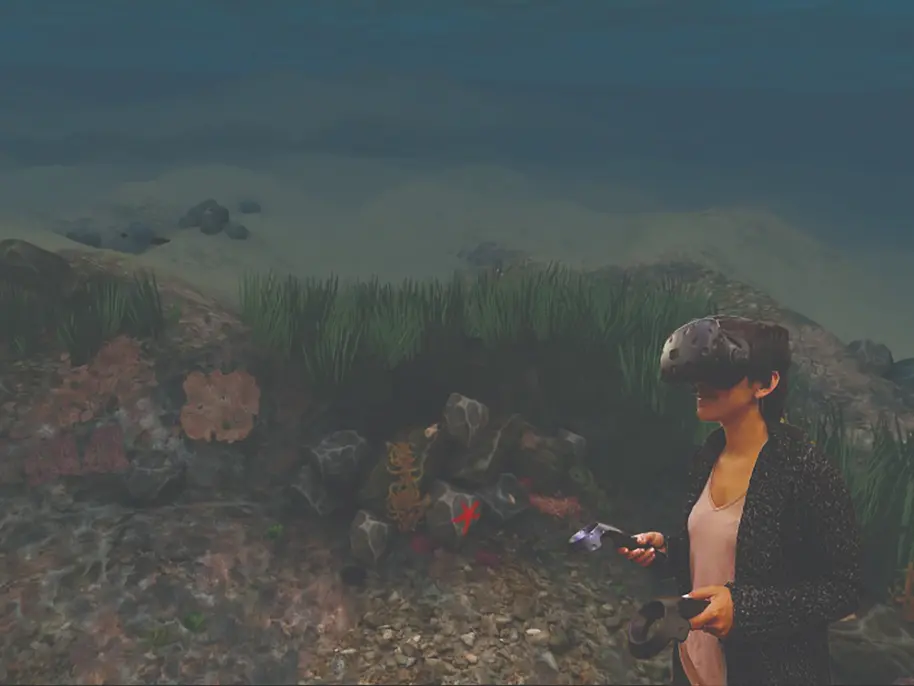
In an experiment, kids used virtual reality to explore the ocean. They saw how pollution and climate change harm sea life, like coral and fish.
The experience helped them remember processes, such as how the ocean becomes more acidic, and why that’s dangerous. It also made them curious and more interested in protecting the sea.
What else can VR help us learn?
With VR, you can explore art and culture in new, interactive ways. Imagine stepping inside a painting and looking up at the swirling skies of Van Gogh’s The Starry Night! Immersive VR can make learning in museums more playful and exciting. Which artwork would you like to explore?
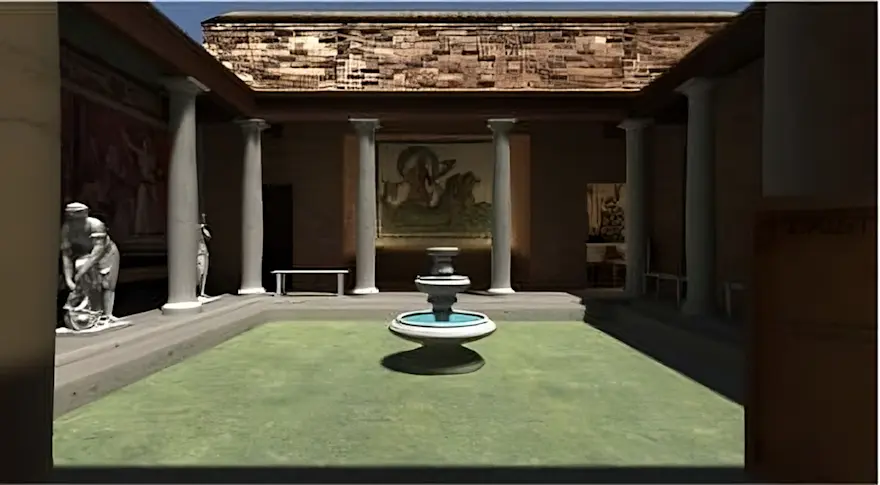
Learning history with VR can feel like stepping into the past. In one project, kids explored an ancient Roman house with VR headsets. They walked through rooms, heard stories, and saw how people lived long ago. Using their senses and moving around made the lesson more engaging. When learning feels real and fun, it’s easier to remember.
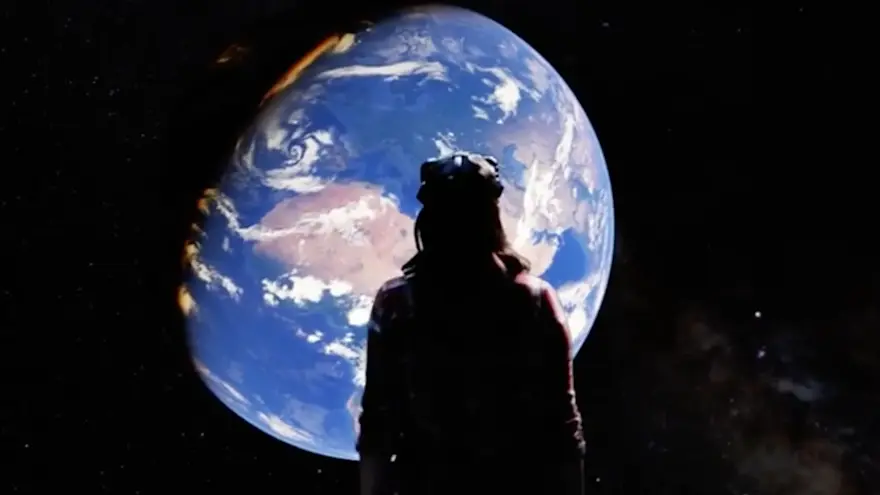
With VR travel apps, you can explore the world from your living room. Google Earth VR lets you soar over mountains, wander through cities, and stand atop landmarks like the Great Wall of China. It’s a great way to see places you might never visit in real life. So, where will your adventure begin?
Book, video, or VR?

Books let you learn at your own pace, reread tricky parts, and dive deeper into any topic. Books are portable and never need charging. They’re also perfect for learning facts, helping you focus on words and numbers without distractions.

Videos show how things change over time, like clouds drifting or steps in a process. By combining images, sound, and sometimes written words, they make learning clearer and more memorable. They’re easy to watch and share, though they do need a phone or computer.
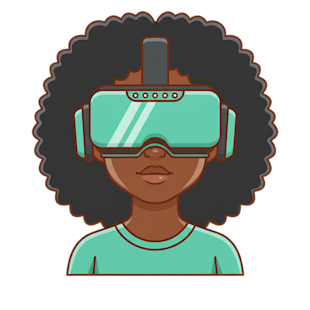
VR is best when you want to feel like you're really inside a place. It makes learning exciting and interactive because you can move around and change things in your environment. Vivid experiences can help you remember what you’ve learned.
Challenges of VR
VR is fun, but not perfect. Headsets can be expensive or uncomfortable, especially for kids. Seeing movement like flying or walking in VR while your body stays still can confuse your brain and make you feel dizzy or sick.
VR can also tire your eyes or make you feel a little uneasy or anxious. To stay safe, take a break after 20 minutes.
In partnership with


 Engage
Difficulty
Easy
Want to know more?
Learning Objectives
Based on Curriculum 21, German-speaking Switzerland, 2025.
Students can…
1a) share their experiences in virtual worlds, and talk about their media usage.
2b) name the advantages and disadvantages of virtually mediated experiences.
Learning in VR
reflect on what it means to feel “immersed” in a learning experience.
compare learning with VR to traditional methods (e.g., reading or watching videos) and discuss when VR might be effective.
Water cycle
The 360° video provides a preview of the VR lessons and is intended to give students an impression in case no headset is available. Scientific processes have been simplified and shortened for the sake of cinematic editing. For teaching the water cycle, we recommend using the full VR environment available on Meta (German only).
NMG 2.2 for 9+
2e) can relate and organize various phenomena and characteristics concerning the sun/light, air, heat and water, as well as explain and classify the insights gained from them.
About the author
This story has been written by Jessica Stoller-Conrad
Jessica is a science writer who loves explaining complex things in simple ways. She’s produced articles, games, and videos for kids—and authored an award-winning book for kids, too.

Bibliography
Learning science with VR
Martarelli, C. S., Dubach, J., Schelleis, N., Cacchione, T., & Tempelmann, S. (2025). Virtual reality in primary science education: Improving knowledge of the water cycle. Educational Technology Research and Development, 73(4), 999–1024. https://doi.org/10.1007/s11423-024-10431-4
Markowitz, D. M., Laha, R., Perone, B. P., Pea, R. D., & Bailenson, J. N. (2018). Immersive virtual reality field trips facilitate learning about climate change. Frontiers in Psychology, 9, Article 2364. https://doi.org/10.3389/fpsyg.2018.02364
Deeks, H. M., Walters, R. K., Hare, S. R., O’Connor, M. B., Mulholland, A. J., & Glowacki, D. R. (2020). Interactive molecular dynamics in virtual reality for accurate flexible protein-ligand docking. PLOS ONE, 15(3), e0228461. https://doi.org/10.1371/journal.pone.0228461
Goddard, T. D., Brilliant, A. A., Skillman, T. L., Vergen, S., Tyrwhitt-Drake, J., Meng, E. C., & Ferrin, T. E. (2018). Molecular visualization on the holodeck: New tools for immersive molecular architecture exploration. Journal of Molecular Biology, 430(21), 3982–3996. https://doi.org/10.1016/j.jmb.2018.06.040
VR and Cognition
Palombi, T., Galli, F., Giancamilli, F., D'Amico, M., Alivernini, F., Gallo, L., Neroni, P., Predazzi, M., De Pietro, G., Lucidi, F., Giordano, A., & Chirico, A. (2023). The role of sense of presence in expressing cognitive abilities in a virtual reality task: An initial validation study. Scientific Reports, 13, Article 13396. https://doi.org/10.1038/s41598-023-40510-0
VR, art and history
Carrozzino, M., & Bergamasco, M. (2010). Beyond virtual museums: Experiencing immersive virtual reality in real museums. Journal of Cultural Heritage, 11(4), 452–458. https://doi.org/10.1016/j.culher.2010.04.001
Boffi, P., Clerici, M., Gallace, A., & Lanzi, P. L. (2023). An educational experience in ancient Rome to evaluate the impact of virtual reality on human learning processes. Computers & Education: X Reality, 2, 100014. https://doi.org/10.1016/j.cexr.2023.100014
Podwal, M. (2016, November 16). Google Earth VR — Bringing the whole wide world to virtual reality. Google. https://blog.google/products/google-ar-vr/google-earth-vr-bringing-whole-wide-world-virtual-reality/
VR limitations
Hamad, A., & Jia, B. (2022). How virtual reality technology has changed our lives: An overview of the current and potential applications and limitations. International Journal of Environmental Research and Public Health, 19(18), 11278. https://doi.org/10.3390/ijerph191811278
Mental health in children. (2025, March 23). Virtual reality’s impact on your child’s mental health: What parents need to know. https://www.kidsmentalhealth.ca/virtual-realitys-impact-on-your-childs-mental-health-what-parents-need-to-know/
VR, books, or video
Conrad, M., Kablitz, D., & Schumann, S. (2024). Learning effectiveness of immersive virtual reality in education and training: A systematic review of findings. Computers & Education: X Reality, 4, Article 11. https://doi.org/10.1016/j.cexr.2024.100053
Copyright and Licenses
Images used in the quizzes
Wikia-Gamescom by Tim Bartel, 2017, Flickr, CC BY 2.0.
Adaptive VR Boy by Ehighway, 2019, Wikimedia Commons, CC BY-SA.
An Asian girl is reading a book in a library, n.d., Adobe Stock, Copyright (Royalty-Free Standard License).
Cute little toddler girl and school kid boy watching animal movie by Irina Schmidt, n.d., Adobe Stock, Copyright (Royalty-Free Standard License).
Asian Little boy with VR glasses, n.d., Adobe Stock, Copyright (Royalty-Free Standard License).
Young boy on dark background by Kddesignphoto, n.d., Adobe Stock, Copyright (Royalty-Free Standard License).
Up Next