
Design a robot that learns like you

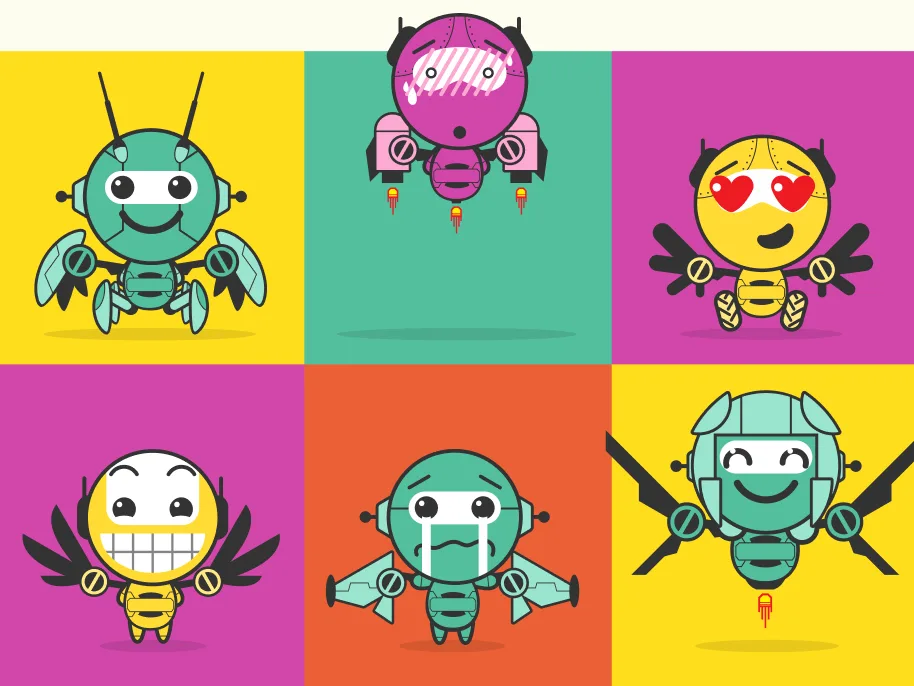
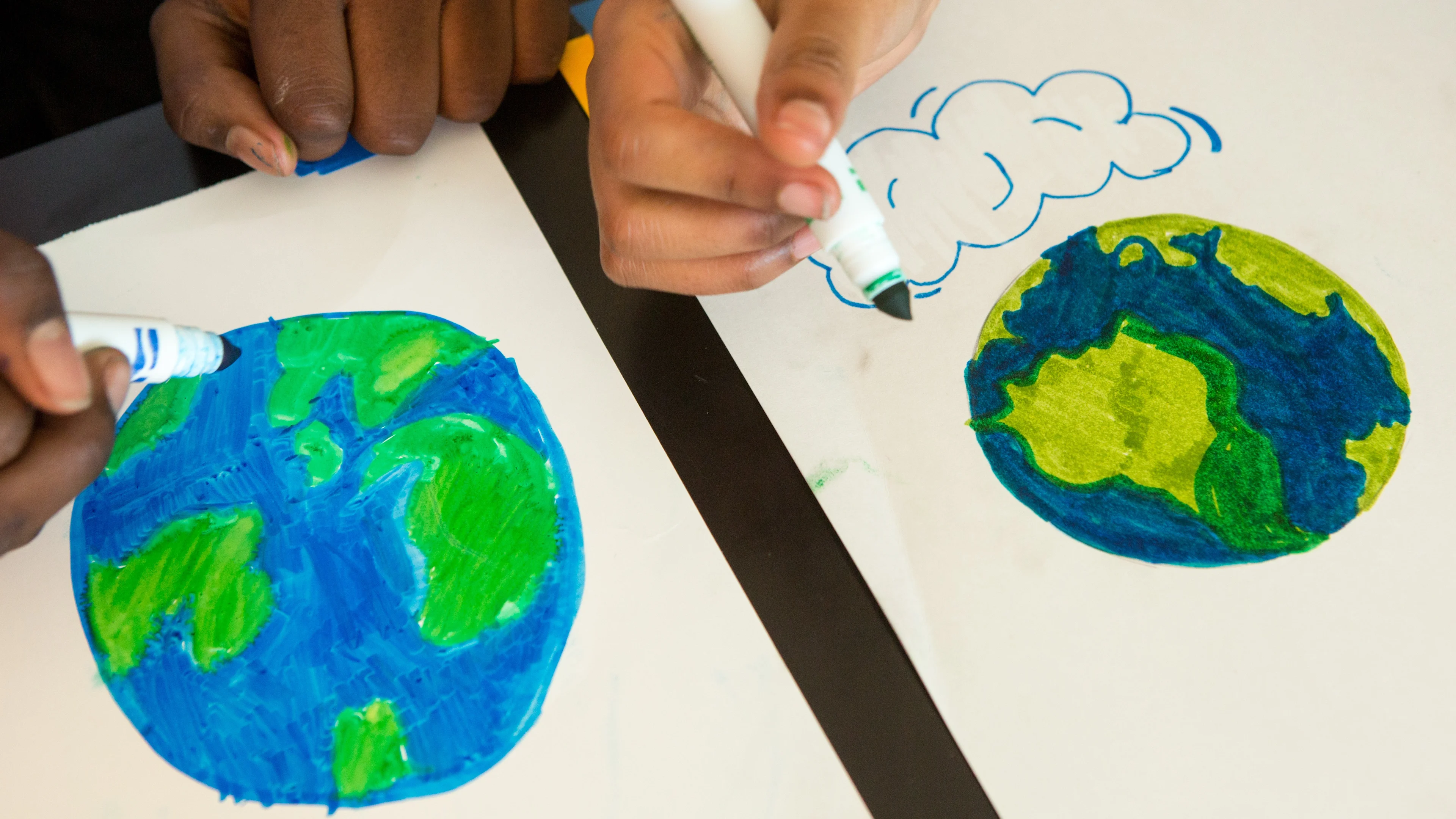
 Design a robot that learns like you!Design a robot that learns like you!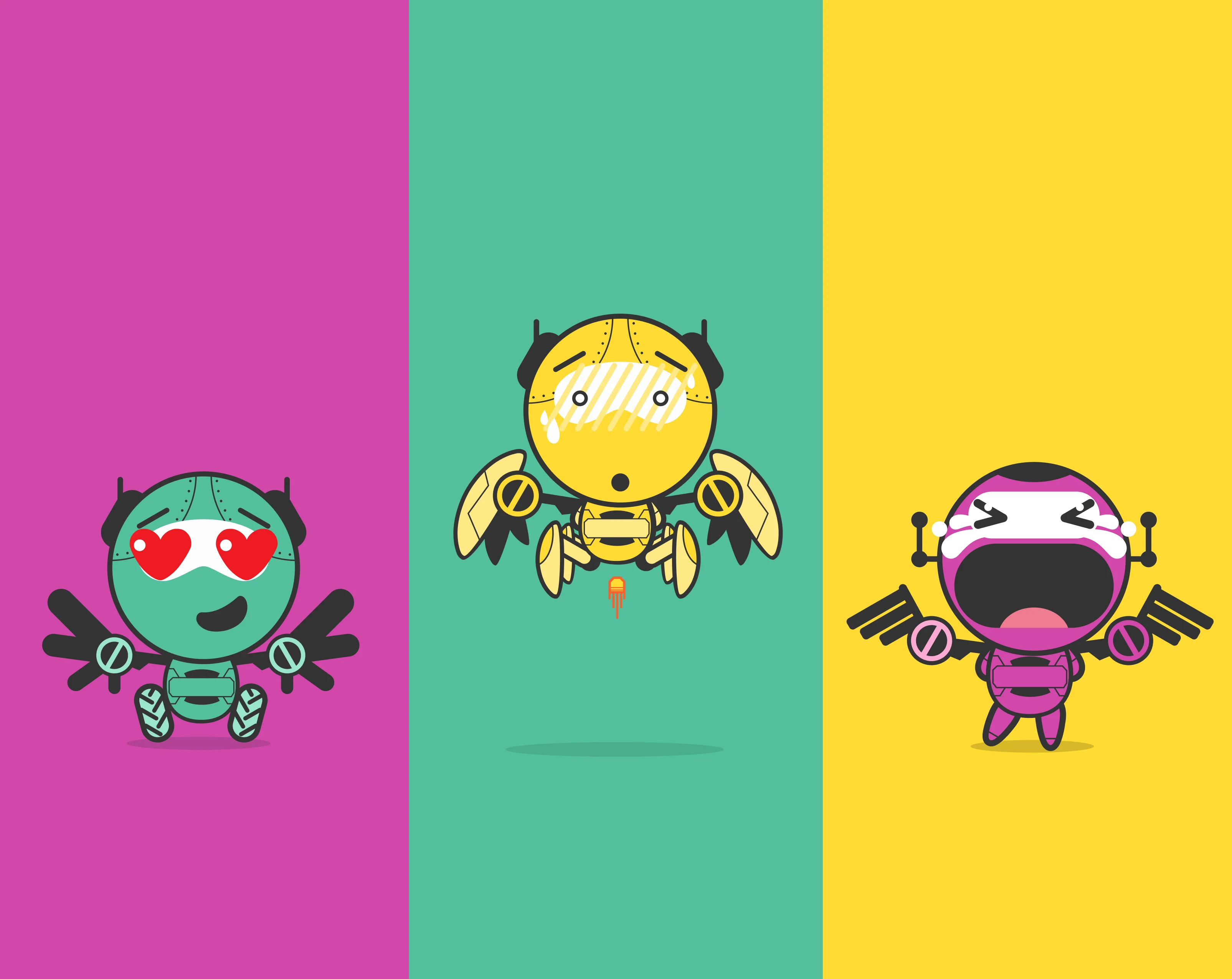

 Explore
 Explain
What makes your learning unique?
Time to show off your robot! Share it with classmates and explain your choices. How are your robots different, and what do they have in common?
Try the activity again for different subjects or on different days. Does your robot change? If so, what changes? Do you know why it changes?
Explore how your learning shifts over time!
Different ways of learning
Learning isn’t always the same. Listening to a teacher, watching a video, reading a book, or playing games can all teach you something. Sometimes you might not even realize that you’re learning!
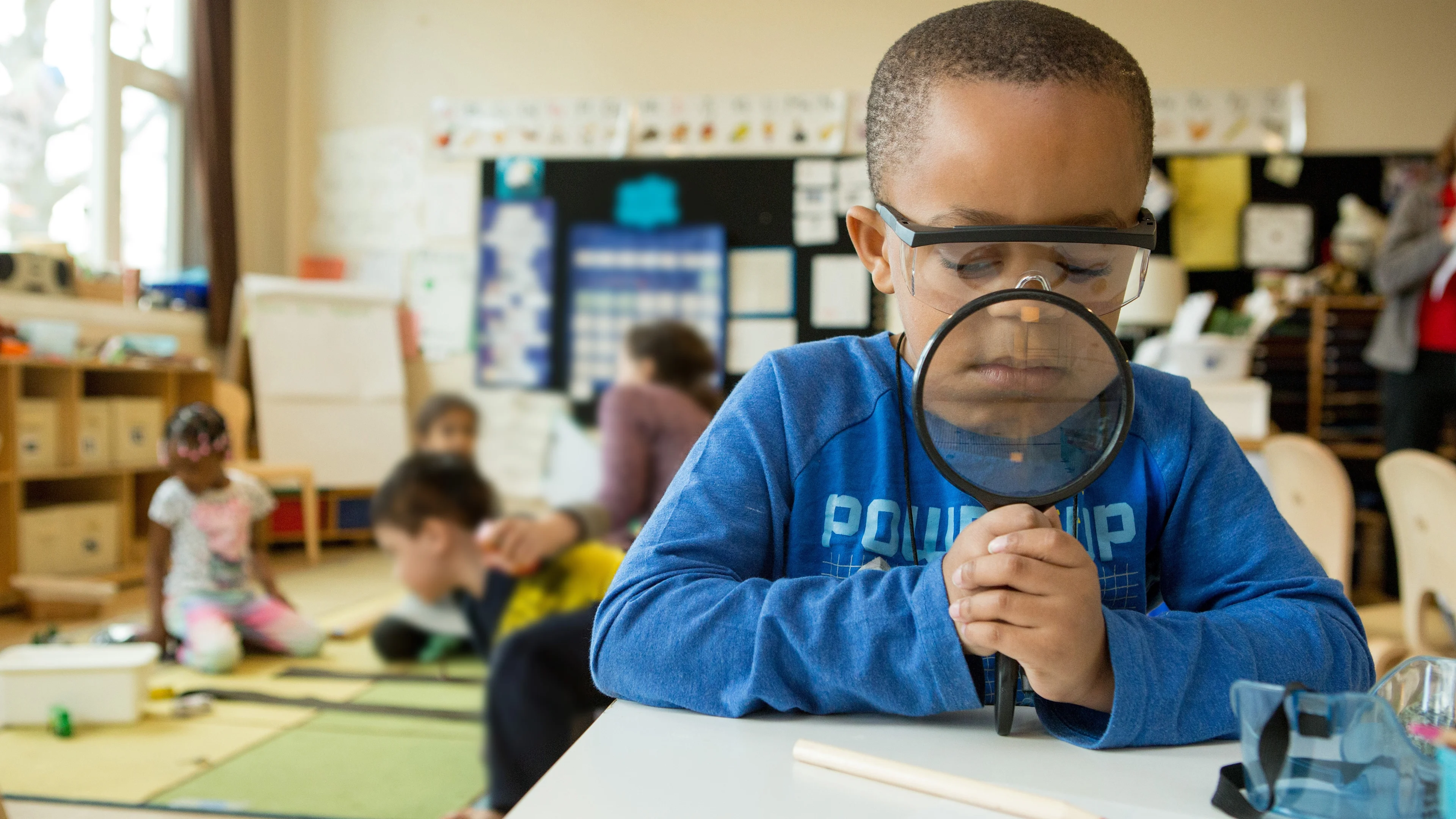
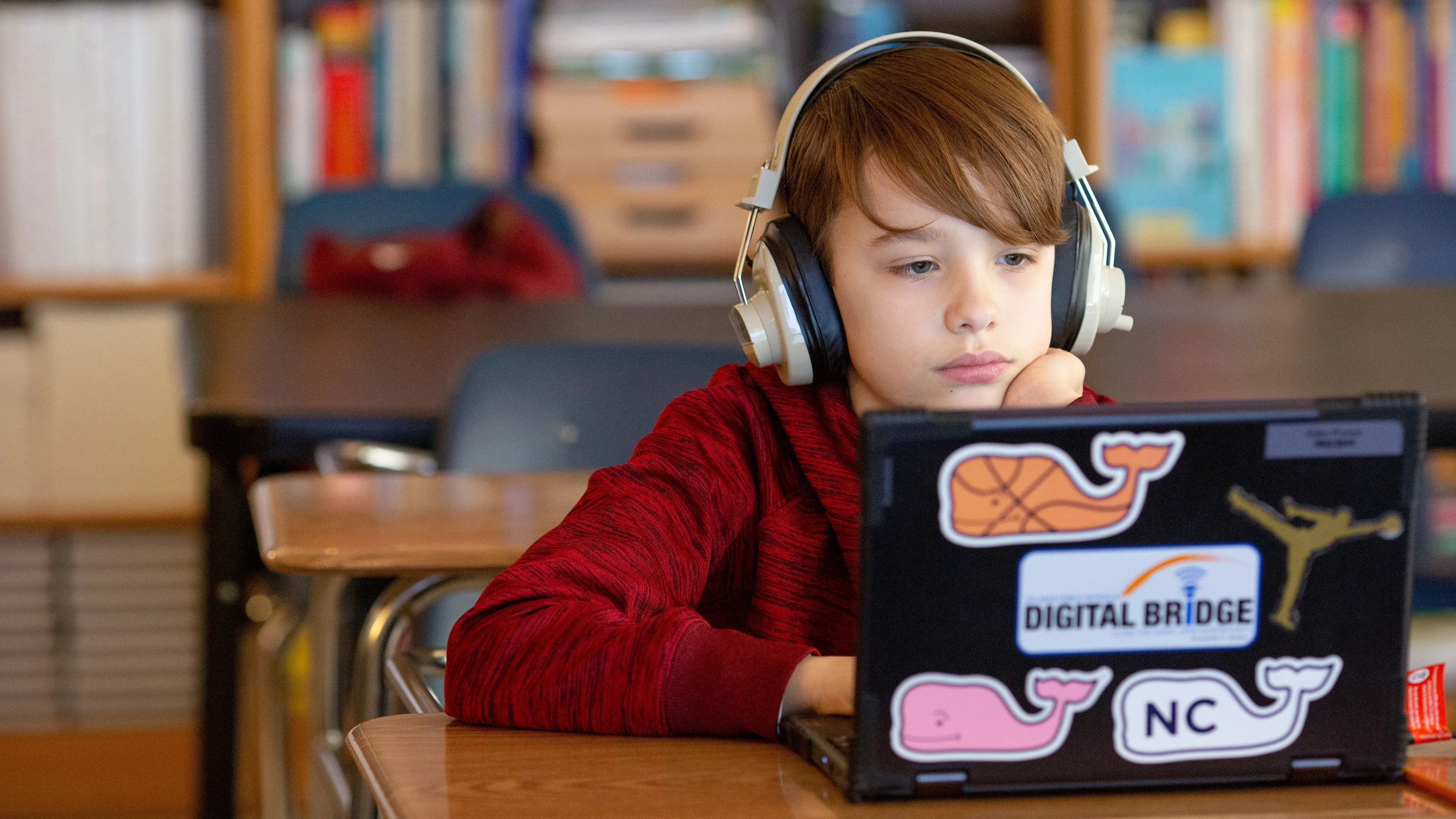
Why isn’t learning always the same?
You now know that not everyone learns in the same way, but why is that? One reason is simply that we don’t all like the same things. But there are many other factors that matter when we learn. We all think differently, come from different places, and learn best in different kinds of spaces. Below are a few examples of what makes us all unique learners.
Favorite subjects
You’re more engaged if you like the topic you’re studying, but not everyone has the same interests. What you like best is more fun to study, and that makes it easier to learn. What do you like to learn about?
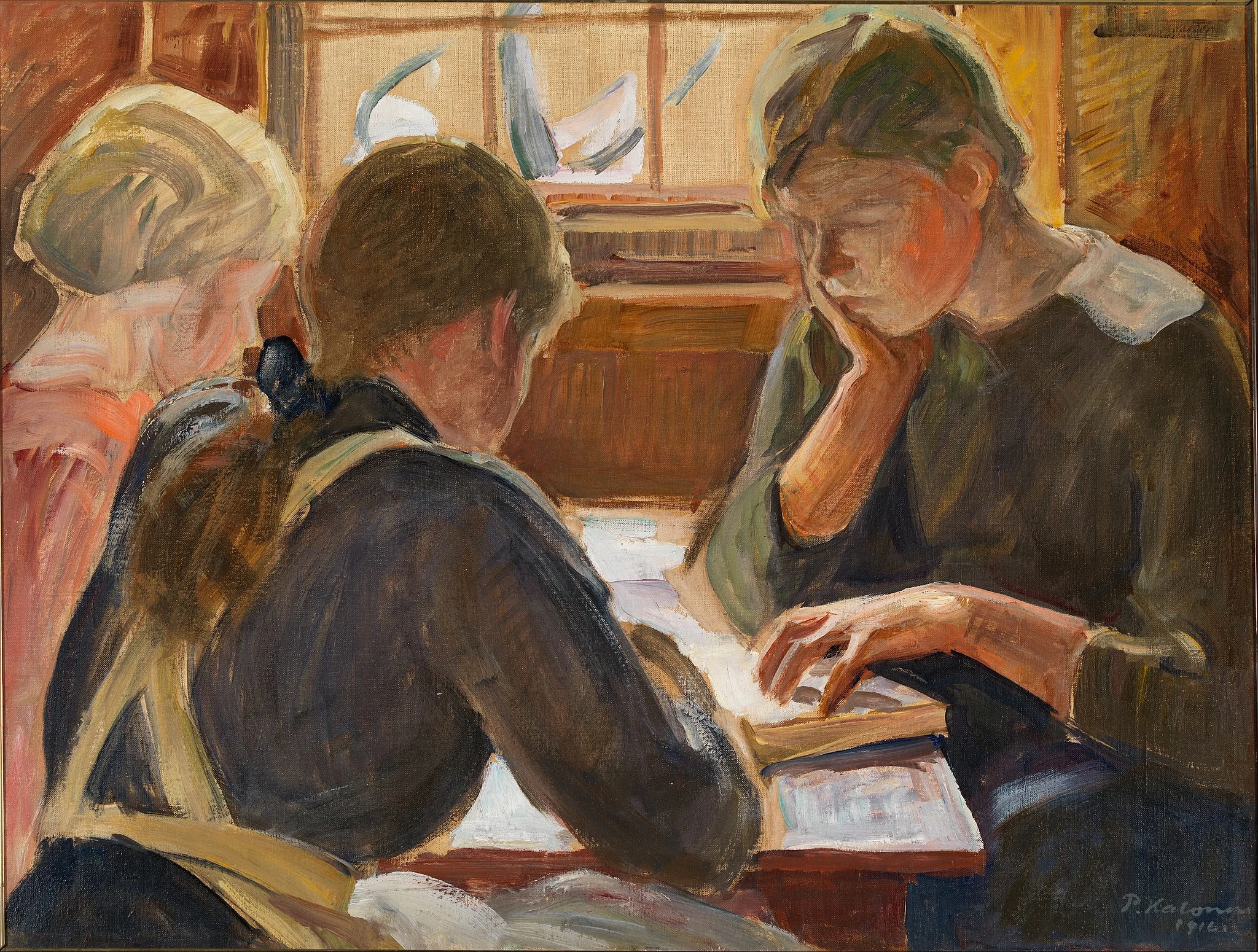
Alone or together
You can learn alone, or you can work together and talk about what you learned. When you’re learning something new, you might do a mix of these things. For example, you might read on your own and then discuss it with others in the class.
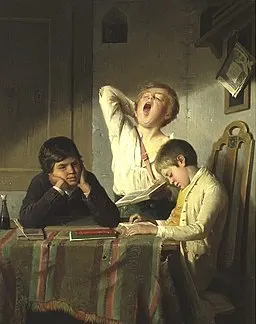
Sleep
If you don’t get enough sleep, it can be more difficult to concentrate on what you need to learn. Some schools have even changed their start times so that their students can get enough sleep to learn better. (They go home a bit later, too, of course!)
What helps each of us learn best?
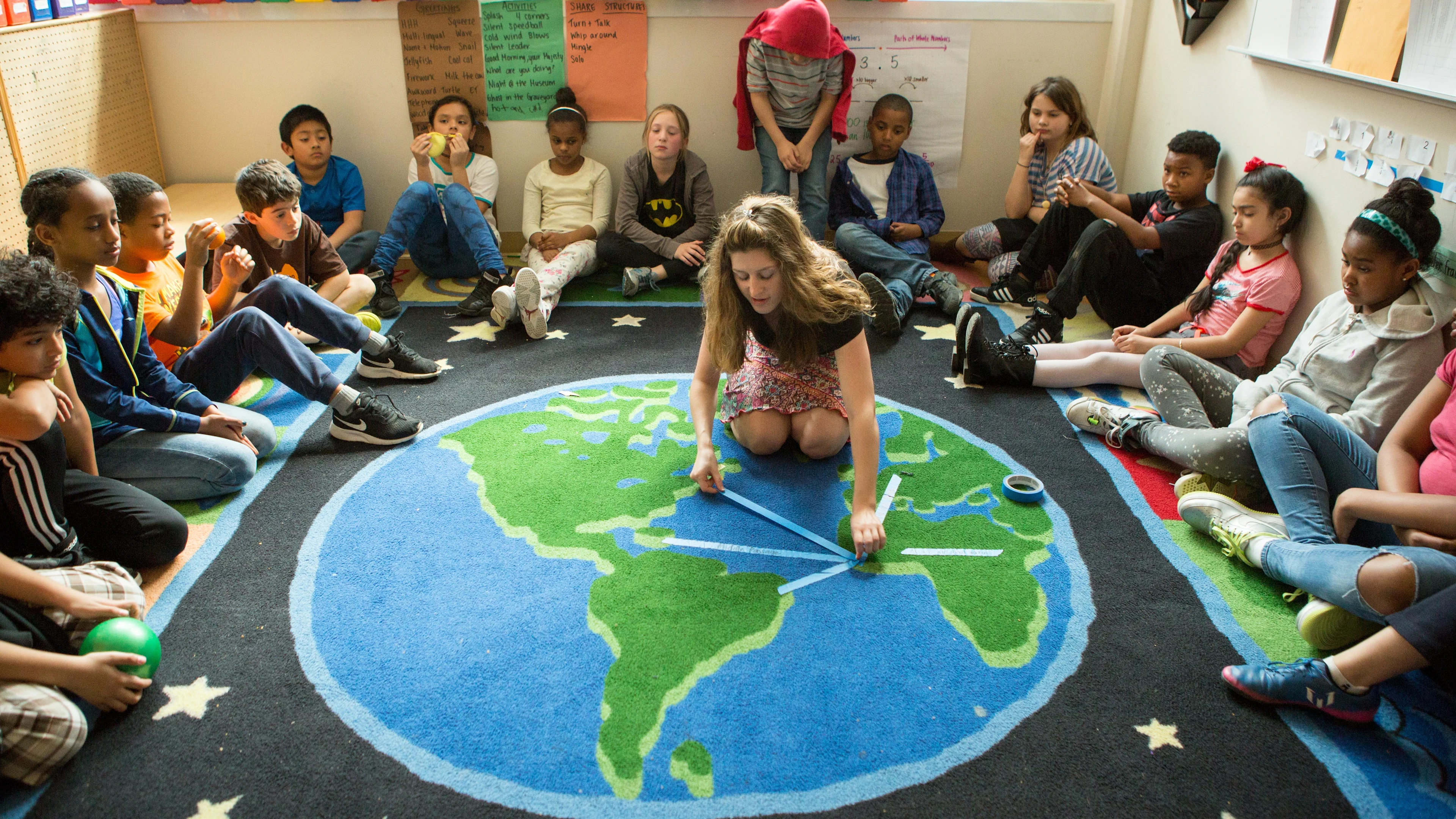
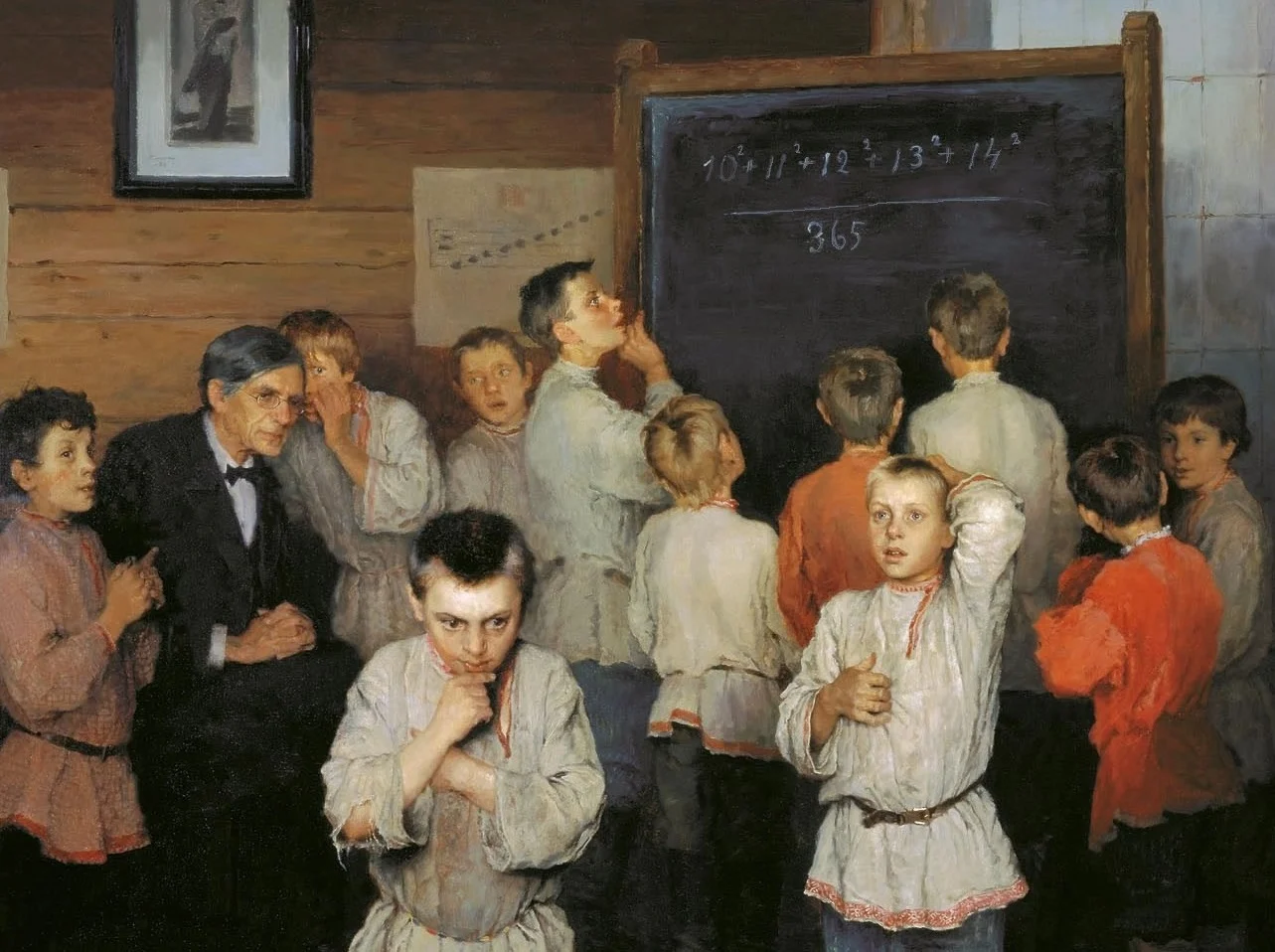
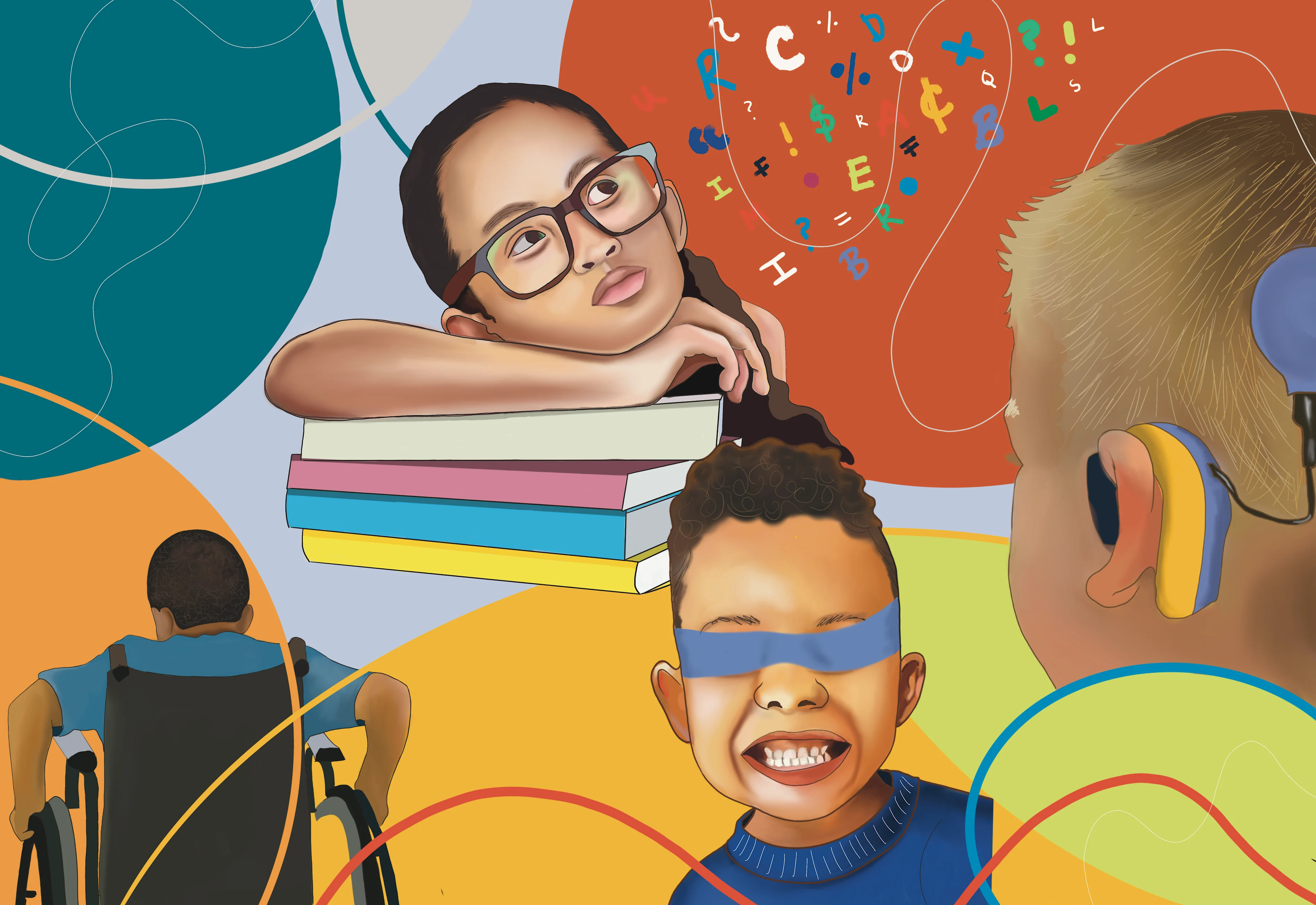
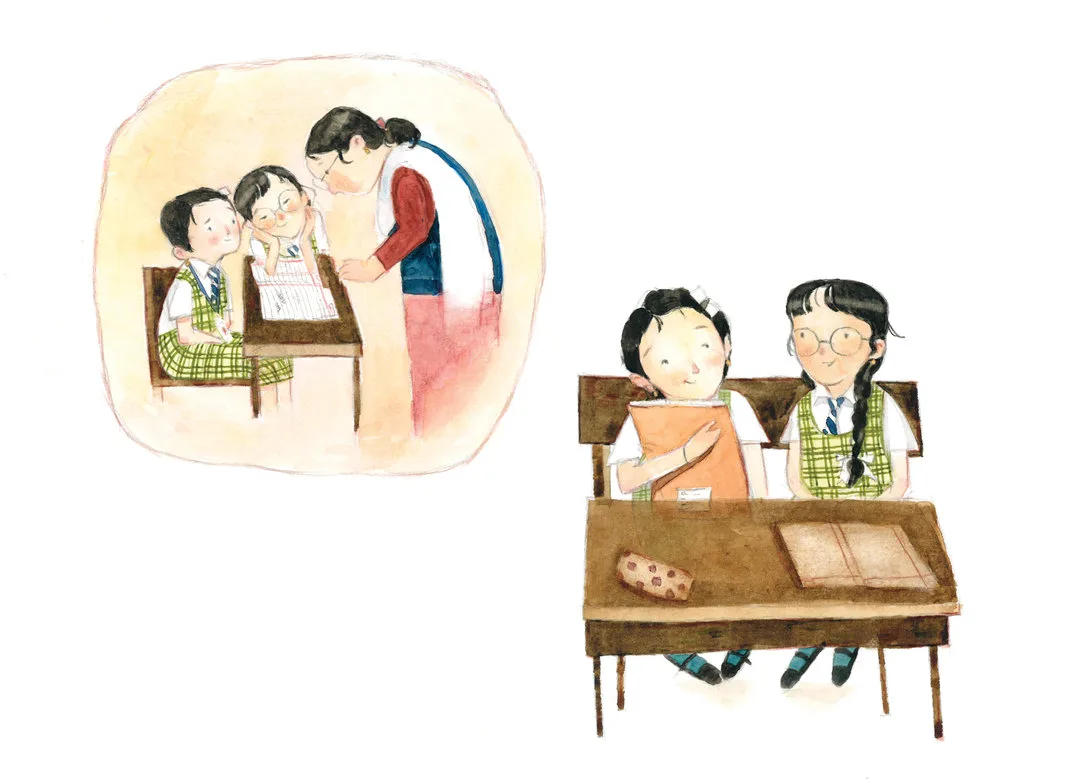
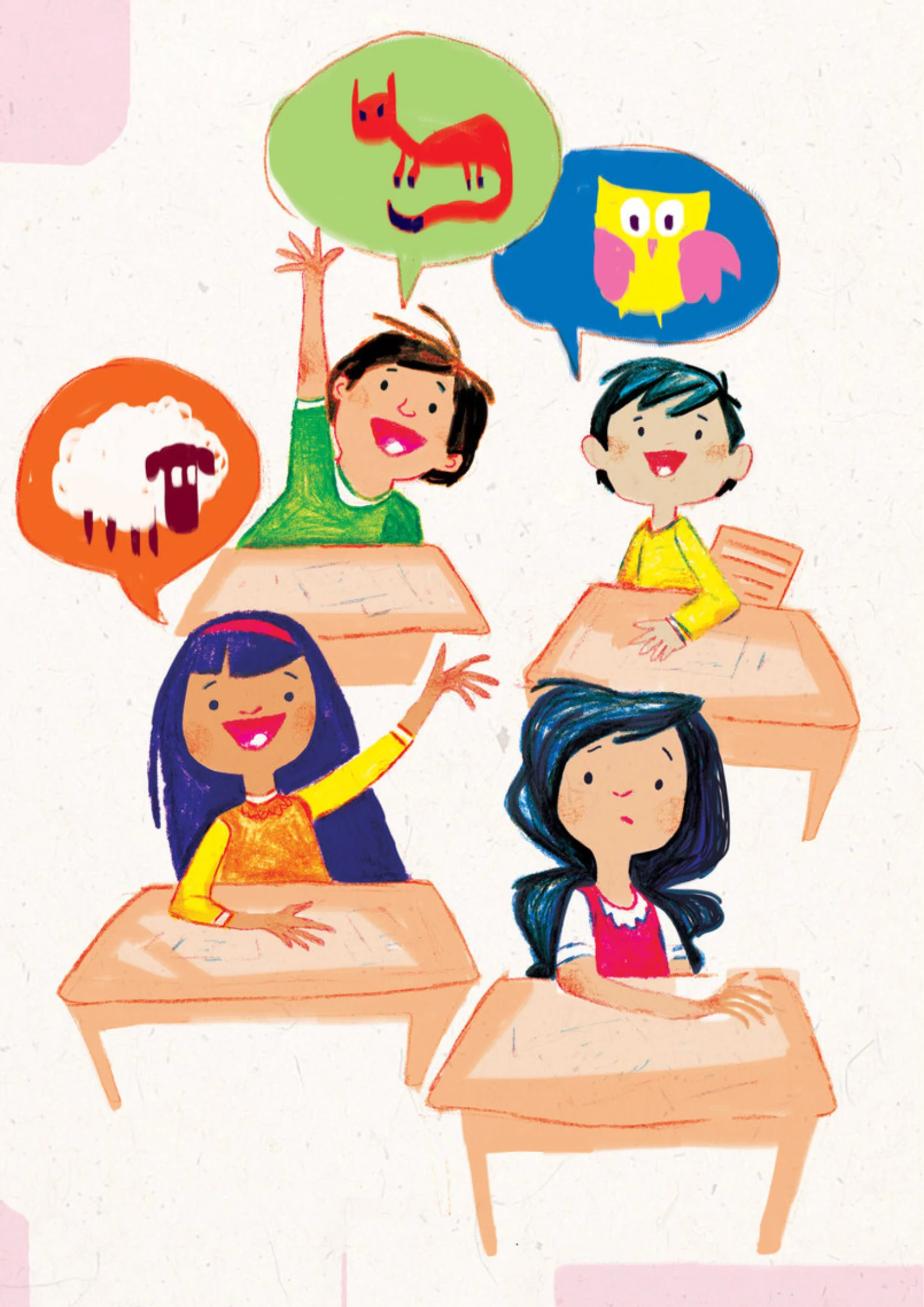
The way you learn best is probably different from how your friends learn. Look at the children in the picture. Each of them may experience learning in different ways.
Some differences are easy to see. Others aren’t visible at all, but they’re just as real.
How might these kids solve the same math problem in different ways?
Did
you
know
?
What works for learning can change
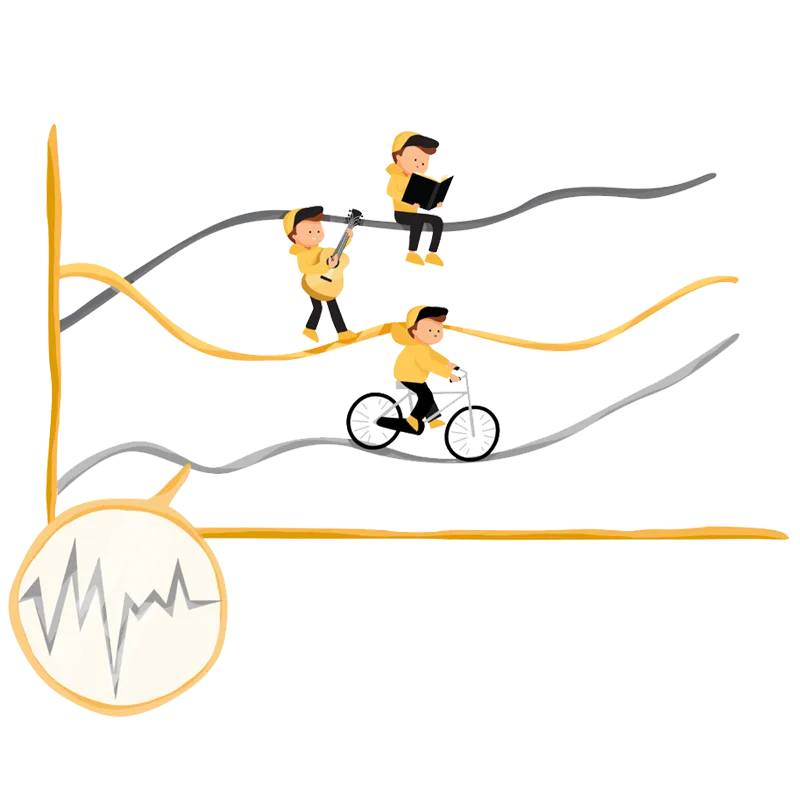
You may have heard that everyone has a favorite way to learn, like listening, reading, or doing. But scientists have found that what works best for you can change from moment to moment, even within the same day. It depends on the subject, the activity, your abilities, and even how you feel in that moment and where you learn. This is called “learning variability.” It can help you understand why learning new things sometimes feels easy, but at other times you might suddenly forget how to do something that usually seems very simple.
Powered By

How can technology help you learn?
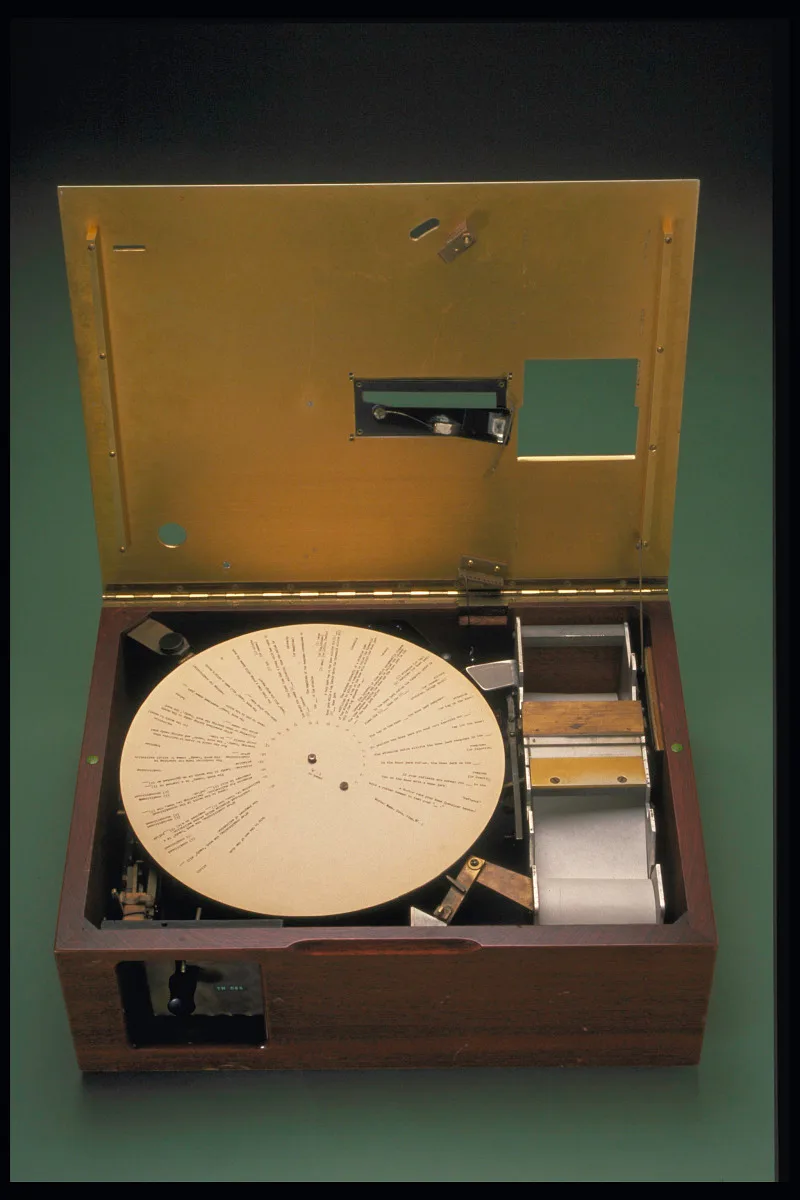
Check your answer
Over 100 years ago, the first “Teaching Machine” showed quiz questions, and students had to press the answers. It only let kids move on when they answered correctly. It introduced the idea of learning at your own pace.
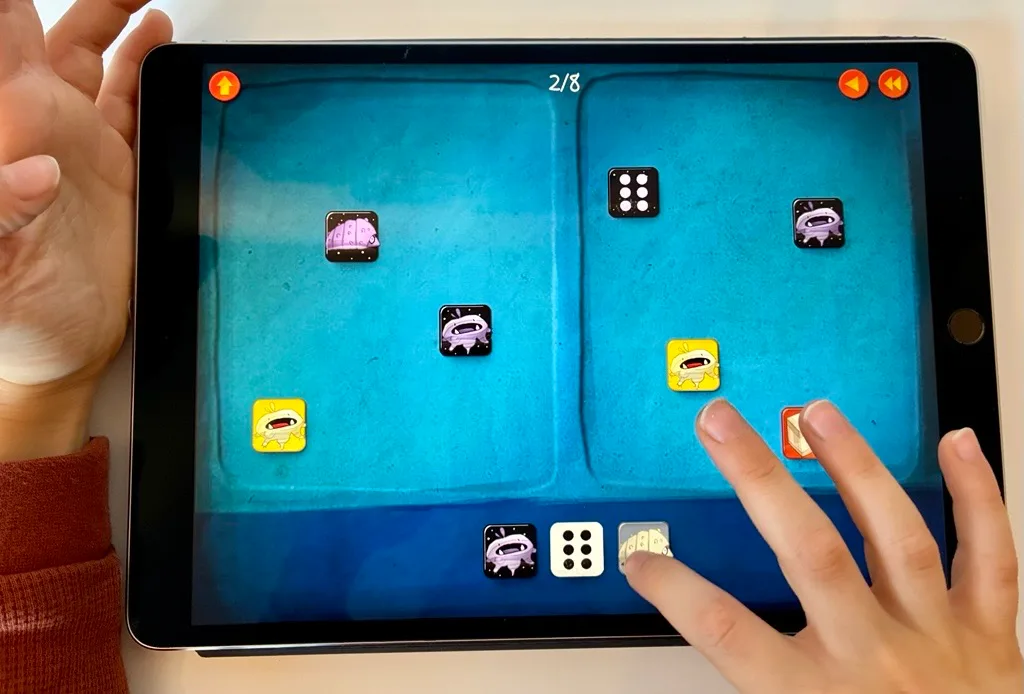
Achieve a goal
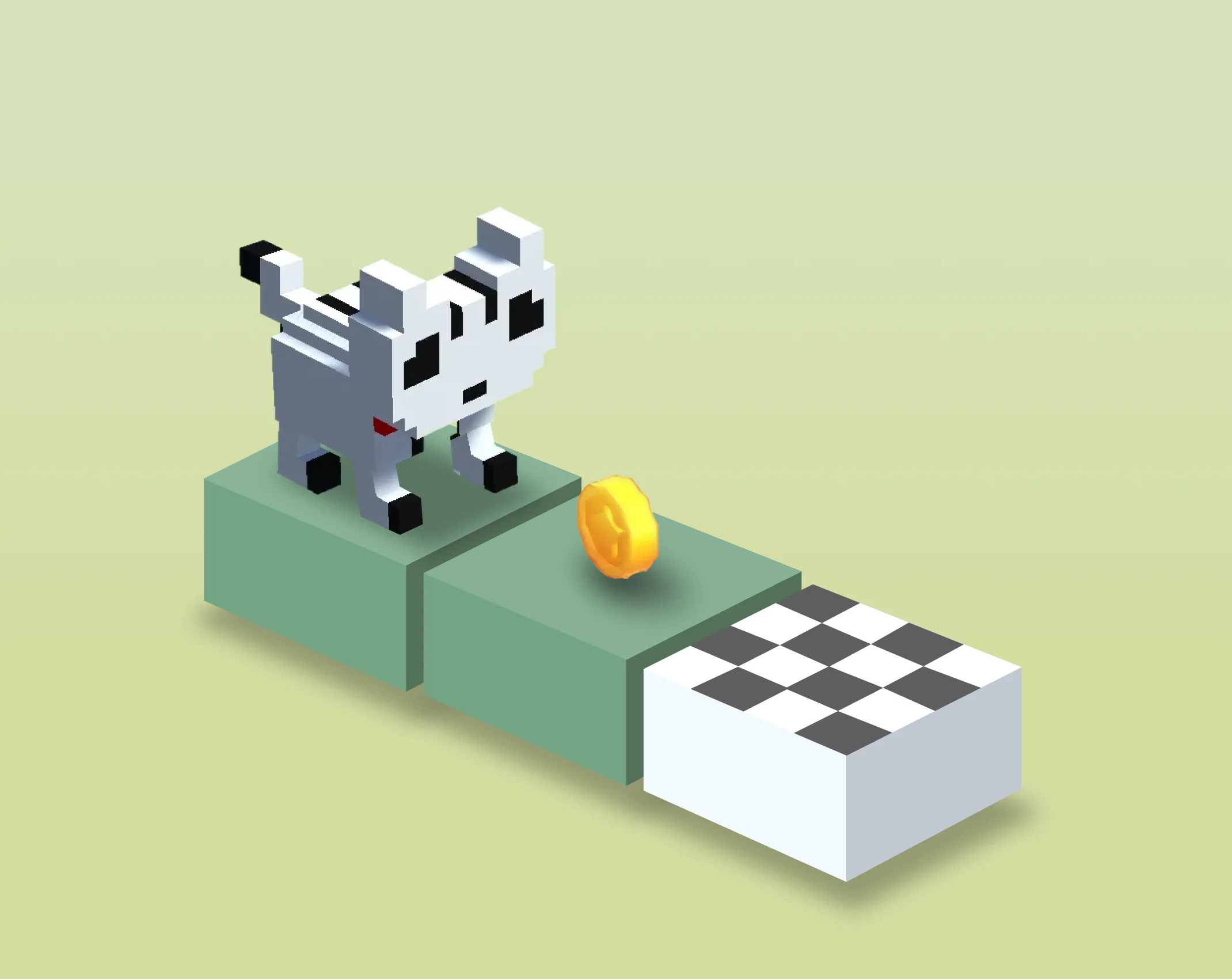
Games like DragonBox Algebra can be fun and let you learn at your own pace. You start by moving and matching items, which slowly turn into numbers and letters, helping you learn to solve equations. Many challenges in games can keep you motivated!
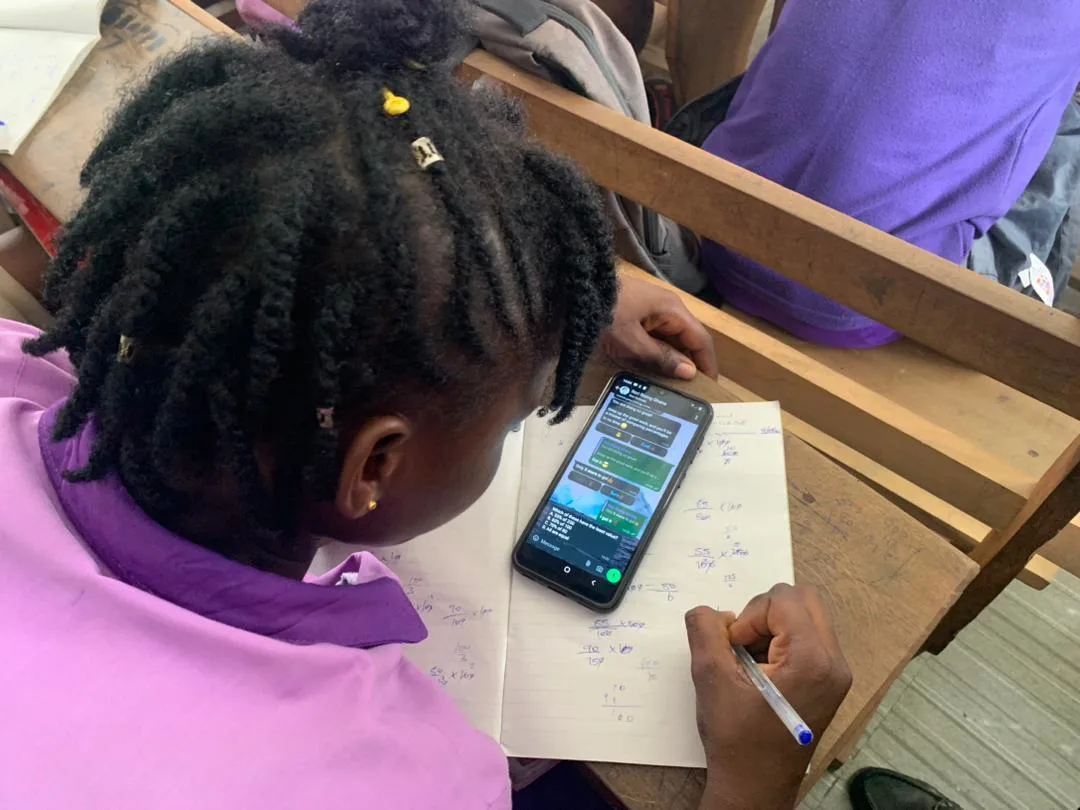
Learn your way
Modern learning tools use smart technology to help you improve step by step. For example, the math app RORI explains your mistakes and learns from your answers to show you new questions that are not too easy or too hard.
Learning from each other
Smart learning tools can adjust to your needs, so you can learn better and faster. But did you know that it’s just as important to listen and learn from others?
Everyone has different skills, habits, and unique life experiences. Sharing them can teach you new ways to think and solve problems.
What’s one thing you’ve learned from your classmates?
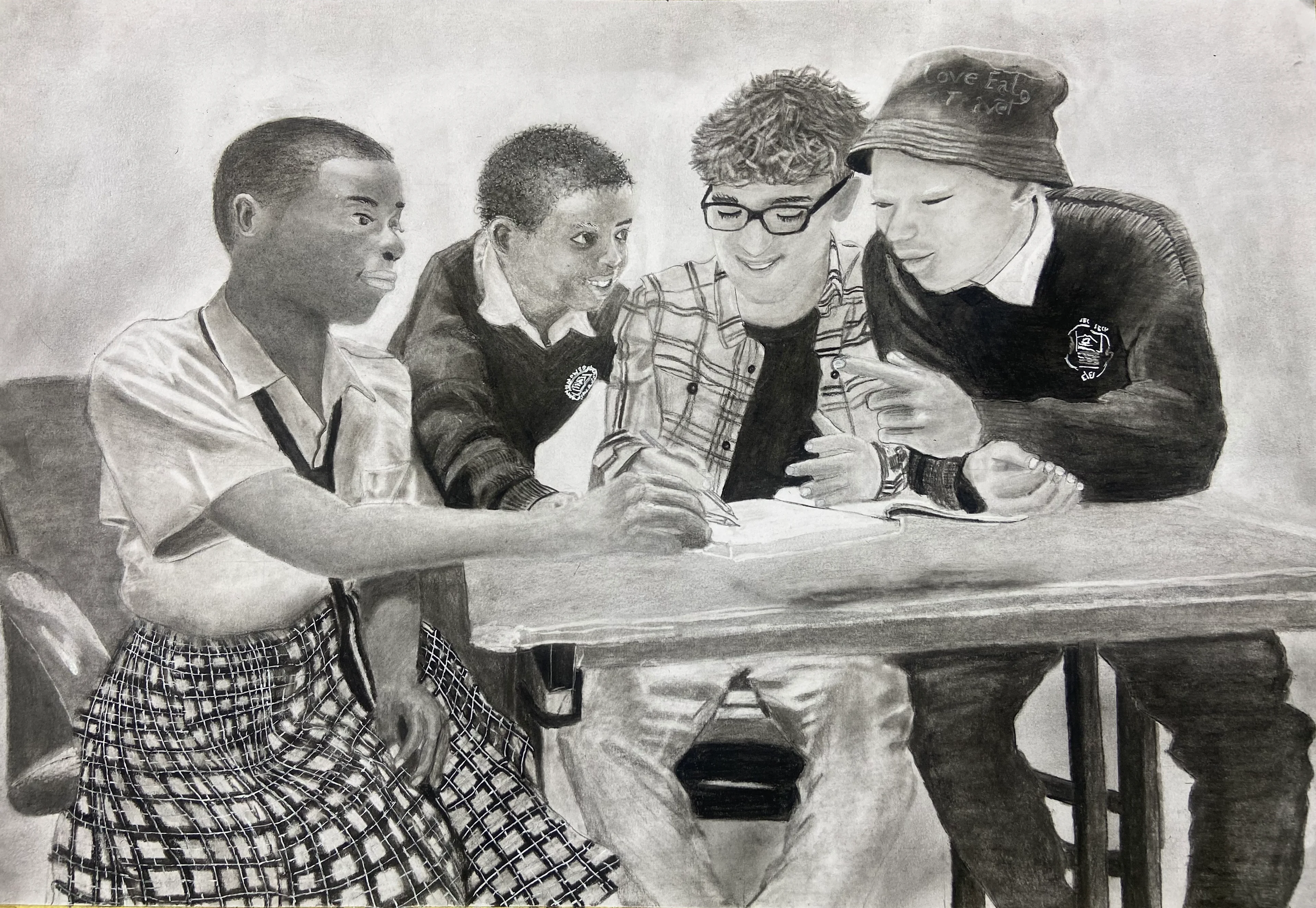
Explore how you learn best
How do you find out what works best for you? Give it a try! For example, do you learn math better by working through problems in your own time or by discussing them with others? And is it always that way, or does it change sometimes? Here are three tips to help you find your own way of learning.
In partnership with


 Engage
Difficulty
Easy
Want to know more?
Learning Objectives
Understanding oneself as a learner
The students...
can recognize and articulate individual learning interests and needs
can recognize personal strengths and challenges in learning and explain them.
can reflect on learning experiences to understand what strategies and tools work best for them.
Learning variability
The students...
can explain why other learners might approach the same task differently or why they show different performance on different days.
Student agency
The students...
can explain, using examples, what it means to take responsibility for their own learning.
About the authors and experts
Written by Eva Amsen
This story has been written by Eva Amsen, a science writer and a former scientist. She has written about science, scientists, learning and creativity for magazines and websites. Eva is also the author of the books “Hey There’s Science in This” and “Biology: 100 Ideas in 100 Words”.
Created in collaboration with Barbara Pape

This story was created in collaboration with Barbara Pape, a researcher working at the intersection of education, learning, and technology. She previously headed up the Learner Variability Project at Digital Promise, where she helped connect learning science research with educational practice. Drawing on Digital Promise’s Learning Variability Navigator, she supported this story with her expertise in learning variability, helping explain how children learn differently and why those differences matter.
Currently, she is pursuing a PhD at University College London (UCL), building on her professional experience to explore what strategies teachers need to create a sense of belonging for students with learning differences by centering student voice in her study.
Why every child learns differently: A conversation with Barbara Pape
Bibliography
Design a robot
Learning media
Learning outdoors
Kuo, M., Browning, M. H. E. M., & Penner, M. L. (2018). Do lessons in nature boost subsequent classroom engagement? Refueling students in flight. Frontiers in Psychology, 8, 2253. https://doi.org/10.3389/fpsyg.2017.02253
Learning Outside the Classroom (LOtC). (2022). Summary of evidence: Learning in natural environments. https://www.lotc.org.uk/wp-content/uploads/2023/02/Summary-of-Evidence-LOtC-in-Natural-Environments-Nov-2022.pdf
NRICH. (n.d.). Maths trails: Encouraging purposeful outdoor learning. https://nrich.maths.org/articles/maths-trails-encouraging-purposeful-outdoor-learning
Hands-on learning & problem solving
Fiorella, L., et al. (2024). Benefits of hands‑on learning on curiosity and conceptual understanding. Neuroscience & Biobehavioral Reviews. https://www.sciencedirect.com/science/article/pii/S0149763424002069
Mater, N., Daher, W., & Mahamid, F. (2023). The effect of STEAM activities based on experiential learning on ninth graders’ mental motivation. European Journal of Investigation in Health, Psychology and Education, 13(7), 1229–1244. https://doi.org/10.3390/ejihpe13070091
Video learning
Brame, C. J. (2016). Effective educational videos: Principles and guidelines for maximizing student learning from video content. CBE—Life Sciences Education, 15(4), Article es6. https://doi.org/10.1187/cbe.16-03-0125
Edutopia. (2018, October 23). Teaching students how to learn from videos. https://www.edutopia.org/article/teaching-students-how-learn-videos/
Mayer, R. E. (2024). The past, present, and future of the cognitive theory of multimedia learning. Educational Psychology Review, 36(1), Article 8. https://doi.org/10.1007/s10648-023-09842-1
Reading
Harvard Business Publishing. (n.d.). What makes storytelling so effective for learning? https://www.harvardbusiness.org/insight/what-makes-storytelling-so-effective-for-learning/
Pesco, D., & MacLeod, A. A. N. (2025). Dictating and acting out stories: A pathway to writing for preschoolers. Early Childhood Education Journal, 53, 1915–1923. https://doi.org/10.1007/s10643-024-01732-7
Roberts, B. R. T., Hu, Z. S., Curtis, E., Bodner, G. E., McLean, D., & MacLeod, C. M. (2024). Reading text aloud benefits memory but not comprehension. Memory & Cognition, 52(1), 57–72. https://doi.org/10.3758/s13421-023-01442-2
Vaahtoranta, E., Lenhart, J., Suggate, S., & Lenhard, W. (2019). Interactive elaborative storytelling: Engaging children as storytellers to foster vocabulary. Frontiers in Psychology, 10, 1534. https://doi.org/10.3389/fpsyg.2019.01534
World Literacy Foundation. (n.d.). Reading enhances imagination. https://worldliteracyfoundation.org/reading-enhances-imagination/
Comics
Teach.com. (n.d.). Why comics? https://teach.com/resources/why-comics/
Writing
EPrint. (n.d.). Why is note‑taking such an important lifelong skill? https://www.eprint.co.uk/blog/why-is-note-taking-such-an-important-lifelong-skill/
Marano, G., Kotzalidis, G. D., Lisci, F. M., Anesini, M. B., Rossi, S., Barbonetti, S., Cangini, A., Ronsisvalle, A., Artuso, L., Falsini, C., Caso, R., Mandracchia, G., Brisi, C., Traversi, G., Mazza, O., Pola, R., Sani, G., Mercuri, E. M., Gaetani, E., & Mazza, M. (2025). The neuroscience behind writing: Handwriting vs. typing—Who wins the battle? Life, 15(3), 345. https://doi.org/10.3390/life15030345
Drawing
Edutopia. (2019). The science of drawing and memory. https://www.edutopia.org/article/science-drawing-and-memory/
Learning through music / playing instruments
Bussu, A., & Mangiarulo, M. (2024). Playing music together: Exploring the impact of a classical music ensemble on adolescents’ life‑skills self‑perception. PLOS ONE, 19(7), e0306326. https://doi.org/10.1371/journal.pone.0306326
Hyde, K. L., Lerch, J., Norton, A., Forgeard, M., Winner, E., Evans, A. C., & Schlaug, G. (2009). Musical training shapes structural brain development. The Journal of Neuroscience, 29(10), 3019–3025. https://doi.org/10.1523/JNEUROSCI.5118-08.200
Miendlarzewska, E. A., & Trost, W. J. (2014). How musical training affects cognitive development: Rhythm, reward and other modulating variables. Frontiers in Neuroscience, 7, 279. https://doi.org/10.3389/fnins.2013.00279
Games & playful learning
Alotaibi, M. S. (2024). Game-based learning in early childhood education: A systematic review and meta-analysis. Frontiers in Psychology, 15, 1307881. https://doi.org/10.3389/fpsyg.2024.1307881
Harvard Graduate School of Education. (2023). Embracing learning through play. https://www.gse.harvard.edu/ideas/usable-knowledge/23/05/embracing-learning-through-play
Evaluating online information
BBC. (n.d.). How to teach children about fake news. https://www.bbc.co.uk/teach/articles/ztfgxg8
National Geographic Kids. (n.d.). How to spot fake news. https://www.natgeokids.com/uk/parents/how-to-spot-fake-news/
Sounds & listening
Publishers Association. (n.d.). New research shows audiobooks benefit children’s literacy and mental health. https://www.publishers.org.uk/new-research-shows-audiobooks-benefit-childrens-literacy-and-mental-health/
Stanford University School of Medicine. (2007). Music moves brain to pay attention, Stanford study finds. https://med.stanford.edu/news/all-news/2007/07/music-moves-brain-to-pay-attention-stanford-study-finds.html
Making art
Frikha, M., & Alharbi, R. S. (2023). Optimizing fine motor coordination, selective attention and reaction time in children: Effect of combined accuracy exercises and visual art activities. Children, 10(5), 786. https://doi.org/10.3390/children10050786
Penn State Extension. (n.d.). Art: An opportunity to develop children’s skills. https://bkc-od-media.vmhost.psu.edu/documents/HO_Art_AnOpportunity.pdf
Smartphones & learning together
Goodyear, V. A., Randhawa, A., Adab, P., Al-Janabi, H., Fenton, S., Jones, K., et al. (2025). School phone policies and their association with mental wellbeing, phone use, and social media use (SMART Schools): A cross-sectional observational study. The Lancet Regional Health – Europe, 51, 101211. https://doi.org/10.1016/S2666-7762(25)00003-1
Linton, D. L., Farmer, J. K., & Peterson, E. (2014). Is peer interaction necessary for optimal active learning? CBE—Life Sciences Education, 13(2), 243–252. https://doi.org/10.1187/cbe.13-10-0201
Mendoza, J. S., Pody, B. C., Lee, S., Kim, M., & McDonough, I. M. (2018). The effect of cellphones on attention and learning: The influences of time, distraction, and nomophobia. Computers in Human Behavior, 86, 52–60. https://doi.org/10.1016/j.chb.2018.04.027
Virtual reality (VR)
Garrido, L. E., Frías‑Hiciano, M., Moreno‑Jiménez, M., Cruz, G. N., García‑Batista, Z. E., Guerra‑Peña, K., & Medrano, L. A. (2022). Focusing on cybersickness: Pervasiveness, latent trajectories, susceptibility, and effects on the virtual reality experience. Virtual Reality, 1–25. https://doi.org/10.1007/s10055-022-00636-4
Lin, X. P., Li, B. B., Yao, Z. N., Yang, Z., & Zhang, M. (2024). The impact of virtual reality on student engagement in the classroom–a critical review of the literature. Frontiers in Psychology, 15, 1360574. https://doi.org/10.3389/fpsyg.2024.1360574
Pan, K.-Y., Wu, C.-P., Huang, P.-C., Wang, Y.-H., & Chen, Y.-H. (2025). The impact of integrating VR into learning on fifth‑grade elementary students’ learning effectiveness. In IEEE Conference Proceedings (ICIET 2025) (pp. 66–70). IEEE. https://ieeexplore.ieee.org/document/11046301
Krokos, E., Plaisant, C., & Varshney, A. (2019). Virtual memory palaces: Immersion aids recall. Virtual Reality, 23(1), 1–15. https://doi.org/10.1007/s10055-018-0346-3
Feelings
Angold, A., & Costello, E. J. (1987). Mood and Feelings Questionnaire: Child self-report, long version. Duke University, Developmental Epidemiology Program. https://psychiatry.duke.edu/sites/default/files/2023-02/MFQ_Child%20Self-Report%20-%20Long.pdf
Koltcheva, N., & Popivanov, I. D. (2025). Development and validation of the children’s emotions database (CED): Preschoolers’ basic and complex facial expressions. Children, 12(7), 816. https://doi.org/10.3390/children12070816
Strengths and weaknesses
Goodman, R. (n.d.). Strengths & Difficulties Questionnaire (SDQ). https://www.sdqinfo.org/py/sdqinfo/b3.py?language=Englishqz(USA)
Understood. (n.d.). Make a strengths chain. https://cdn-assets.understood.org/p0qf7j048i0q/4l2eWUgJIVK3FvCKth3YVx/9e929401c65c6c54f73815da26f5c407/Make_a_strengths_chain_Understood_Accessible.pdf
VIA Institute on Character. (n.d.). Assessments. https://www.viacharacter.org/researchers/assessments
Learning variability
Digital Promise. (n.d.). Learning variability navigator. https://lvp.digitalpromiseglobal.org/
Frank, M. C. (2024). Learning Variability Network Exchange (LEVANTE): A global framework for measuring children’s learning variability through collaborative data sharing [Preprint]. https://doi.org/10.31234/osf.io/namx2
Pape, B. (n.d.). Learner variability is the rule not the exception. Digital Promise. https://digitalpromise.org/initiative/learner-variability-project/white-papers-reports/
TEDx. (n.d.). The myth of average: Todd Rose at TEDxSonomaCounty [Video]. YouTube. https://www.youtube.com/watch?v=4eBmyttcfU4
The Learner Variability Project. (2020). In the field: A guide to teaching students about learner variability. https://digitalpromise.org/wp-content/uploads/2020/09/LVP-Student-Activity-Guide.pdf
Personalized learning and EdTech
Brod, G., Kucirkova, N., Shepherd, J., et al. (2023). Agency in educational technology: Interdisciplinary perspectives and implications for learning design. Educational Psychology Review, 35(25). https://doi.org/10.1007/s10648-023-09749-x
Dockterman, D. (2018). Insights from 200+ years of personalized learning. NPJ Science of Learning, 3, 15. https://doi.org/10.1038/s41539-018-0033-x
Dumont, H., & Ready, D. D. (2023). On the promise of personalized learning for educational equity. NPJ Science of Learning, 8(1), 26. https://doi.org/10.1038/s41539-023-00174-x
Major, L., Francis, G. A., & Tsapali, M. (2021). The effectiveness of technology-supported personalised learning in low- and middle-income countries: A meta-analysis. British Journal of Educational Technology, 52, 1935–1964.
How children learn
American Psychological Association. (n.d.). Schools shift as evidence mounts that later start times improve teens’ learning and well-being. https://www.apa.org/topics/children/school-start-times
Gallup. (2025). How student agency can boost engagement and readiness. https://news.gallup.com/poll/660503/student-agency-boost-engagement-readiness.aspx
Mathias, B., & von Kriegstein, K. (2023). Enriched learning: Behavior, brain, and computation. Trends in Cognitive Sciences, 27, 81–97. https://doi.org/10.1016/j.tics.2022.10.007
Copyright and Licenses
Images in the quizzes
'Verses for Grannie' is a collection of poems suggested by children and illustrated by D. A. H. Classic Collection A17 via Alamy Stock Photo, Copyright
Boy sitting on sofa and reading, Freepik, Free License (Freepik License).
Girl Listens To Music by Eleonora_os, iStock by Getty Images, Copyright.
Doing Homework by Phynart Studio, iStock by Getty Images, Copyright.
Schoolboy Learning Mathematics by Hispanolistic, iStock by Getty Images, Copyright.
Boy drawing with color pencil standing at table by zinkevych, Freepik, Free License (Freepik License).
Colorful monster face graffiti art in New York, USA – 02/12/2017, Rawpixel, Public Domain (Editorial Use Only).