
How do we learn new words?

 How do we learn new words?How do we learn new words?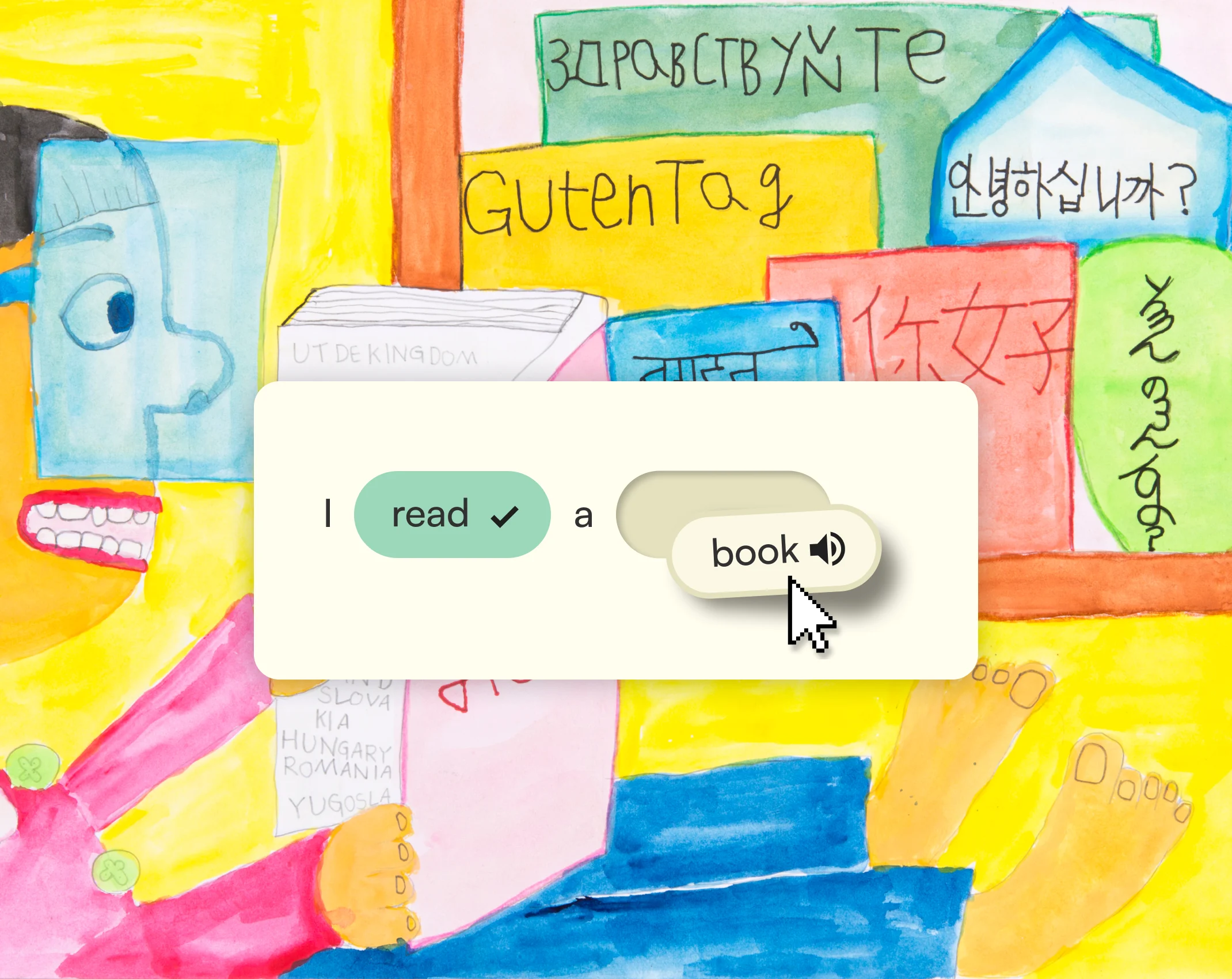

 Explore
 Explain
How does the brain learn new words?
When you learn new words, different parts of your brain work together to help you remember them. You might hear words while playing, see them in books, say them out loud, or write them down.
Each experience helps build connections in your brain. Over time, these connections can make words easier to remember and use.
Talk and listen
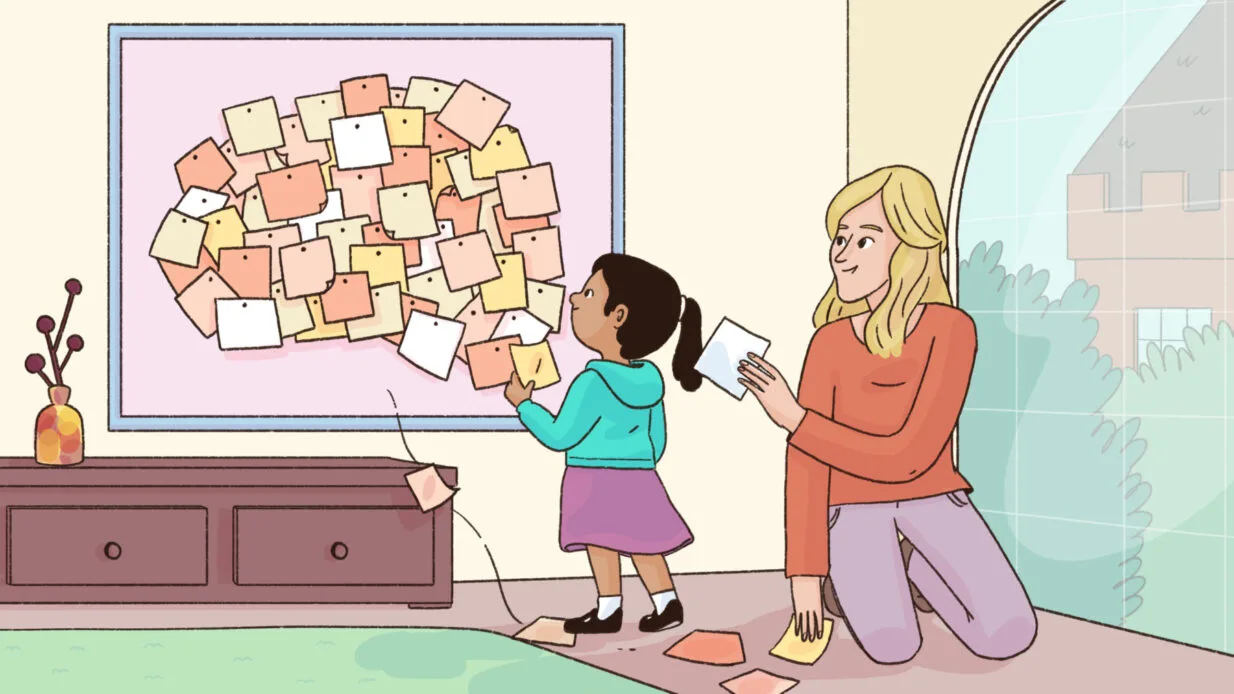
When you talk, play, and spend time with other people, you hear words used in real situations. Hearing and using words in everyday life can help you understand and remember them. You can even pick up new words without trying!
Try it: Build a word web with your friends. Choose a topic, like a sport, and take turns saying as many related words as you can.

Learn words with your senses
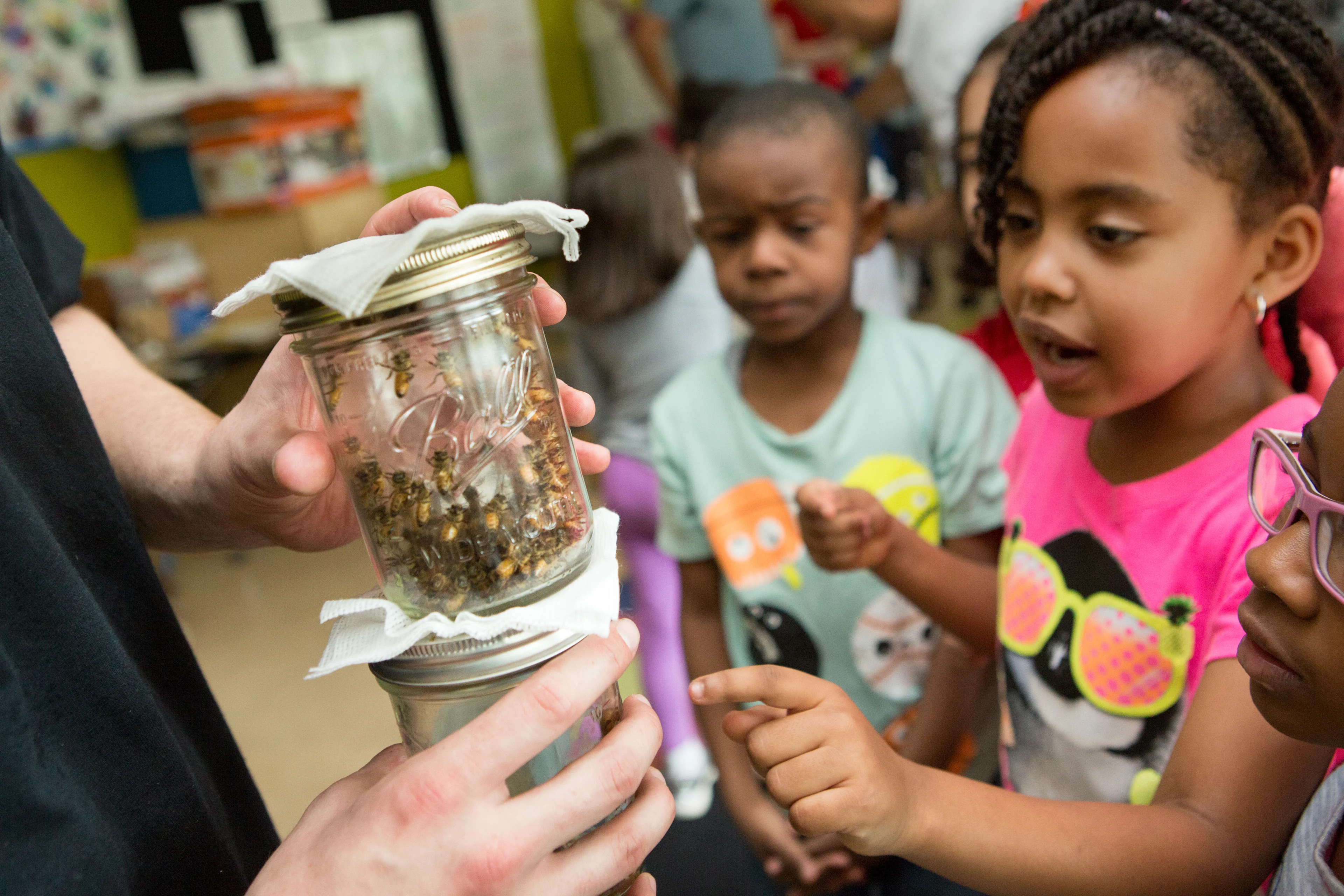
If your teacher, parent, or friend shows you something new, tells you its name, and explains what it does, your brain connects the word with what you can see, hear, smell, and touch. The more ways you experience a word, the easier it can be to remember.
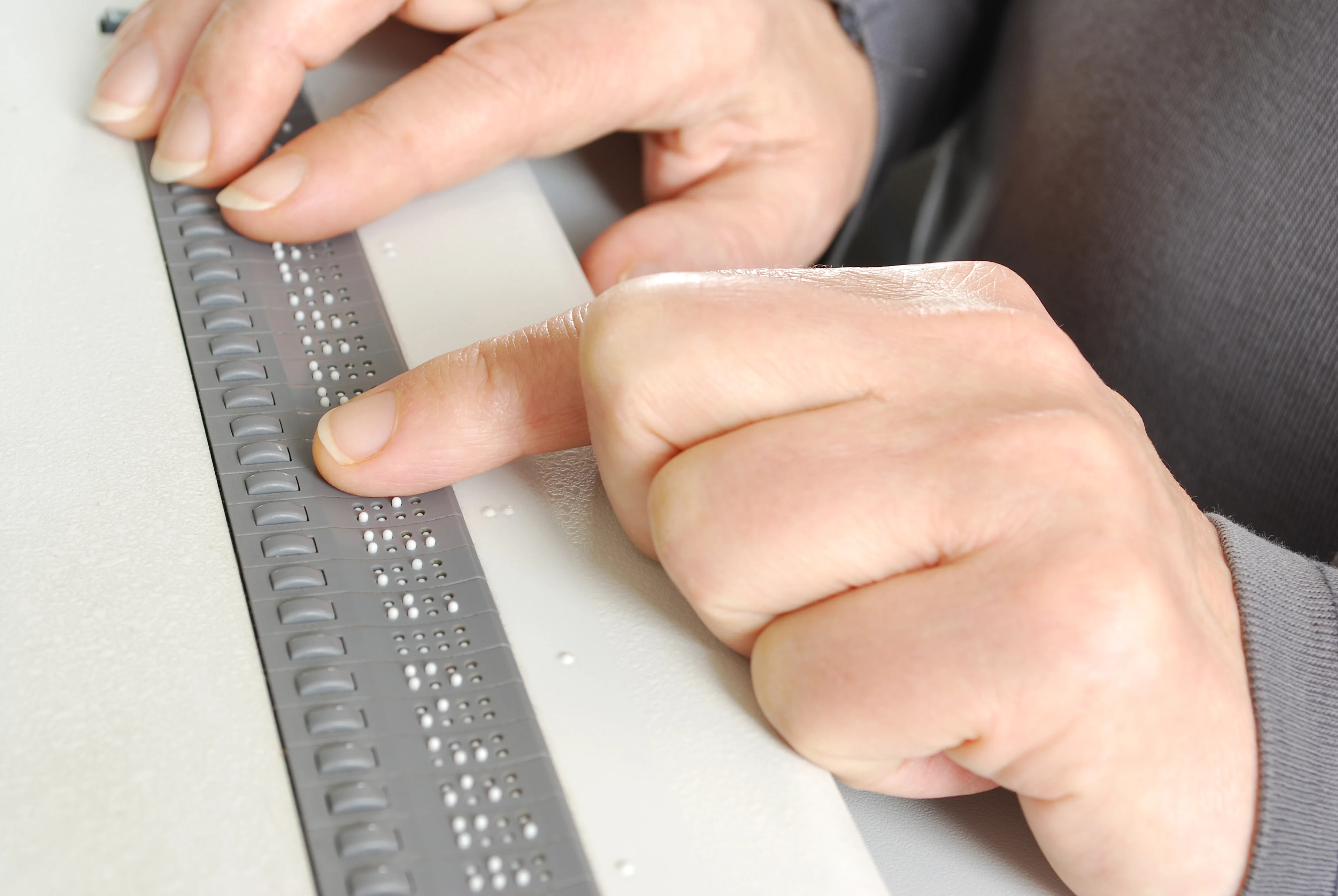
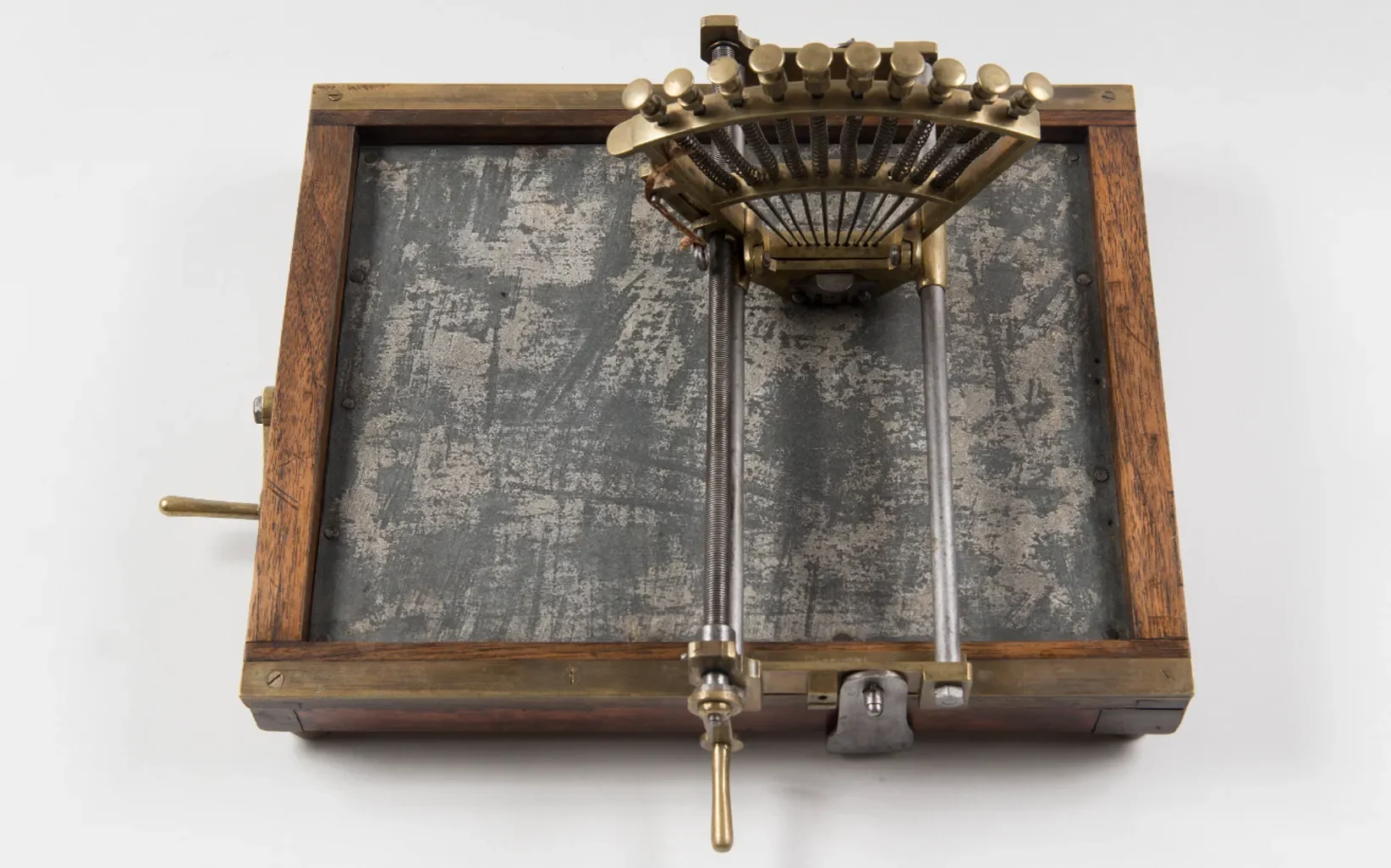
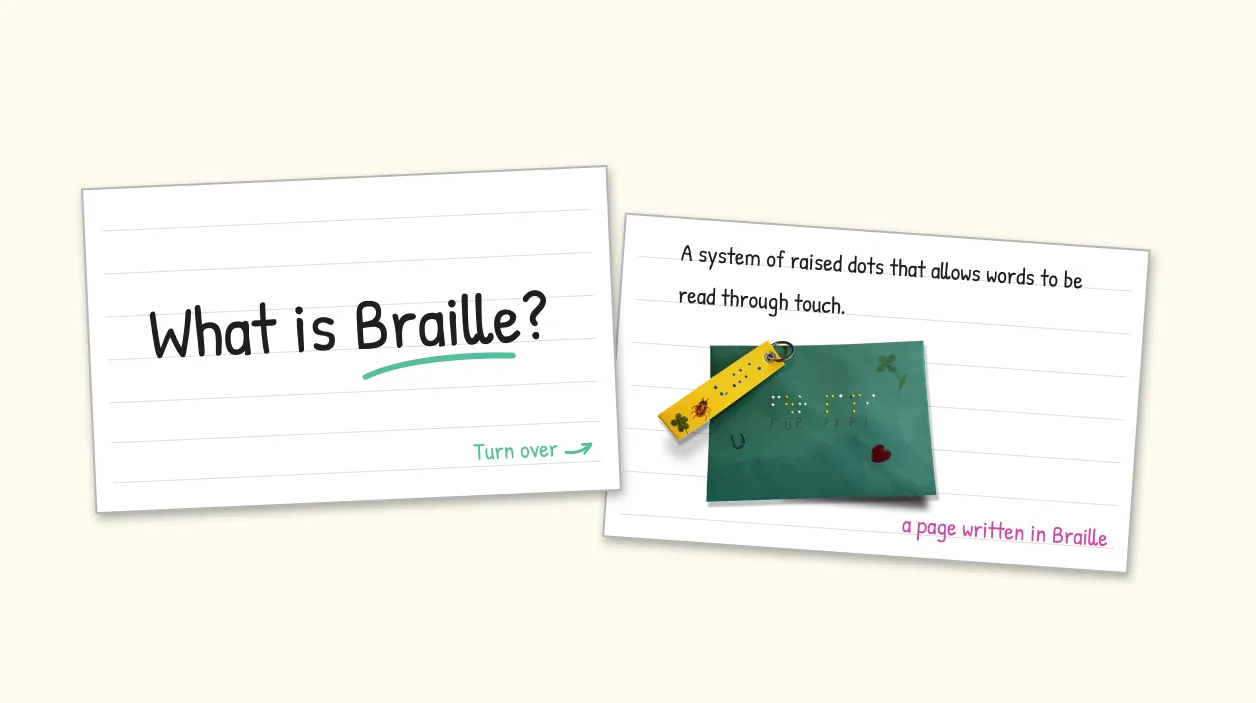
There’s more than one way to learn a word. Braille is one of them: raised dots arranged in patterns stand for letters and numbers, so words can be read by touch. Many blind people read Braille by moving their fingertips over the raised dots, just as sighted people read words with their eyes.
Can reading help you learn new words?
When you see a new word in a story, your brain connects it with the pictures, actions, and ideas around it. When you see the word again, these connections can help you remember and understand it more easily.
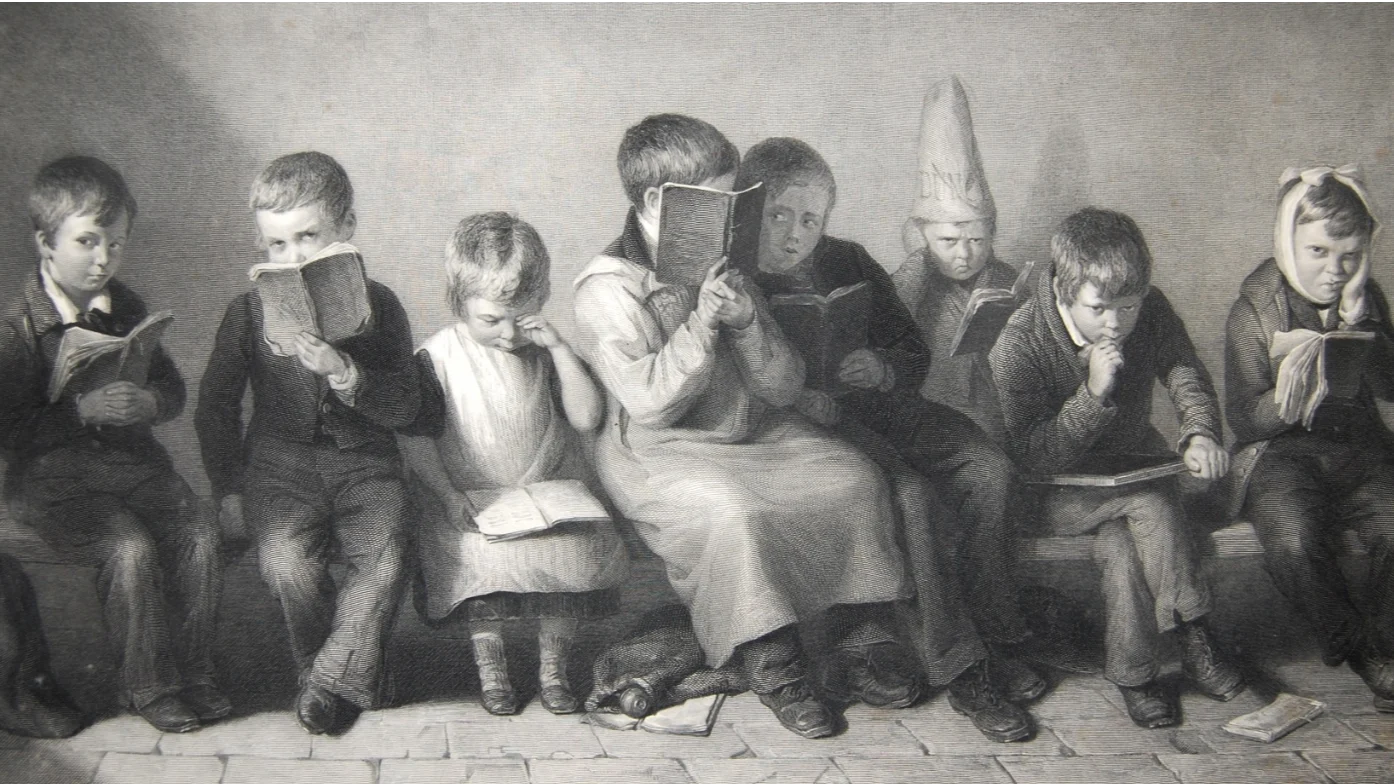
Look closely at the picture below. What do you think is happening? How do the children feel? Pick one child and think of three words to describe how they look, how they feel, or what they are doing.
Tune your ears to speech sounds
When you read a new word, you use sight or touch, but what happens when you hear a new word? Paying attention to speech sounds can help you learn new words and become a stronger speaker and reader.
Your brain, tongue, lips, and voice work together to make speech sounds. Say a word slowly and notice how your mouth moves. Which sounds use your lips? Which use your tongue?
Reading vowels aloud
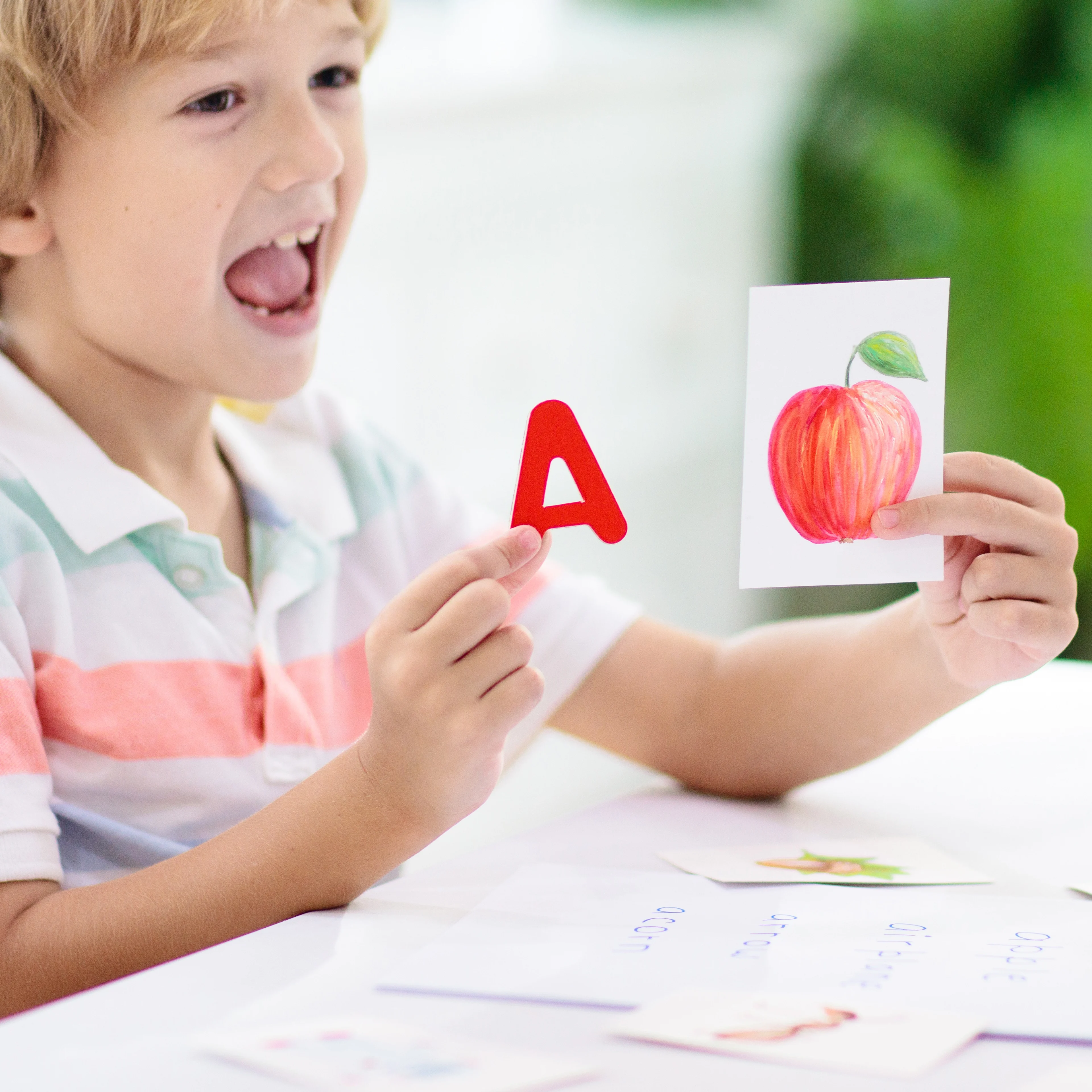
Every word has at least one vowel sound, made as air flows freely through your mouth. In English, we write these sounds with A, E, I, O, U, and sometimes Y. One letter can stand for more than one sound, like the short a in apple and the long a in acorn. Reading aloud helps your brain connect the letters you see with the sounds you say and hear.

Break words into syllables
Breaking words into syllables can make long words easier to read, say, and spell. For example, elephant can be broken into el-e-phant. Try it: Say a word and clap each syllable. This can help you hear its different parts, making new words easier to spell and remember.

Learn words with music
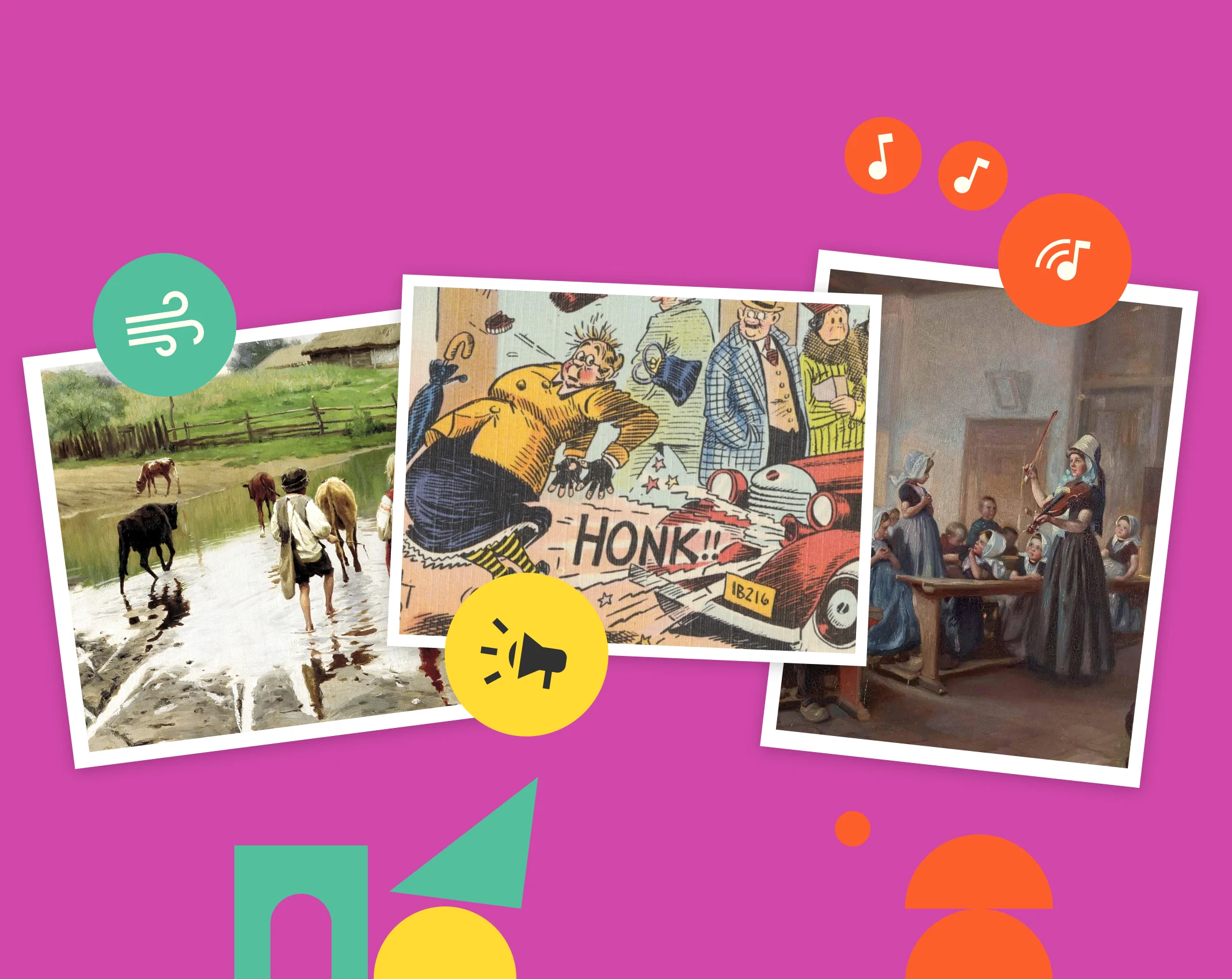
You can also learn new words through songs. Songs often repeat words and phrases, giving you many chances to hear them. Melody, rhythm, and repetition can make language easier to remember. Have you ever had a song stuck in your head?
Did
you
know
?
Your word network never stops growing
You build your vocabulary little by little through reading, conversations, and everyday experiences. At around age 2, you may have known about 300 words. By the time you finish school, you may know more than 40,000! And learning doesn’t stop there—the network of words you know can keep growing throughout your life. In fact, researchers have found that vocabulary is one aspect of language that adults can learn just as effectively as children.
Powered by

Unlock the meaning of new words
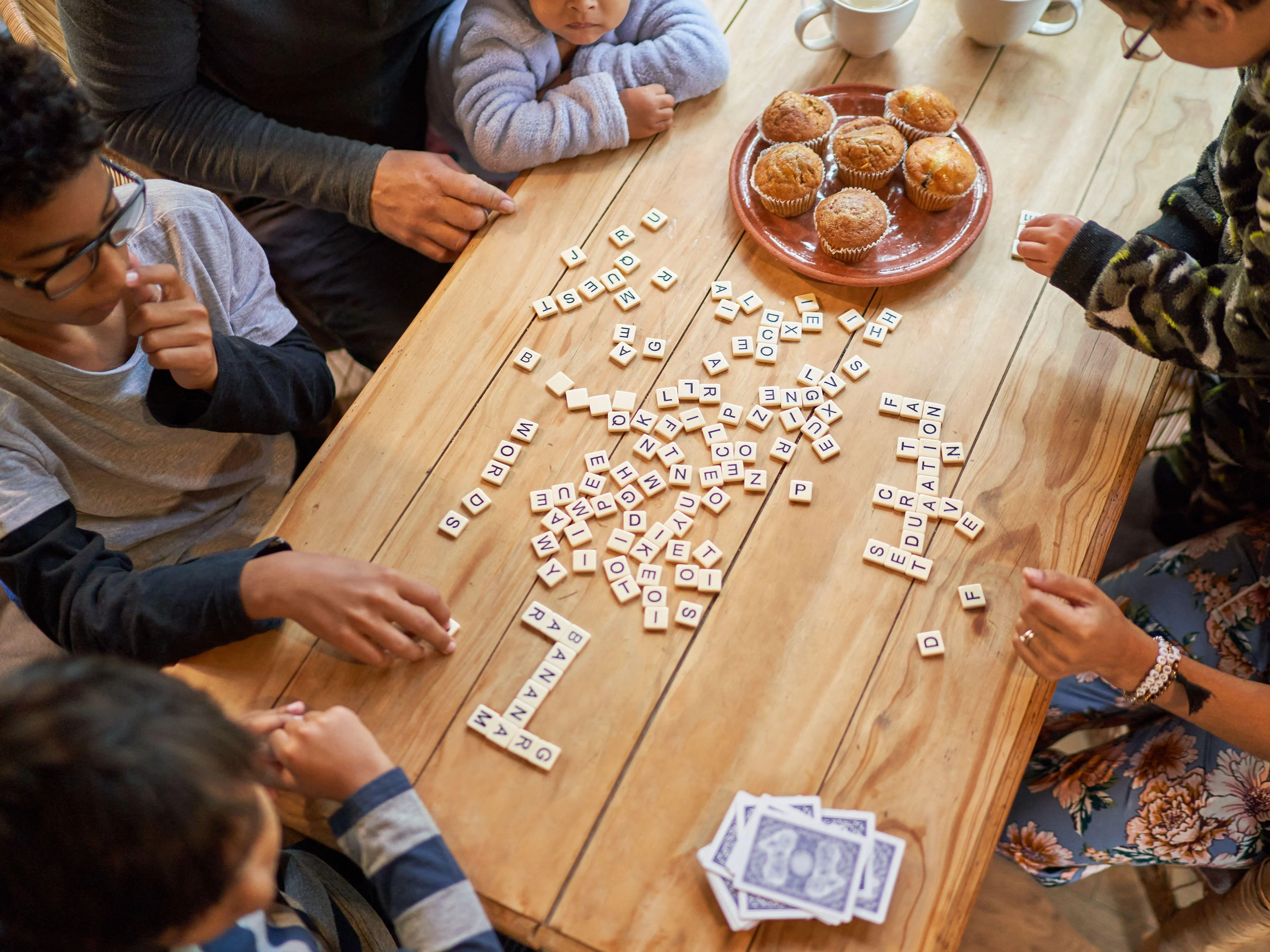
When you learn a new word, finding its meaning can feel like cracking a code. You can break a long word into smaller parts or look for clues in the words around it.
As your vocabulary grows, so does your word network. Let’s explore how your brain connects ideas and uses clues to unlock the meaning of new words.
How to crack the code of tricky words
With a new word, look for smaller parts you already know. For example, if un- means not and helpful means helping out, you can work out that unhelpful means not helpful.
Alone, a new word can be hard to understand. But in a sentence or story, the words around it can help you work out its meaning.
Your brain loves word collections! New words connect with words you already know. If you learn freezing, your brain adds it to the cold collection. Grouping words by meaning can help you remember how to use them.
Words can have more than one meaning. How do you know which meaning is being used? You can tell by looking at the words around them in a sentence.
Learning words, across time and place
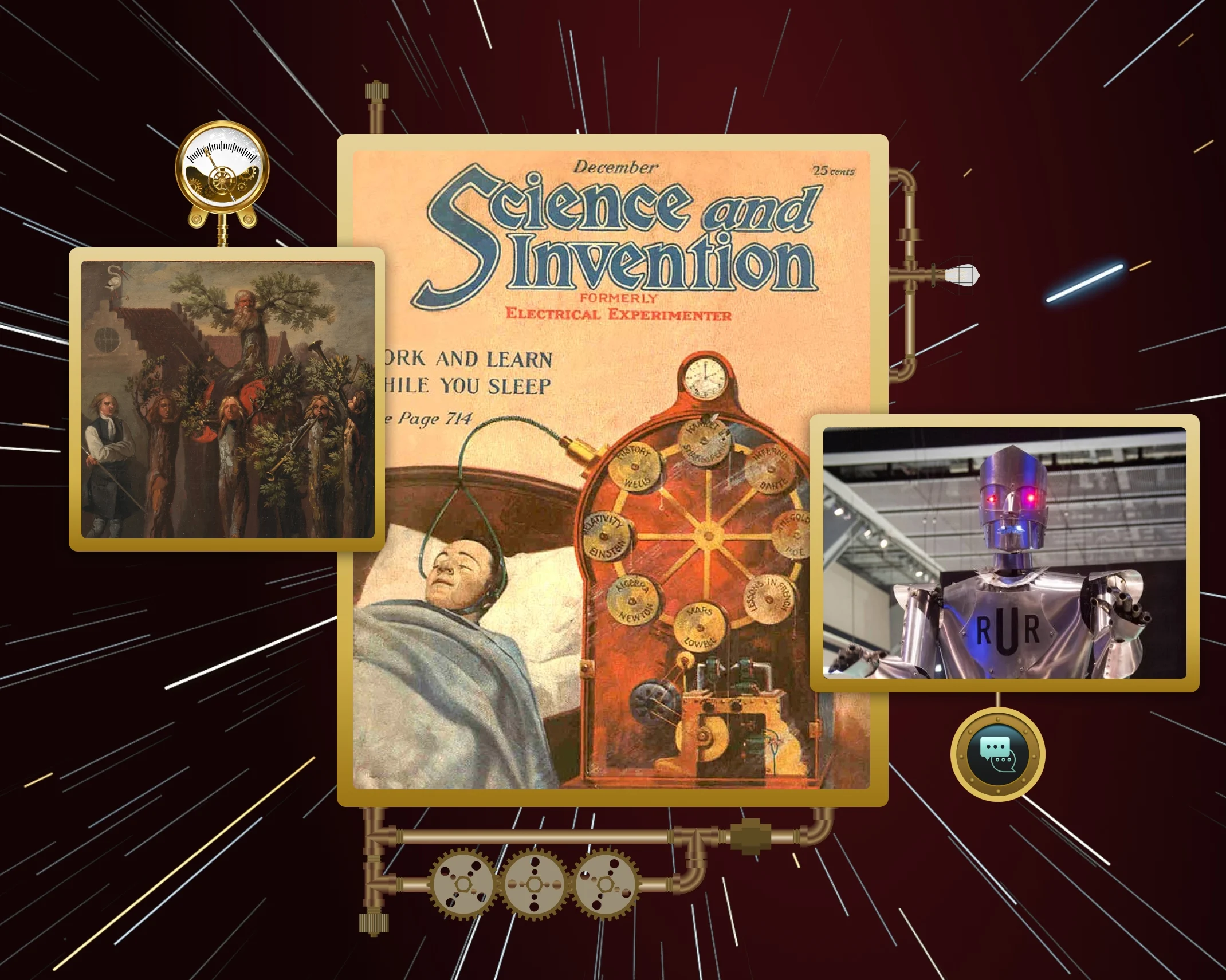
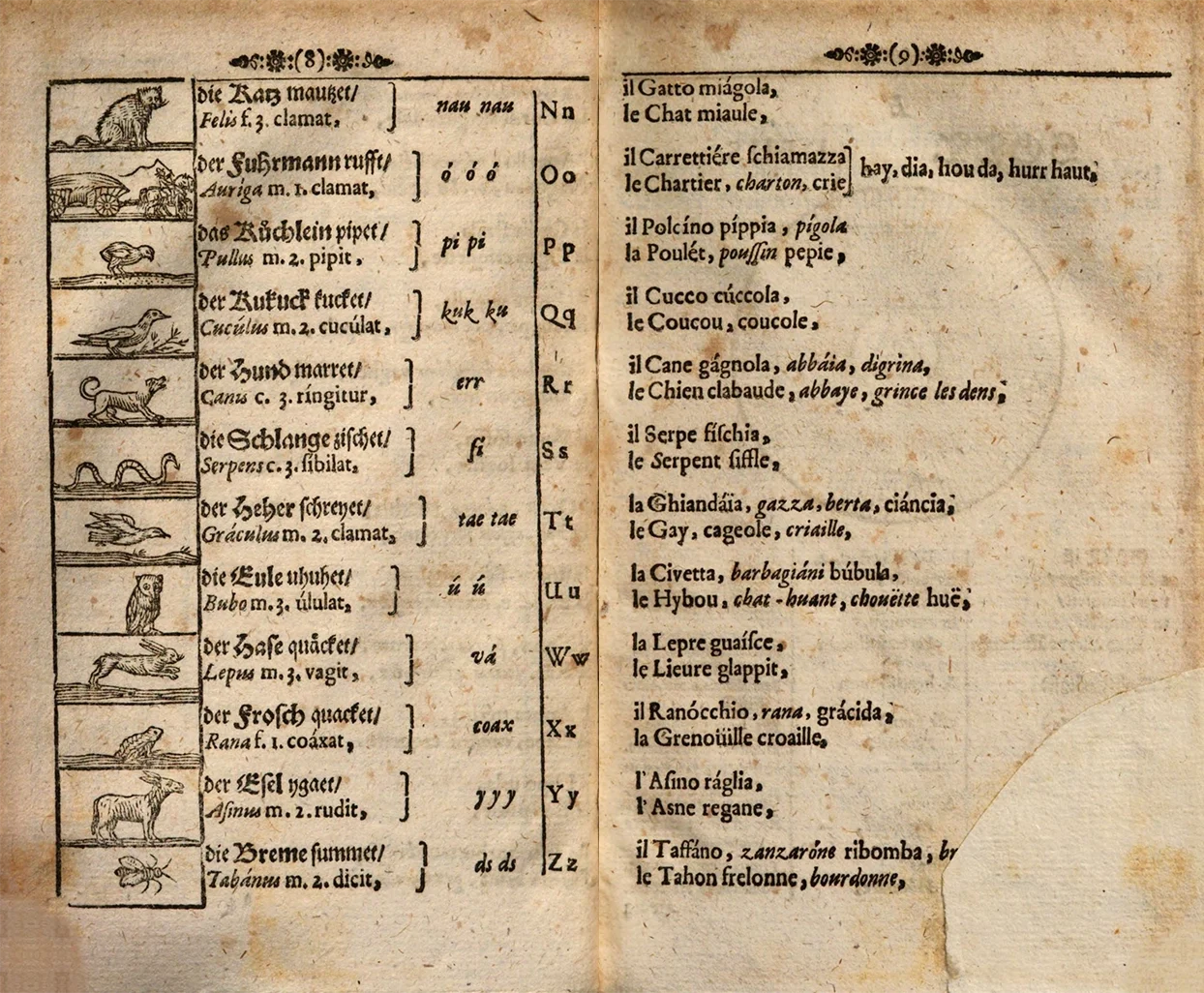
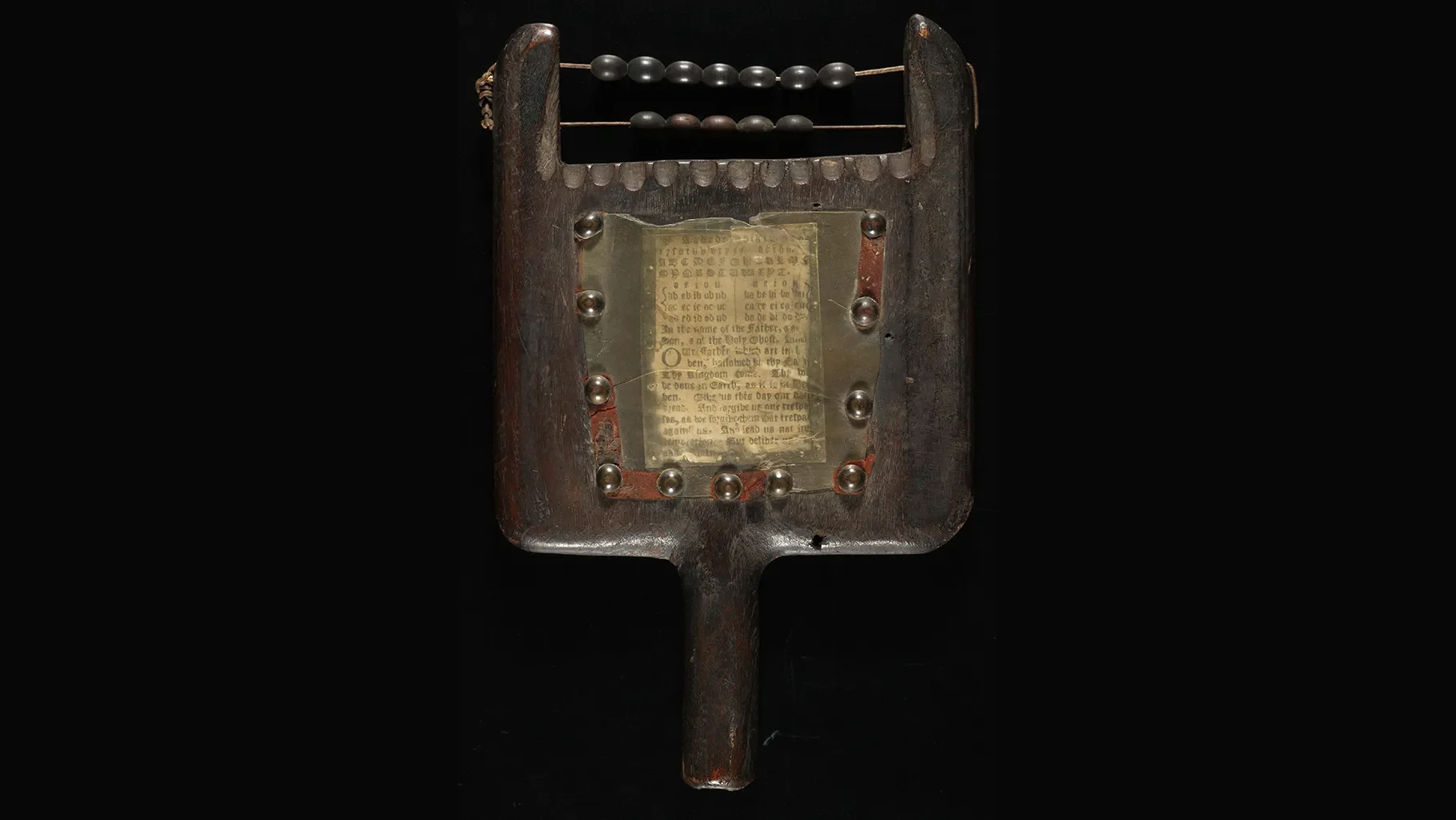
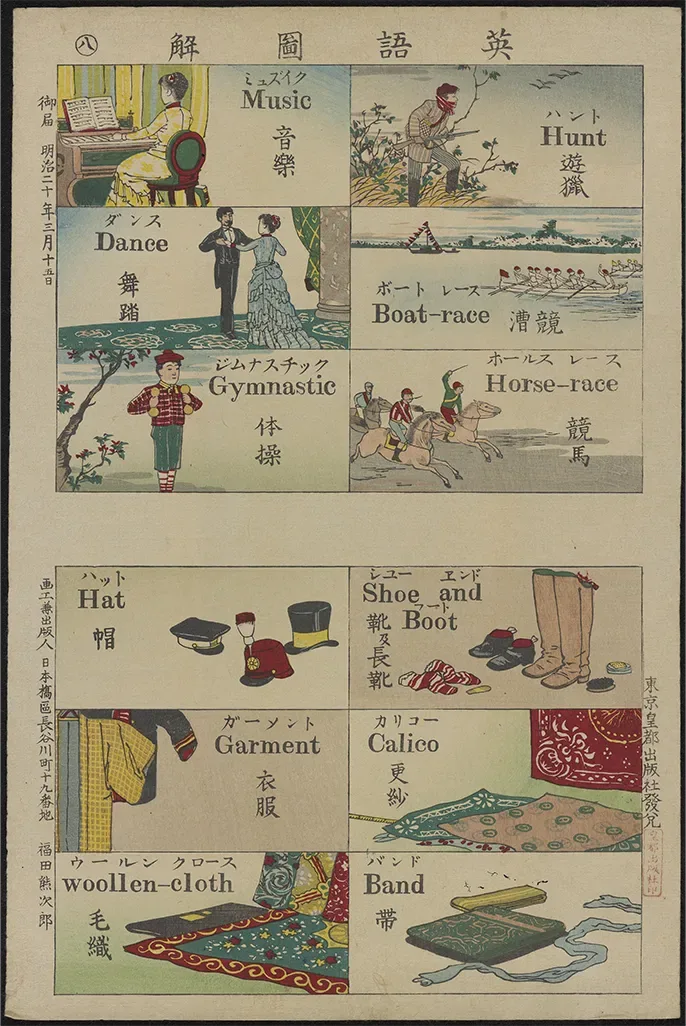
People have always made tools to help words stick. Look closely: across 360 years and four countries.
Learning words today

Books and comics
Books and comics can help you learn new words through stories, pictures, and context. You can stop, reread, and think about unfamiliar words. You can also talk about the words with a friend, parent, or teacher.
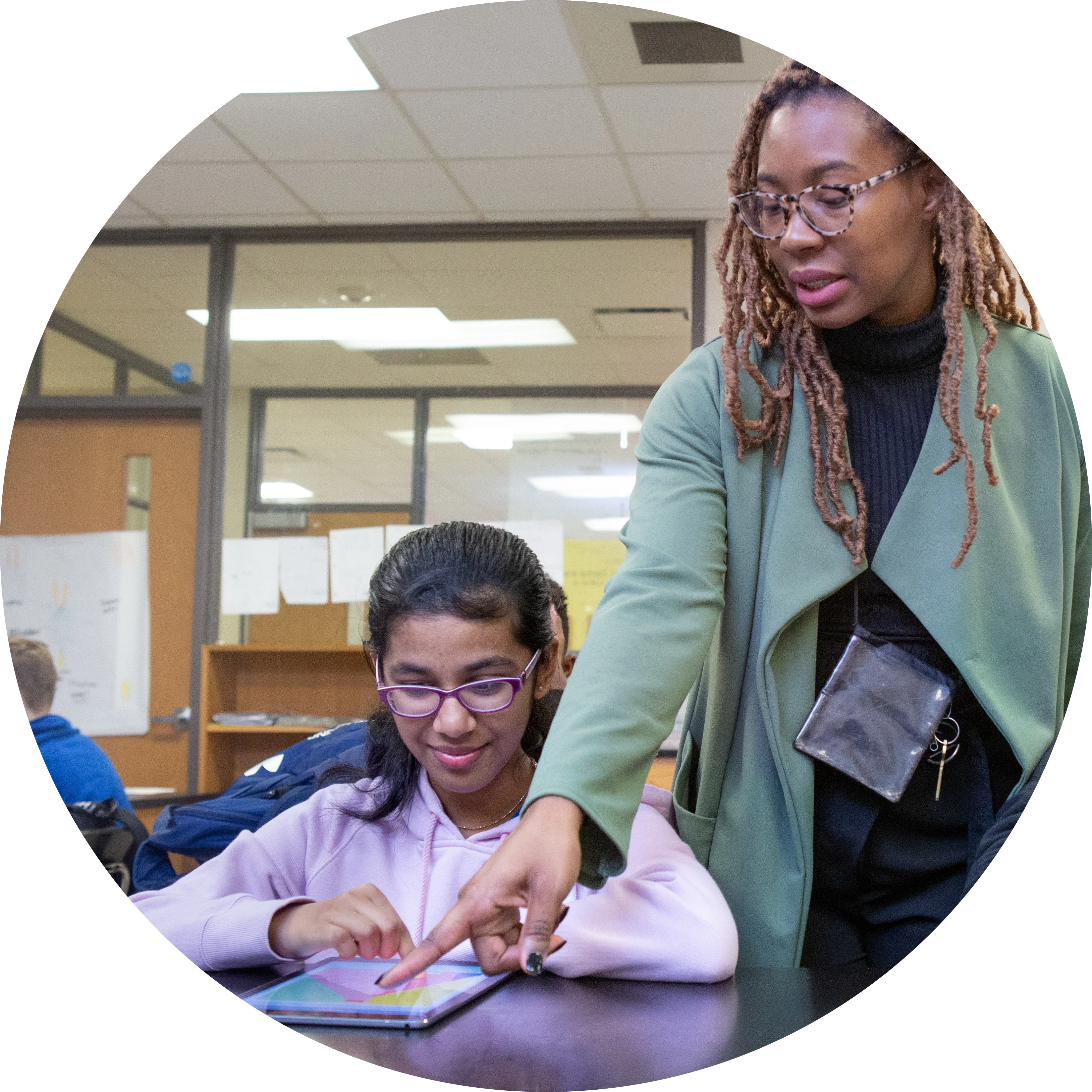
Interactive books
Interactive books can help you read, listen, and explore words in different ways. You might hear words read aloud, tap a word for more information, or connect words with pictures, sounds, and activities.
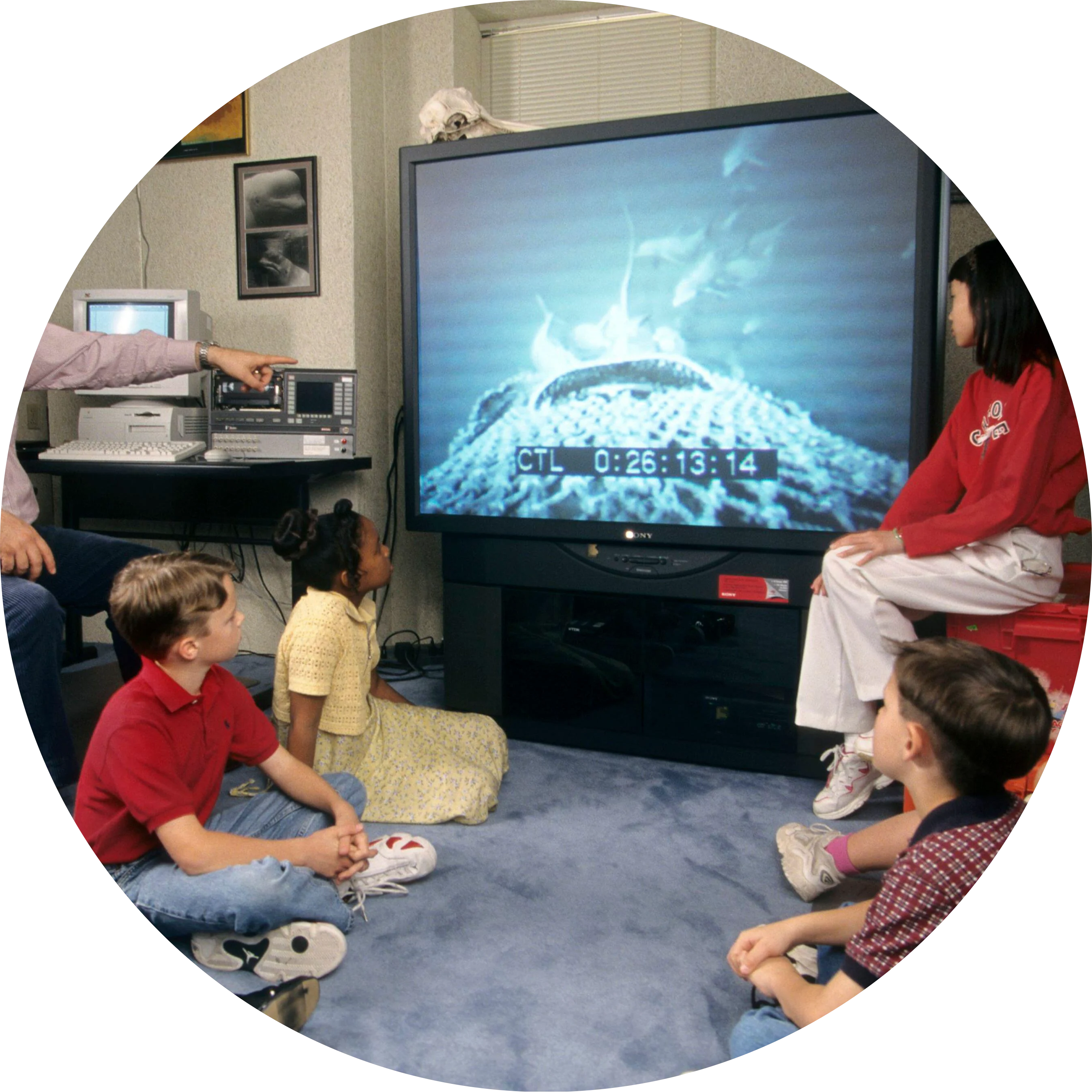
Video or TV
Videos and TV programs can introduce you to new words through stories, conversations, and real-life situations. If you don’t understand a word, it can help to pause, talk about it, or look it up afterward.
A book that fits every reader
Digital books can adapt to the way you read best. You can listen to stories, make letters bigger and bolder, adjust the spacing between words, and change colors to improve readability. This video shows how Canadian libraries are making books more accessible and helping more children discover the joy of reading and learning.
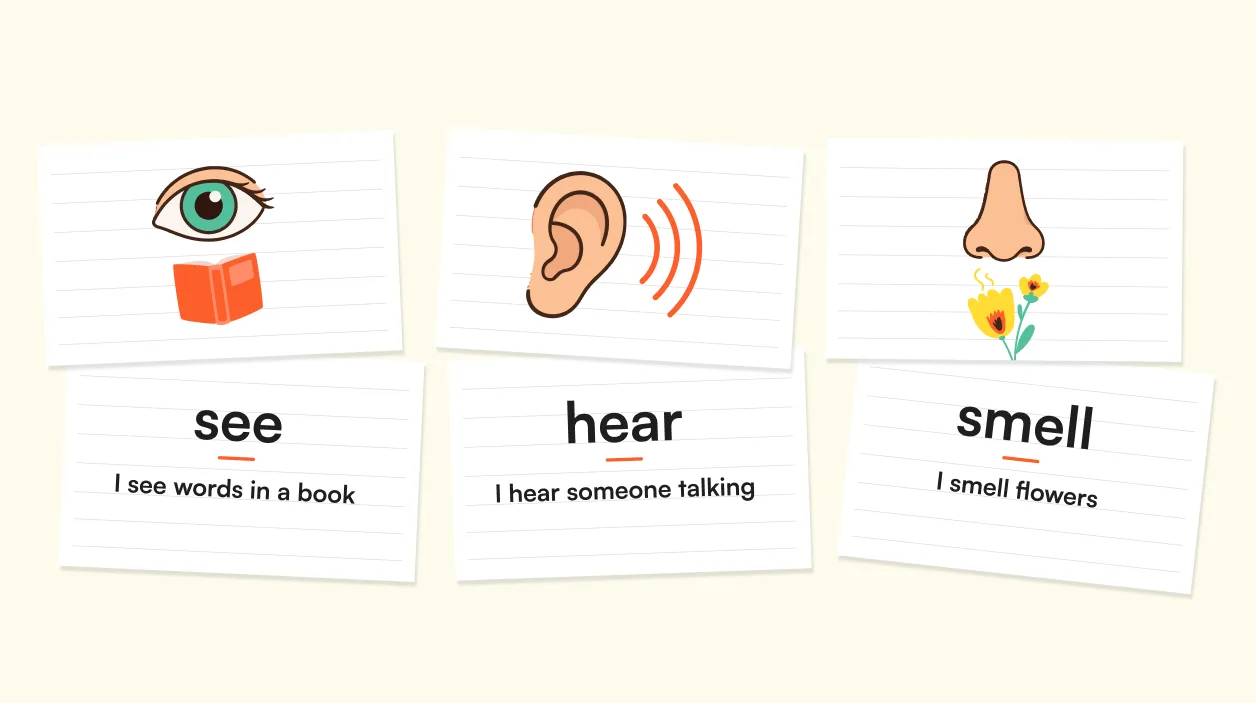
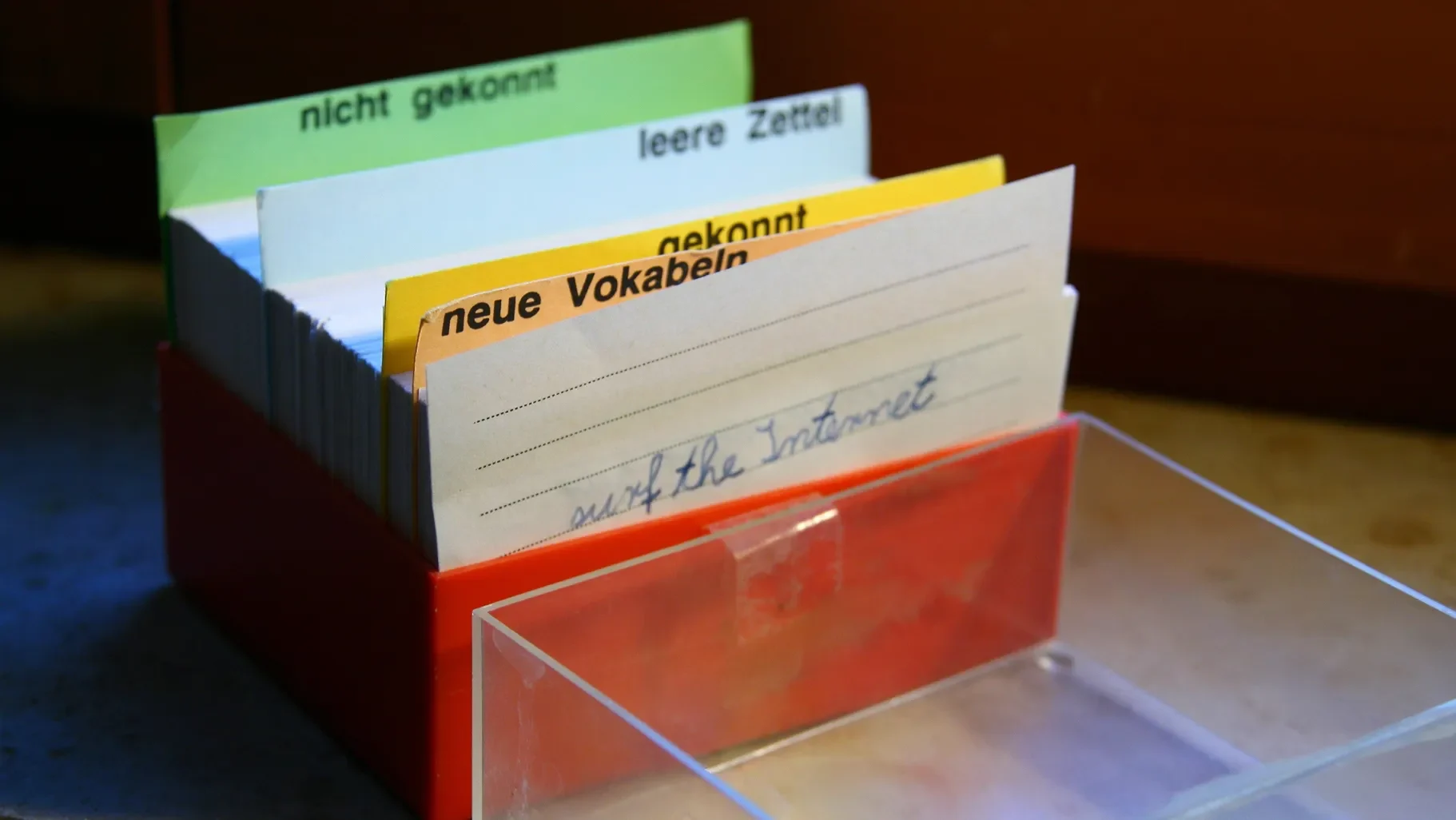
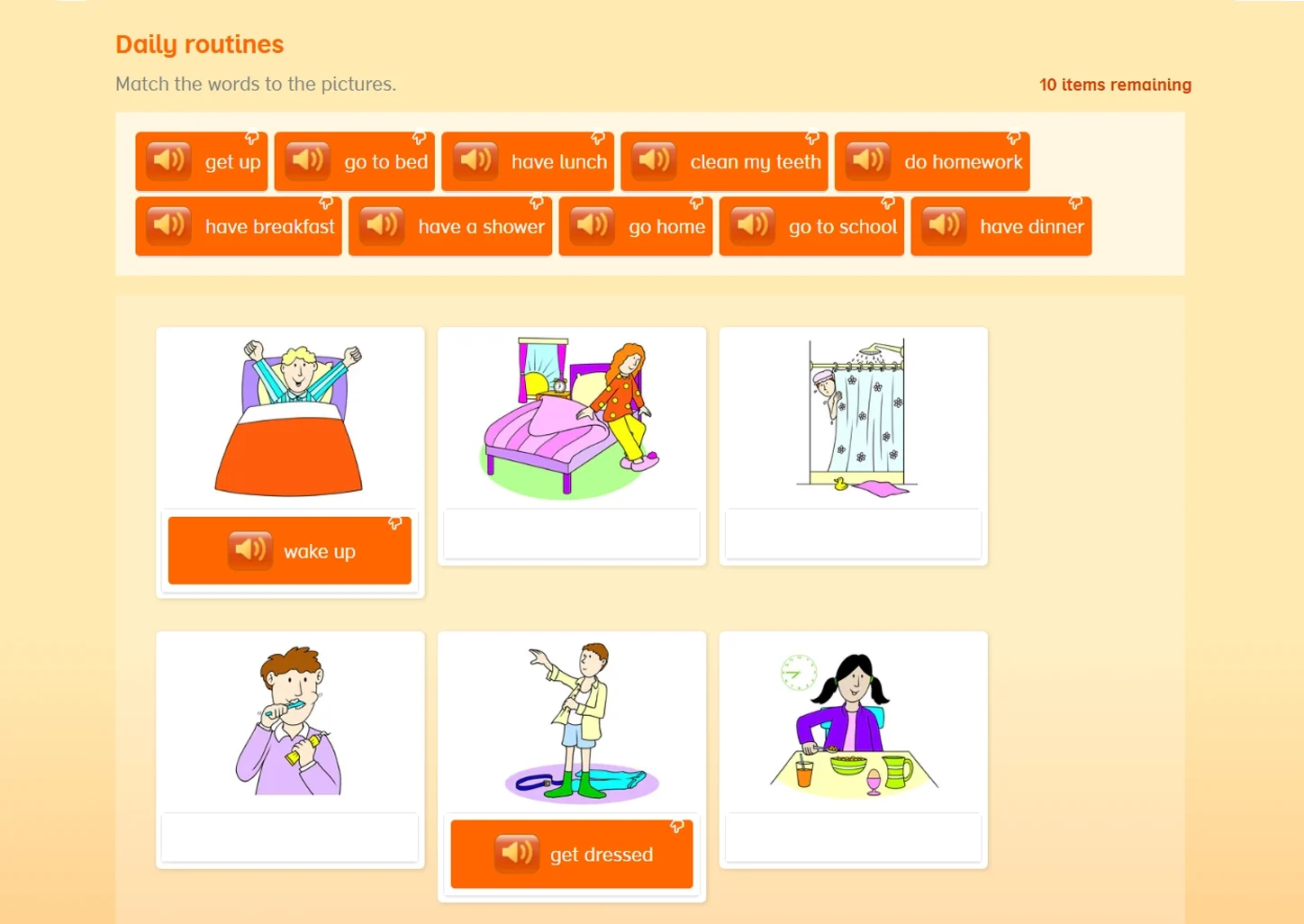
Using flashcards to memorize new words
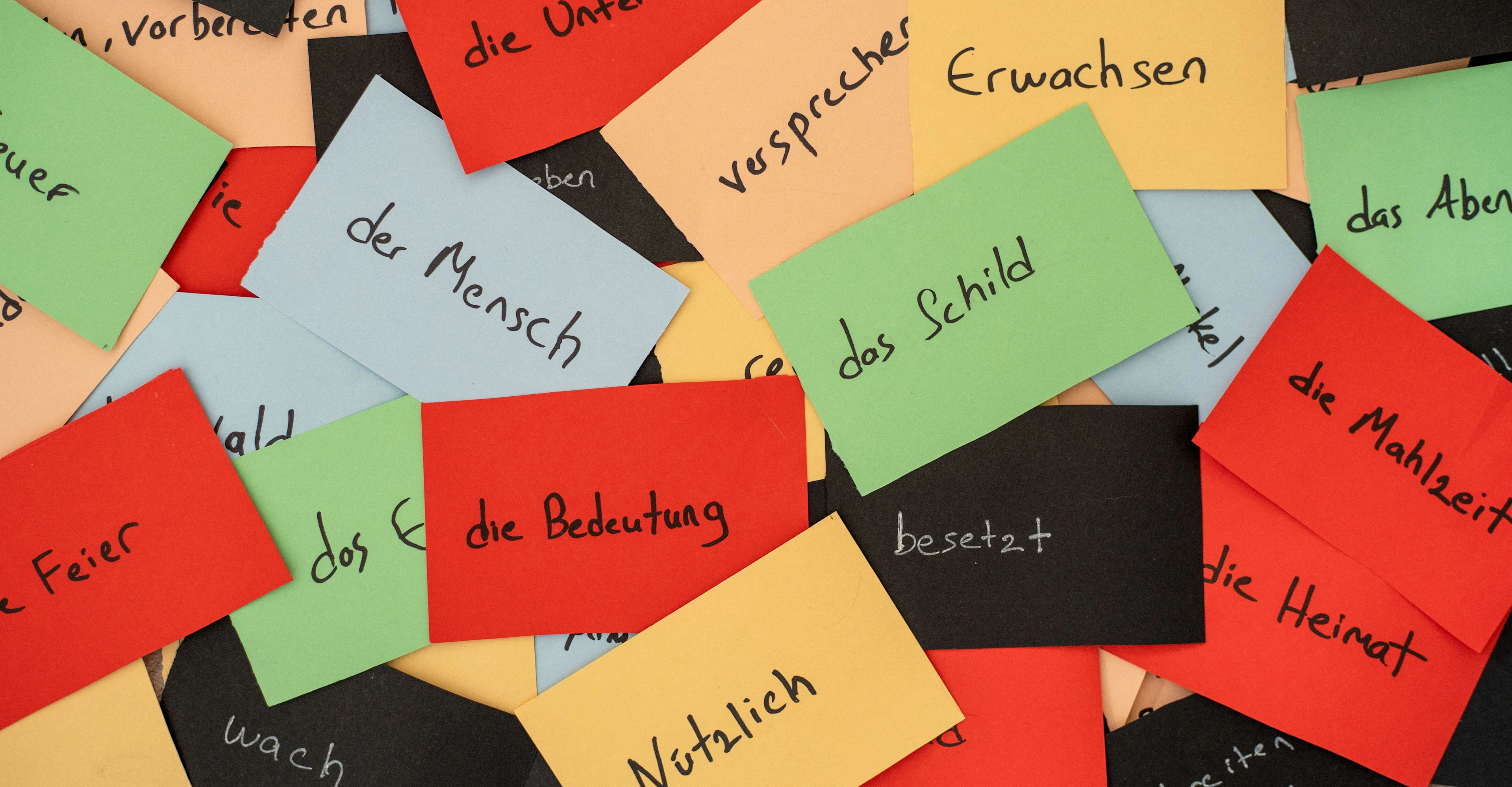
Flashcards are cards that can help you practice and remember new words. Each time you recall a word, your brain builds stronger connections to it, making it easier to remember next time. The more you practice and use new words, the easier they are to recall.
How writing can help you learn new words
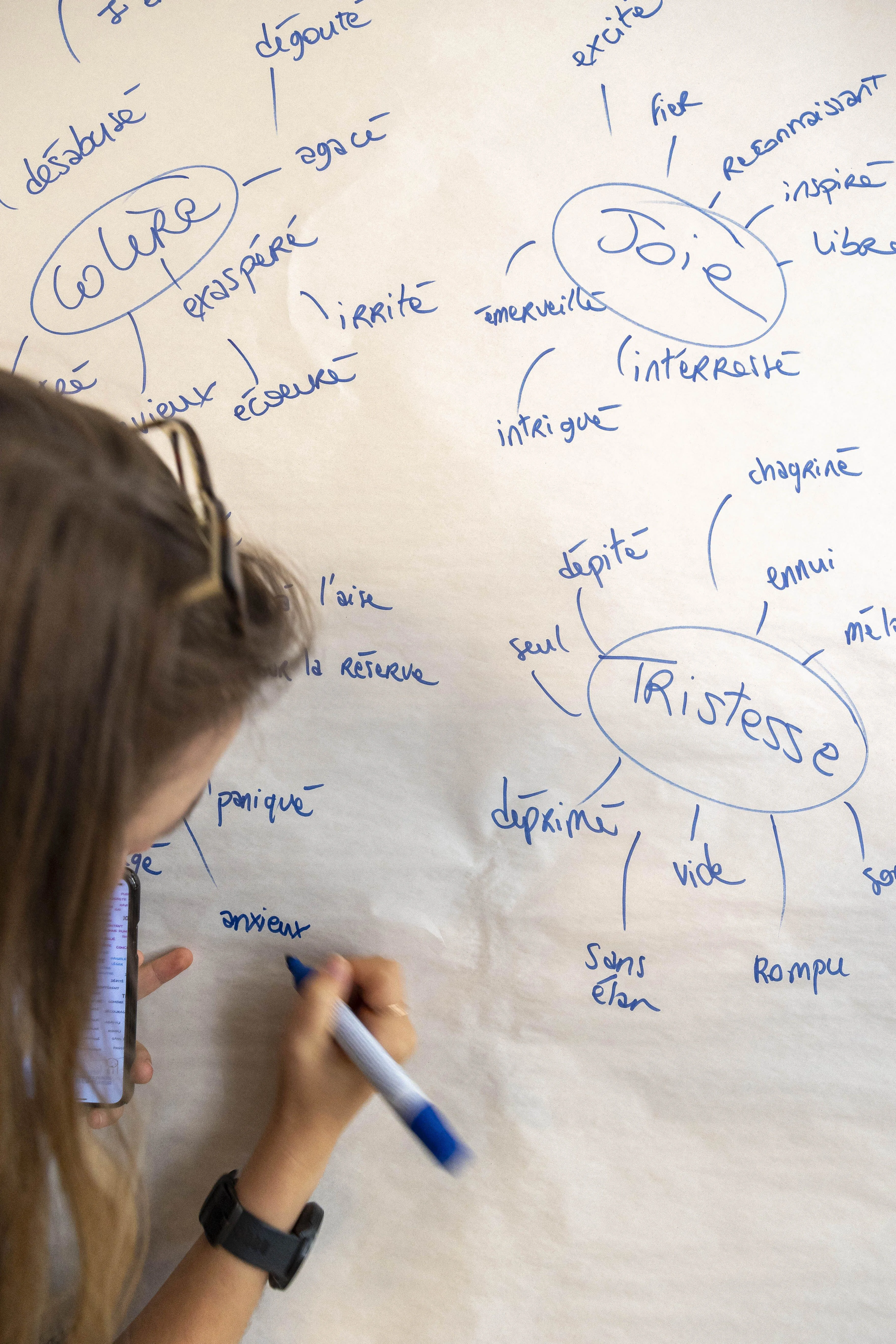
Make a word web
Write the new word in the middle of a page. Around it, add all the related words, ideas, pictures, or experiences you can think of. This helps your brain connect the new word with things you already know.
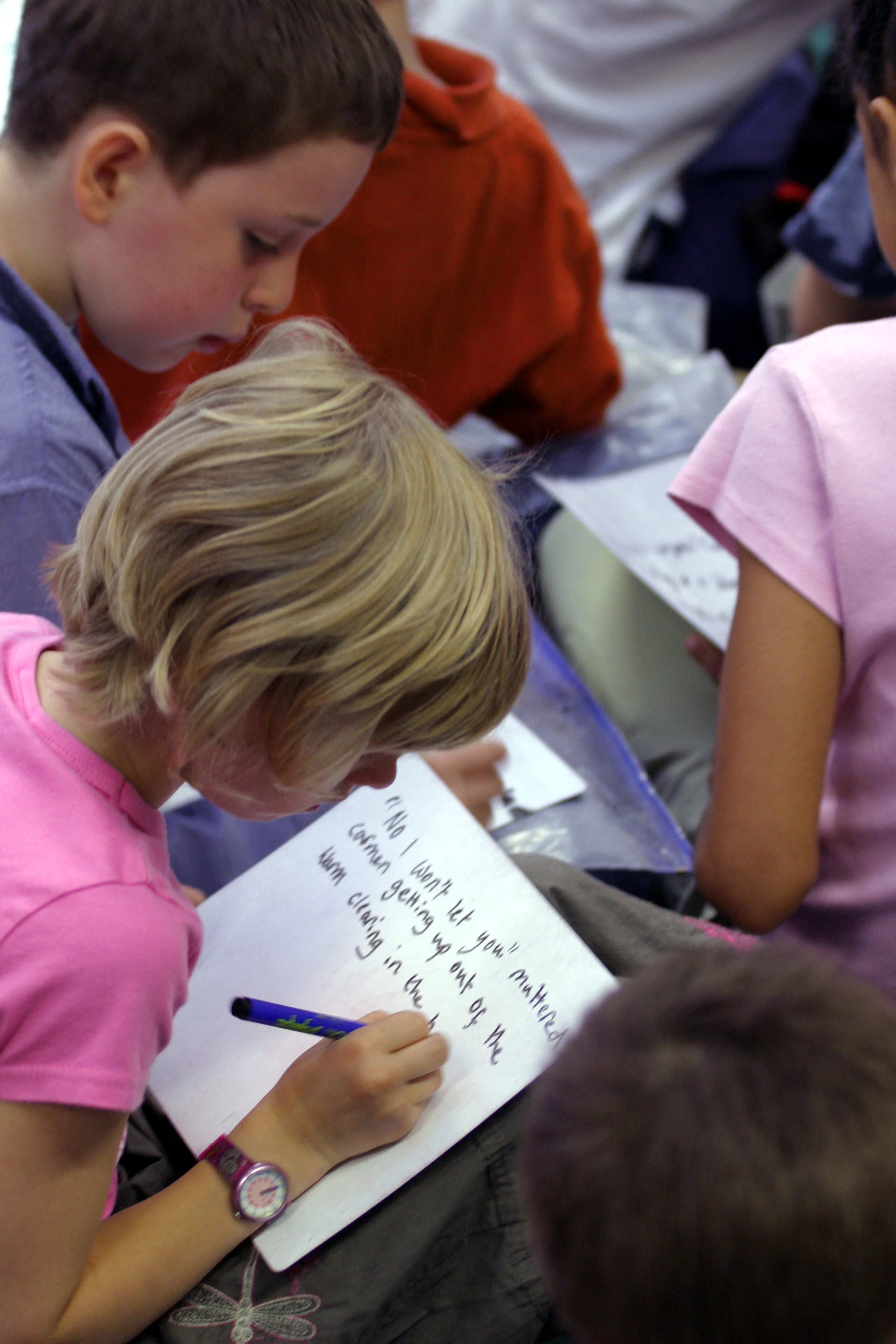
Write a story
Pick three new words and write a funny story. The more memorable the story, the easier it may be to remember the words later. As you write, you pay attention to the shapes and order of the letters. This gives your brain another way to learn the words.
Play a game
In a group, write a new word on a piece of paper, crumple it up, and put it in a container. Pick a story topic, then choose a word from the container and write a sentence using it. Put your sentences together to make a crazy story. Keep adding new words and sentences!
 Engage
Difficulty
Easy
Want to know more?
Learning Objectives
Based on Curriculum 21, German-speaking Switzerland, 2026.
English
Students are able to...
FS1E.2.A.1 for 9+
A1.1) understand individual expressions with the support of illustrations.
A1.2) understand simple short texts with the support of illustrations.
FS1E.2.A.2 for 9+
2b) engage with simple, illustrated short texts (e.g., comics, illustrated stories).
2c) use reading strategies with some support and discuss their usefulness (e.g., activating prior knowledge, identifying the topic, inferring the meaning of unfamiliar words, rereading, and using a variety of information sources).
FS1E.5.B.2 for 9+
2a) use vocabulary-learning strategies and techniques with guidance
2b) reflect on their experiences with vocabulary-learning strategies and techniques and, with guidance, determine which ones work best for them (e.g., flashcards, word webs, learning games, picture dictionaries, electronic dictionaries, apps).
2c) expand their productive vocabulary by building on their existing vocabulary through listening texts, reading texts, and conversations.
Learning with digital interactive books
Students are able to...
name features of interactive books that support vocabulary learning by helping learners read, hear, see, use, and write words in different contexts.
About the author

This story has been written by Alison Spence Montillet
Alison is an English language educator based in Switzerland, teaching children aged 6–12. Alison specializes in engaging, interactive classroom approaches, including Content and Language Integrated Learning (CLIL). With a background in museums, she is particularly interested in integrating museum collections into language learning.
"I use the Digital Museum of Learning to support my language‑based teaching. Its stories and resources help me enhance course book material and extend vocabulary. My students love the interactive elements, the certificates, and learning about the lives of children in the past."
The story concept was developed in consultation with Professor Natalia Ingebretsen Kucirkova and the final story was independently reviewed by Dr Rachel Romeo.
Bibliography
Learning with conversation and play
Brookman-Byrne, A. (2025, May 29). The developmental scientist exploring what helps children learn language (Interview with Sho Tsuji). BOLD Science. https://boldscience.org/the-developmental-scientist-exploring-what-helps-children-learn-language/
Kim, M. (2018, August 27). Why do children learn the words they do? BOLD Science. https://boldscience.org/why-do-children-learn-the-words-they-do/
Schnellmann, A. (2019, May 22). Learning new words through play. BOLD Science. https://boldscience.org/learning-new-words-through-play/
Urbaite, G. (2025). Learning languages through music and songs: Cognitive, pedagogical, and affective dimensions. Porta Universorum, 1(4), 45–53. https://doi.org/10.69760/portuni.0104004
Learning words with reading
Brookman-Byrne, A. (2023, May 18). Do children need phonics to read English? BOLD Science. https://boldscience.org/do-children-need-phonics-to-read-english/
Brookman-Byrne, A. (2023, October 26). The literacy researcher exploring the hidden senses involved in children’s reading (Interview with Natalia Kucirkova). BOLD Science. https://boldscience.org/the-literacy-researcher-exploring-the-hidden-senses-involved-in-childrens-reading/
Hogenboom, M. (2023, February 6). How the brain changes as children learn to read. BOLD Science. https://boldscience.org/how-the-brain-changes-as-children-learn-to-read/
Kucirkova, N. (2018). How and why to read and create children’s digital books: A guide for primary practitioners. UCL Press. https://doi.org/10.14324/111.9781787353473
Locklear, M. (2016, November 25). E-books versus print: Is one better than the other? BOLD Science. https://boldscience.org/e-books-versus-print-is-one-better-than-the-other/
Learning words with writing
Hu, C. (2024, February 21). Why writing by hand is better for memory and learning. Scientific American. https://www.scientificamerican.com/article/why-writing-by-hand-is-better-for-memory-and-learning/
Learning words across time and place
Bailey, M. L. (2013). Hornbooks. The Journal of the History of Childhood and Youth, 6(1), 3–14. https://doi.org/10.1353/hcy.2013.0000
McGowan, T. M. (2020). Of madness, murder, and measles: The Meiji period (1868–1912). Cotsen Children’s Library Blog, Princeton University Library. https://blogs.princeton.edu/cotsen/2020/01/meiji-pictorial-dictionaries/
McNamara, C. (2014, May 14). In the image of God: John Comenius and the first children’s picture book. The Public Domain Review. https://publicdomainreview.org/essay/in-the-image-of-god-john-comenius-and-the-first-children-s-picture-book/
Weygand, Z. (2009). The blind in French society from the Middle Ages to the century of Louis Braille (E.-J. Cohen, Trans.). Stanford University Press. https://doi.org/10.11126/stanford/9780804757683.001.0001
Copyright and Licenses
Sounds in the game
Generated with Fliki.ai (free version).
Images used in the quizzes
A child explores a book with all their senses, illustration by Claudia Flandoli for BOLD, Copyright
Close up view of a girl wearing sportswear holding a tennis racket, RDNE Stock project, Pexels, free to use
Happy little boy in safety helmet, Addictive Stock, iStockphoto, Copyright
Man wearing face mask, Nothing Ahead, Pexels, Free to use
Lady adjust sun visor while driving car on highway road, pairhandmade, Adobe Stock, Copyright
Writing pupil wearing orange-polo at school desk, holding red pencil showing white doodles on paper, Wavebreakmedia Ltd IFE-260427, Alamy, Copyright