

How do you feel about learning with AI?

 How do you feel about learning with AI?How do you feel about learning with AI?
 Explore
 Explain
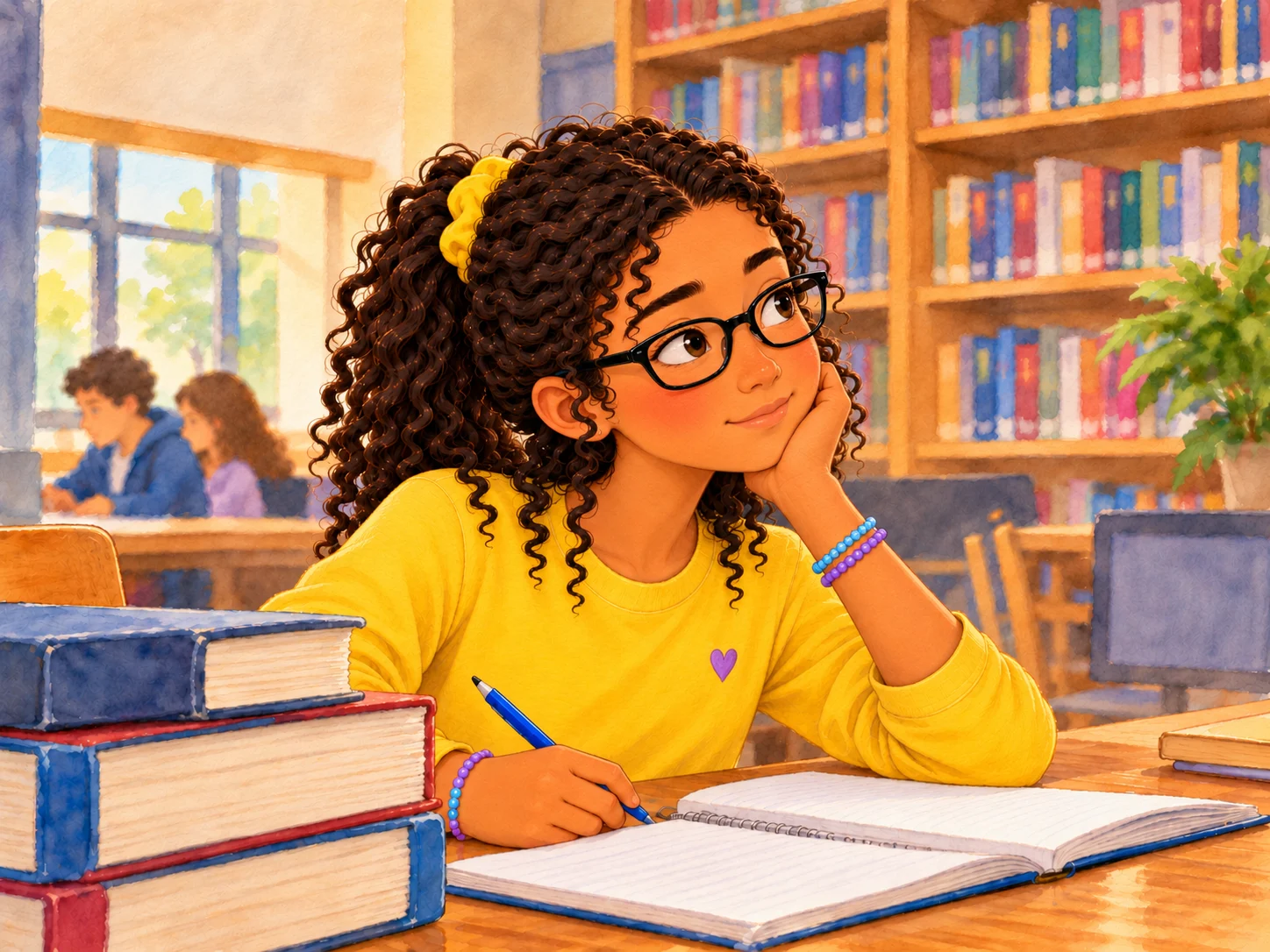
Zara is running out of time...
Zara's teacher has asked the class to research how technology has changed the way people learn. Zara is working on printing, the invention that made it possible to make many copies of books and documents quickly.
The deadline for the project is soon, and Zara is behind. She decides to try using a chatbot because it's fast and can explain things if she needs help.

A quick solution
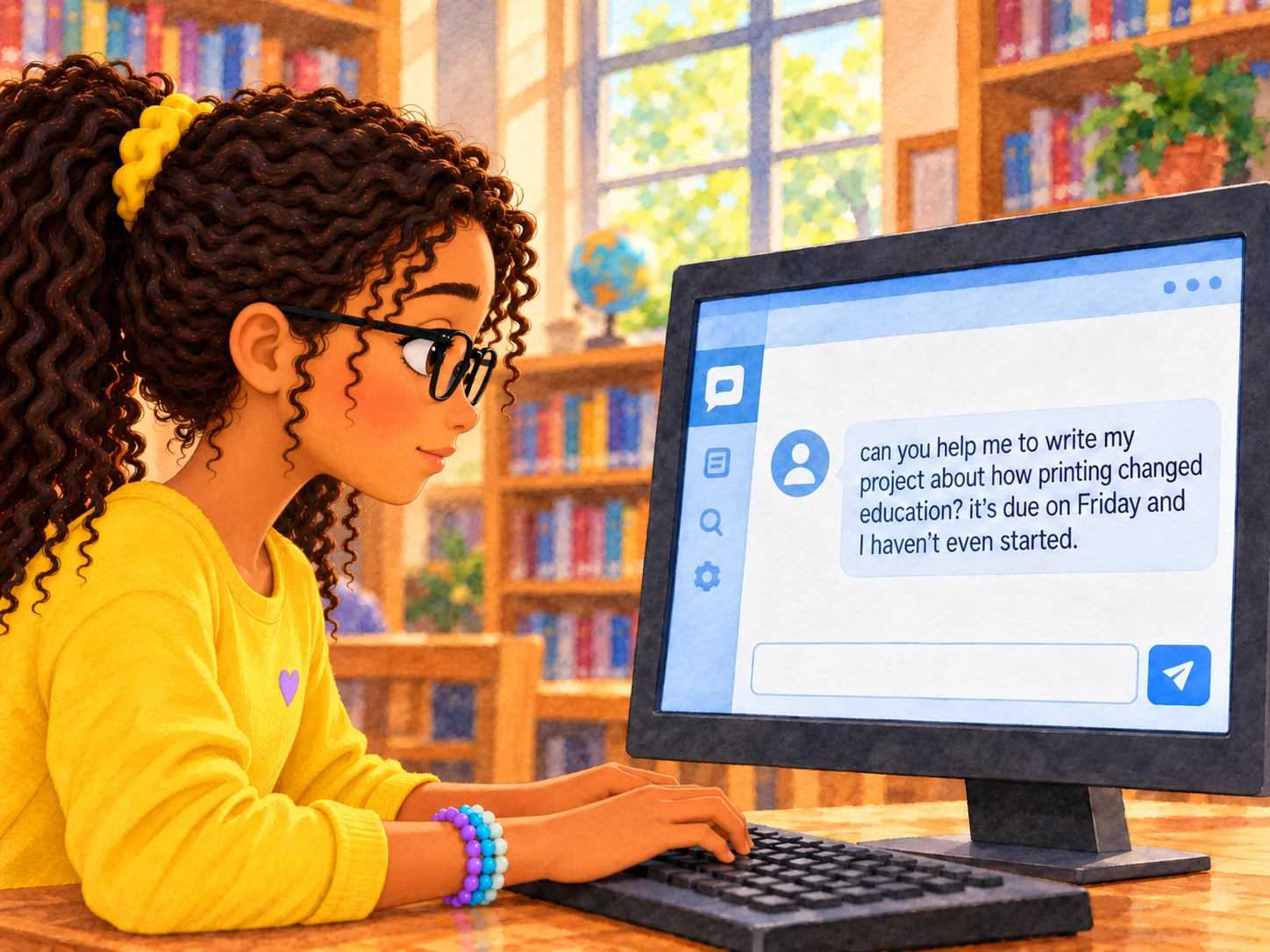
Zara asks: "Can you help me to write my project on printing and education?"
The chatbot replies: "Of course! Printing made books available to ordinary people for the first time. Before printing, books were rare and expensive. Mass printing changed education by making knowledge accessible to everyone.”
Zara is impressed. The chatbot was clear and confident.
How does it do that?
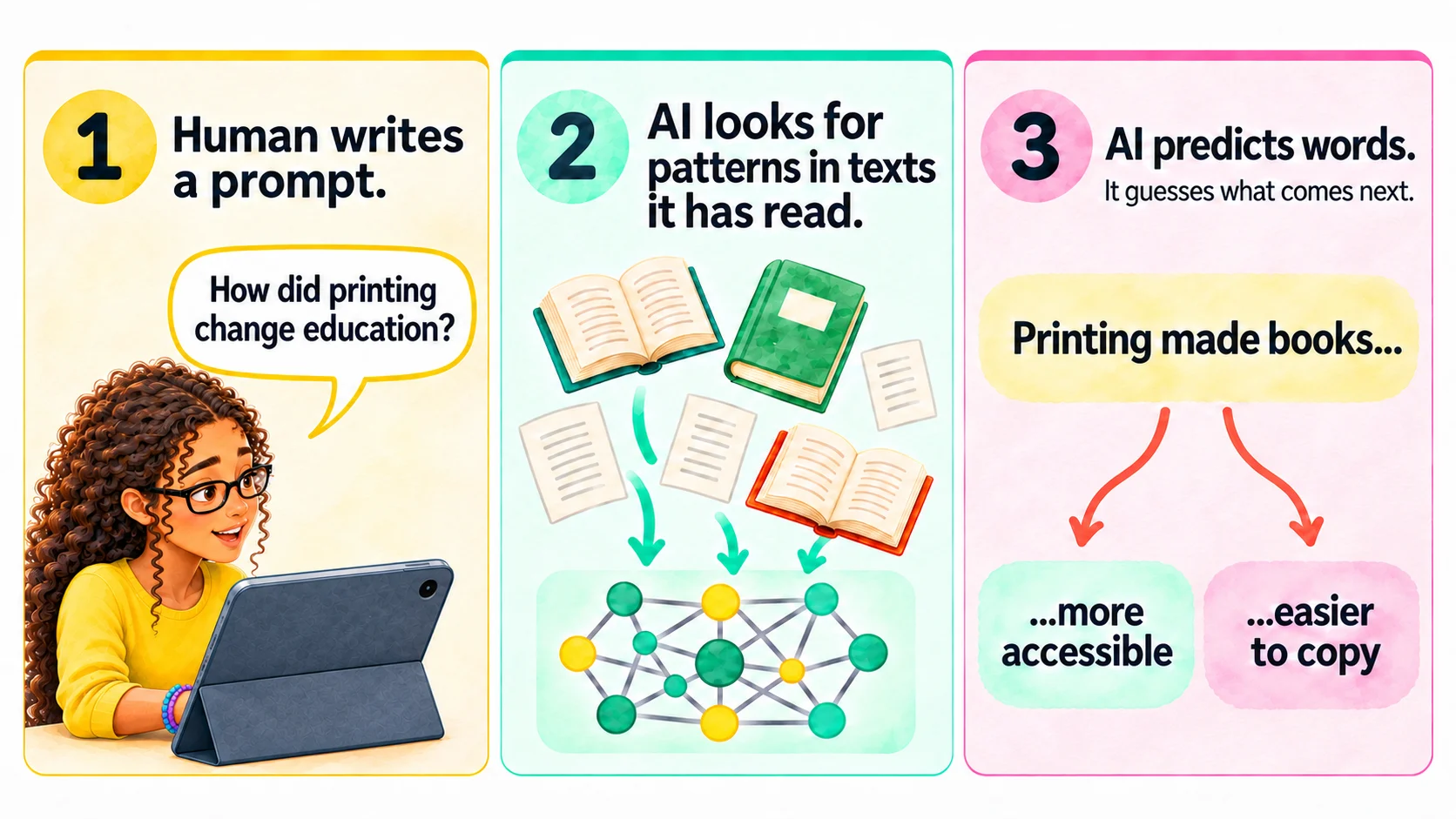
The chatbot has read huge amounts of text and becomes very good at guessing what word comes next, based on patterns in what it has read. It doesn’t check facts or understand like people do. People decide how it’s trained and the rules it follows.
Zara checks her understanding
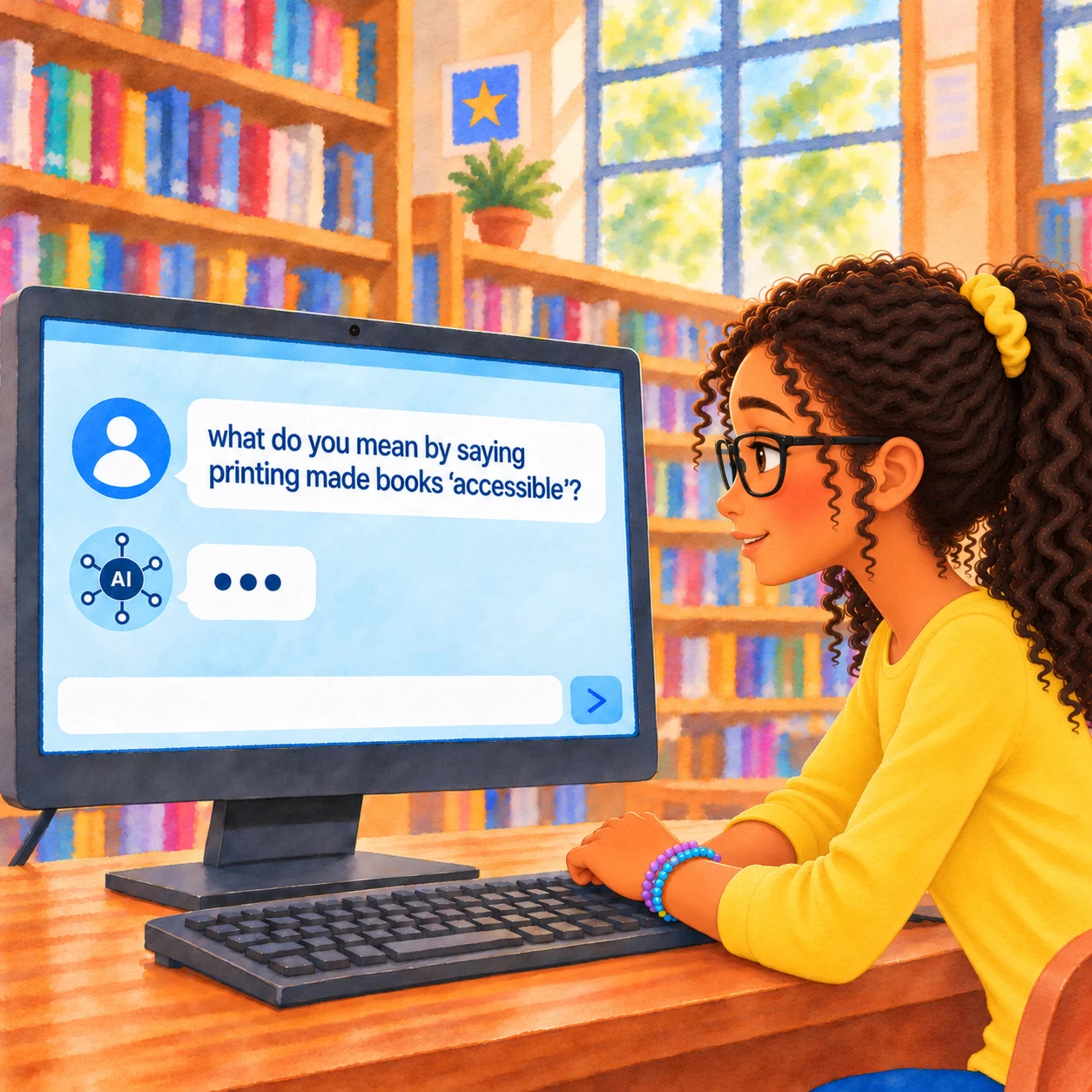
Zara asks, “What do you mean by saying printing made knowledge 'accessible'?" The chatbot responds: "Accessible means easy to get and afford. Before printing, books were very expensive. Mass printing made books cheap and common, so ordinary people could buy or borrow books. Knowledge stopped being just for the wealthy and spread to everyone."
Zara wants to know more
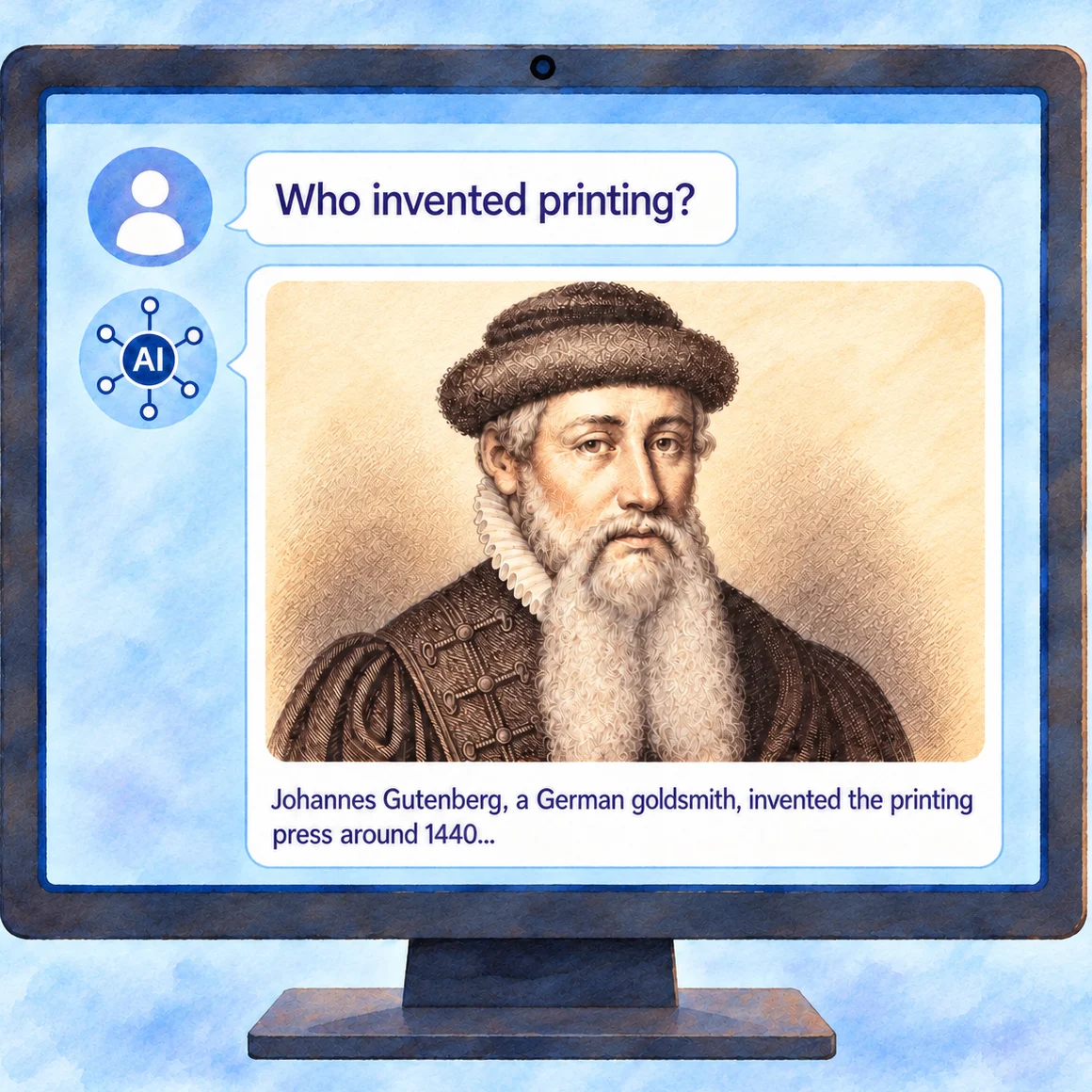
Zara wants to know more details. She asks, “Who invented printing?” “Johannes Gutenberg, a German goldsmith, invented the printing press around 1440. His movable metal type could be arranged and rearranged, making it possible to print books quickly. His printing press spread across Europe, transforming education and knowledge.”
Happy with the help
Zara cheers!
The chatbot answered in seconds, so why open a book?
Her project is done.
Or is it?
The next day at school
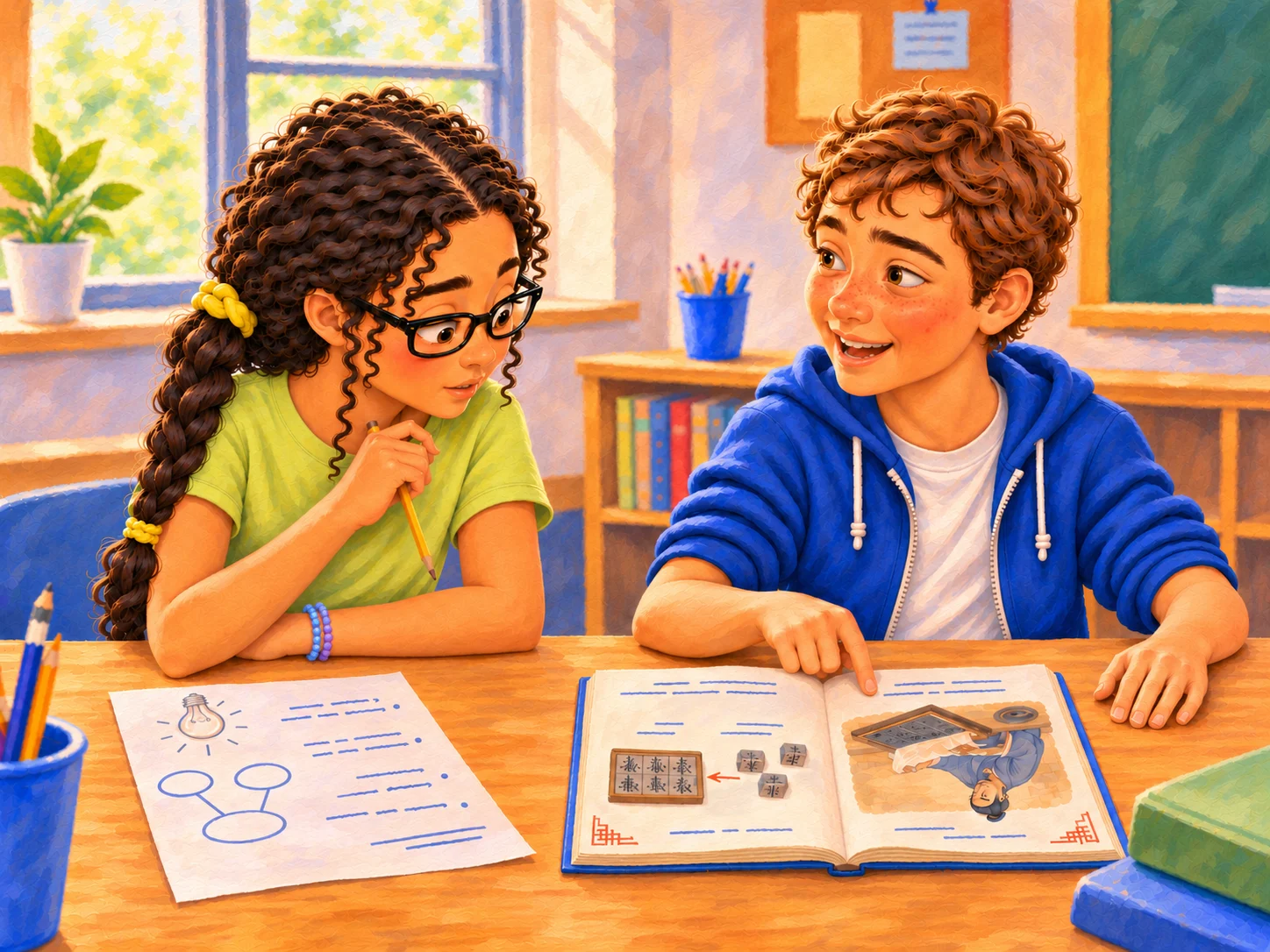
The next day, Zara and her friend Leo compare their assignments. Leo had checked a museum website and found something different: printing was actually invented in China, hundreds of years before Gutenberg.
Zara admits that she used a chatbot and didn't check any other websites or books. They decide to ask their teacher about what they found.
How can we check?
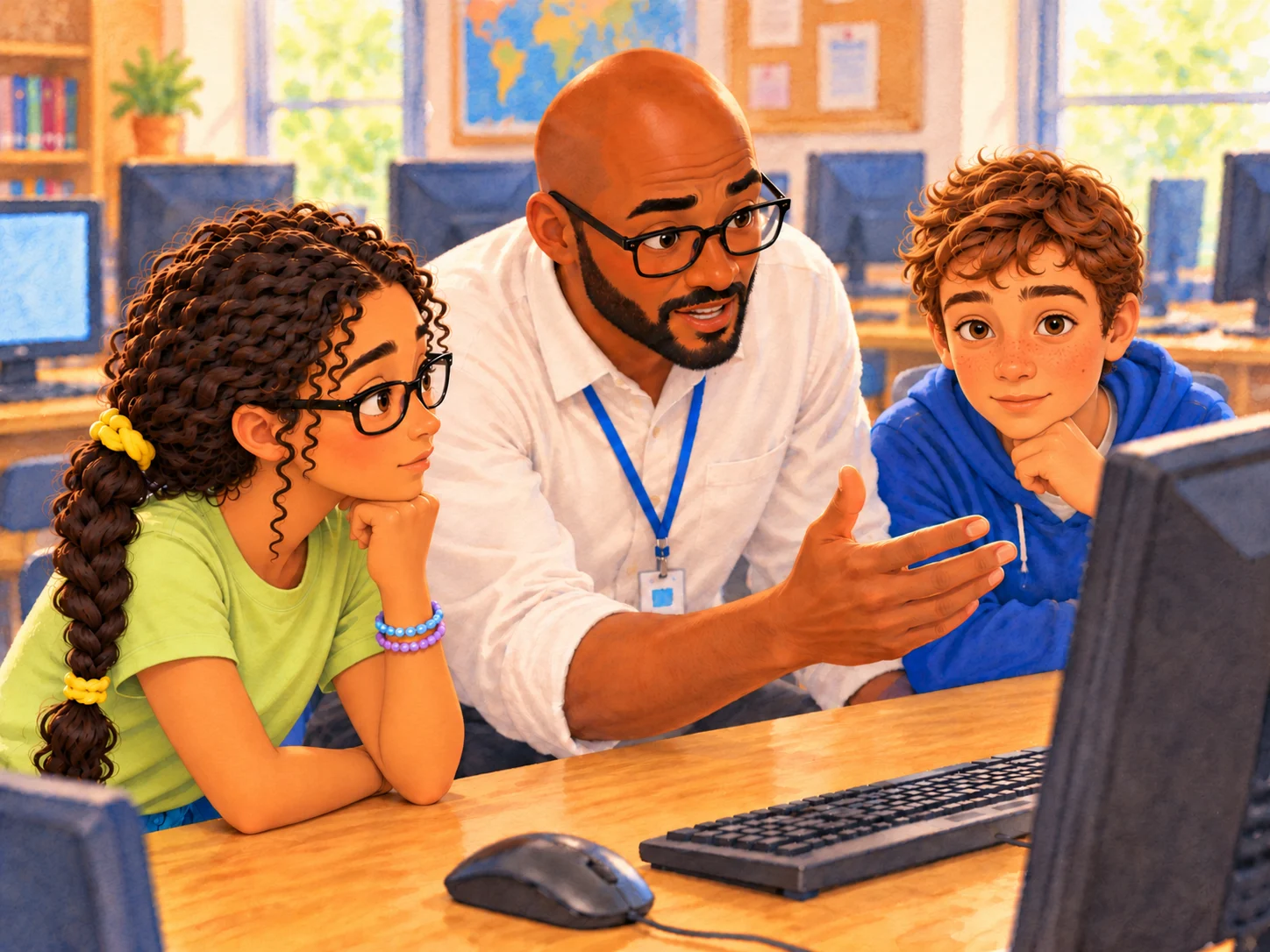
Zara and Leo ask their teacher, Mr. Adeyemi, what really happened with the invention of printing.
Instead of giving the answer, he suggests they look for trusted sources about printing around the world.
He explains how AI can help: you can ask it questions, find sources and compare ideas. But AI can make mistakes, and the sources it gives you can be wrong or may not exist. So always check what it says.
What sources can we trust?
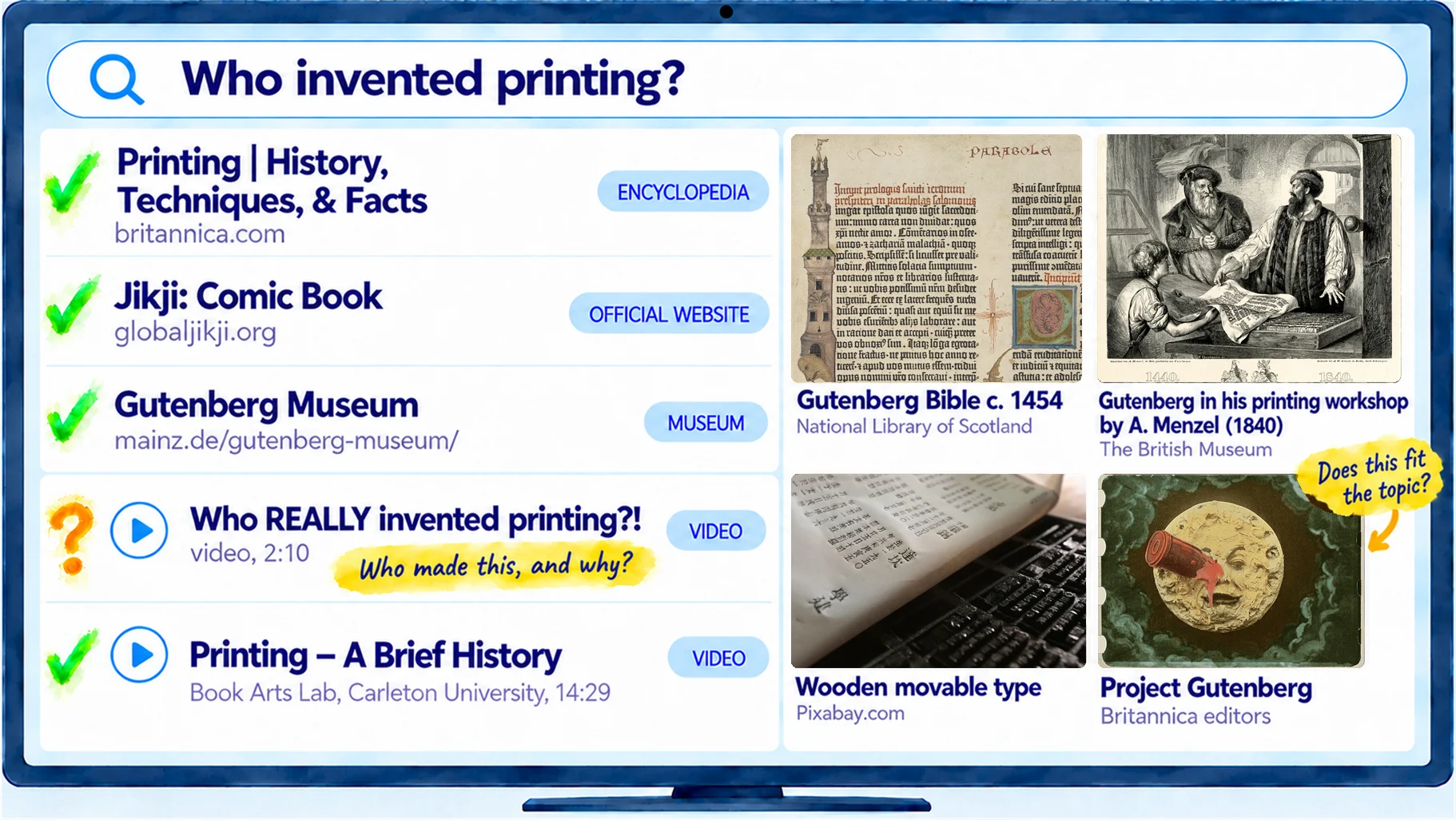
Books or websites from universities, libraries, and museums are good places to find sources you can trust. If you’re not sure where to start, ask your teacher or school library for sources that suit your age and language.
Ask these questions to decide whether a source is trustworthy:
Who made this? A real person or organization you can name, not an anonymous page.
Do they know a lot about this topic? For example, a historian, a scientist, a museum, or a newspaper.
Why did they make it? To teach and inform, or to sell you something?
Everyone has a point of view, and that’s OK. But keep it in mind while you read it.
Do other sources say the same? One source can be wrong. If several different kinds of sources agree, it’s more likely to be true.
Watch out: A nice-looking website, lots of likes or a page that comes up first in your search doesn’t tell you whether you can trust it.
The history of printing
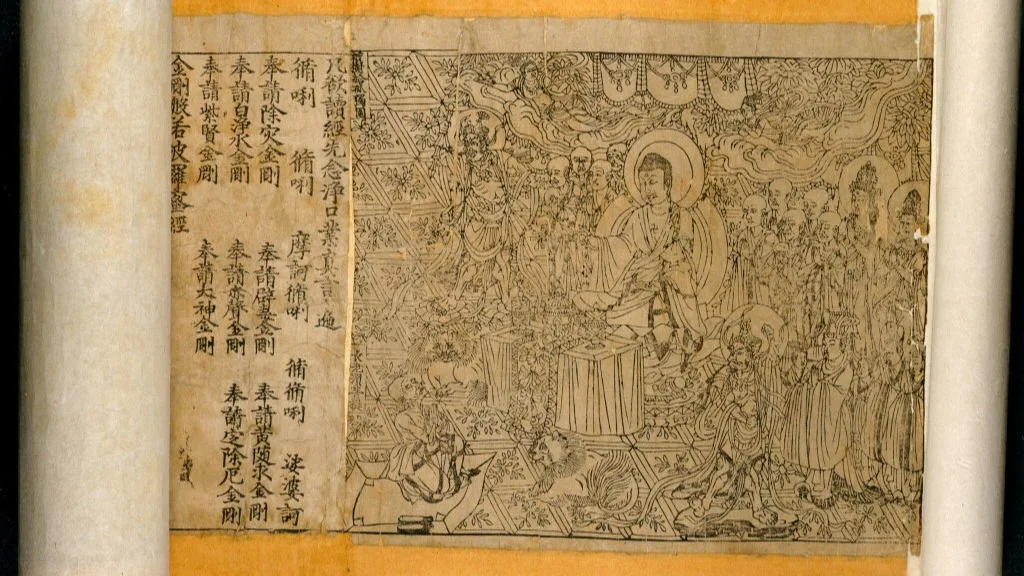
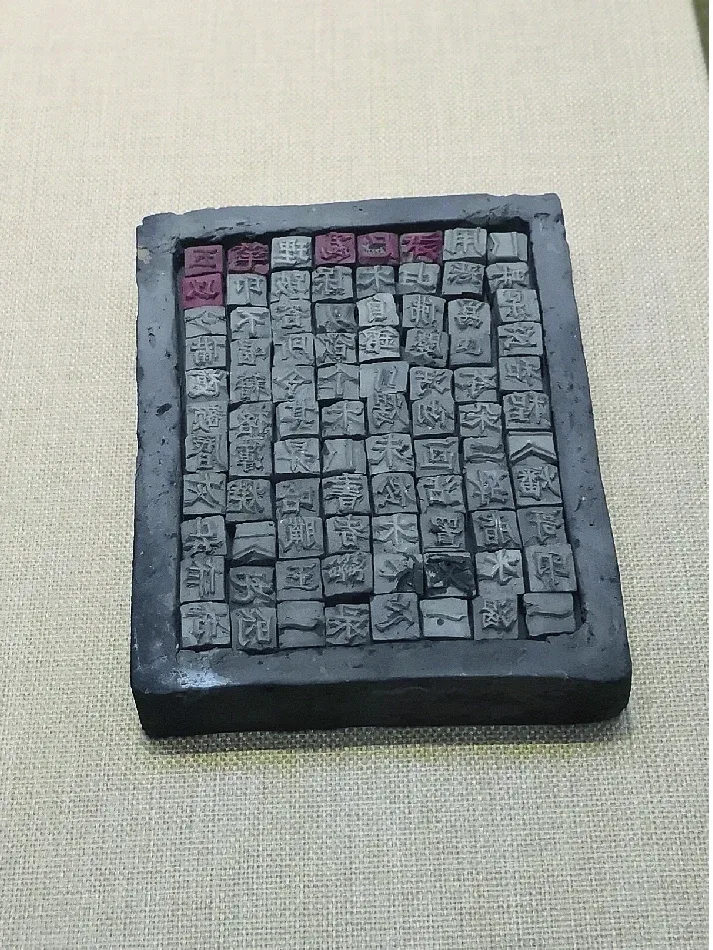
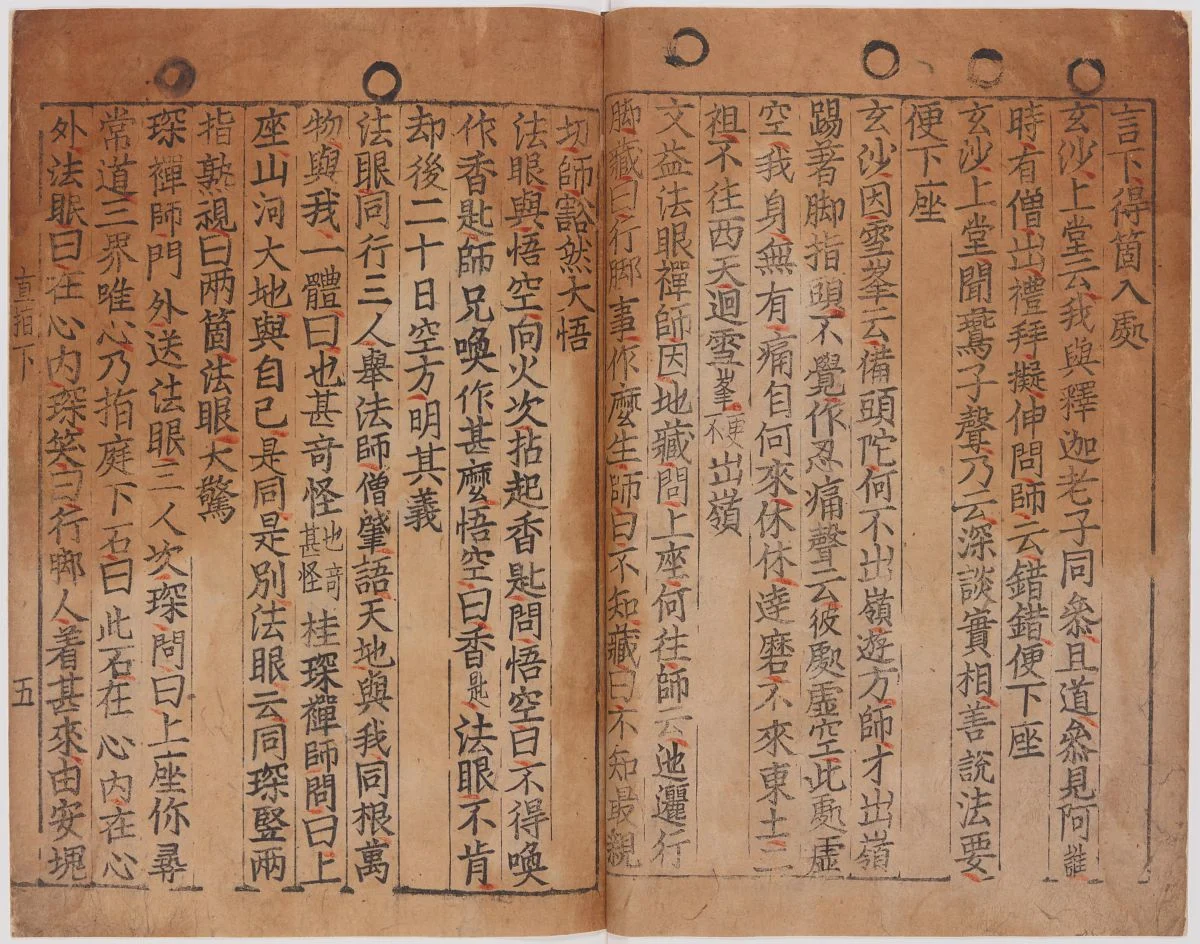
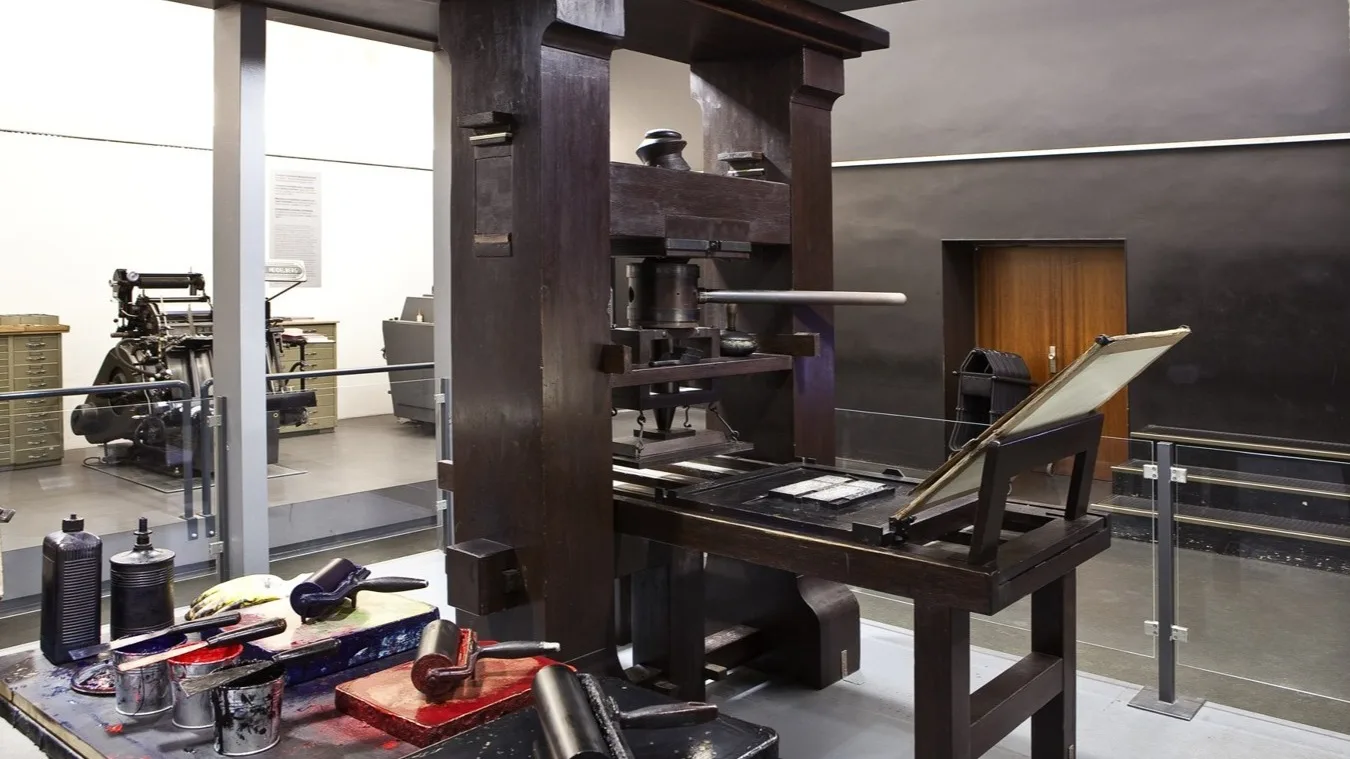
With tips from their teacher, Zara and Leo search again to discover who printed first. This time they check who made each source. They discover that people in China and Korea were printing long before Gutenberg.
When AI tells only part of the story
Zara realizes something important. The chatbot wasn’t wrong about Gutenberg, but it only told the European part of the story and left out China.
This is called bias: when only part of a story, or only one point of view, gets told. Chatbots learn from huge amounts of text written by people. Much of this text is in languages such as English or Chinese, so some languages, places and points of view might appear much more often than others.
People also decide what a chatbot learns from and how it responds. That’s why it’s important to check different sources and ask: whose story might be missing?
Try it: Ask a chatbot to name three important inventors. Then look at a list in a textbook or on a museum website. Who is included? Who is missing? What might explain these differences?
Before
Zara asks the chatbot for information She copies the answer Done!
After
Zara asks the chatbot for information She checks the answer in trustworthy sources She looks for other points of view She writes her own answer Done!
More than a quick answer
At home, Zara types, “Write my project about…” and stops. She writes her ideas: printing began in China and Korea, and Gutenberg’s press spread books across Europe.
She asks the chatbot, “What did I miss?” It points out that cheap books didn’t help people who couldn’t read. Zara finds that as books spread, more people wanted to learn to read, and more schools opened.
Did
you
know
?
Stay safe when using AI
Some kids talk to chatbots when they are worried or need advice. But a chatbot is not a friend. It is a program that predicts words. It doesn’t know you, and it can sometimes give wrong or made-up answers called ‘hallucinations’. If something really matters, like your health, your safety or an important decision, always ask an adult you trust. Never share your full name, address, school, phone number, passwords, or photos of yourself or others. Personal information, including photos, can reveal more than you think, including where you live, where you go to school, or who you spend time with.
Think before you share: Would you tell this to a stranger? If not, don’t type it into a chatbot.
Chatbots can save what you share with them, and people often share very private things in a chat.
How can AI help me learn?
Now you know a bit more about AI. Here are some tips for using it to help your learning, not to think for you.
Think first, then ask AI to help
You learn more when you try yourself before asking AI. Getting stuck is part of learning. Try: “I think school would be different without printing because … What did I miss?” Or: “Gutenberg printed about 180 Bibles, and 49 survive today. I’m stuck on what percentage that is. Explain the steps, not the answer.”
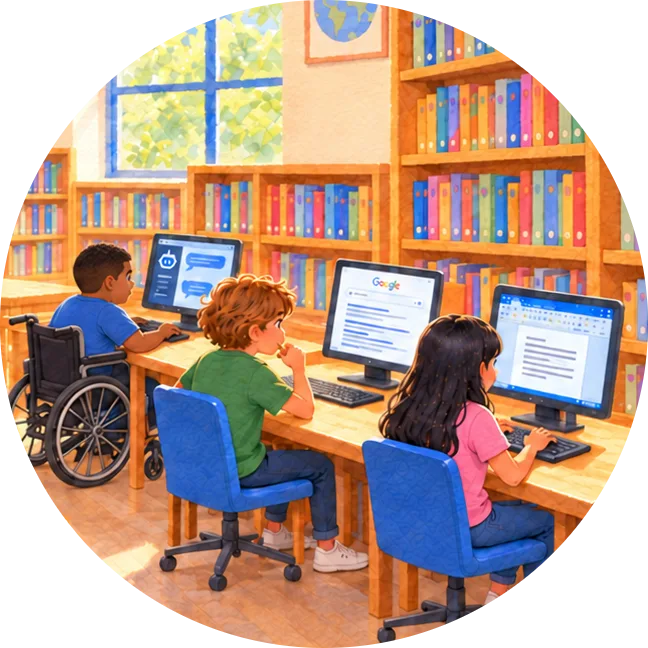
Ask AI to challenge and quiz you
Use AI to challenge your thinking and find gaps in your understanding. Testing yourself is one of the best ways to remember what you learn. Try: “Ask me three questions to check I understand how printing changed education.”
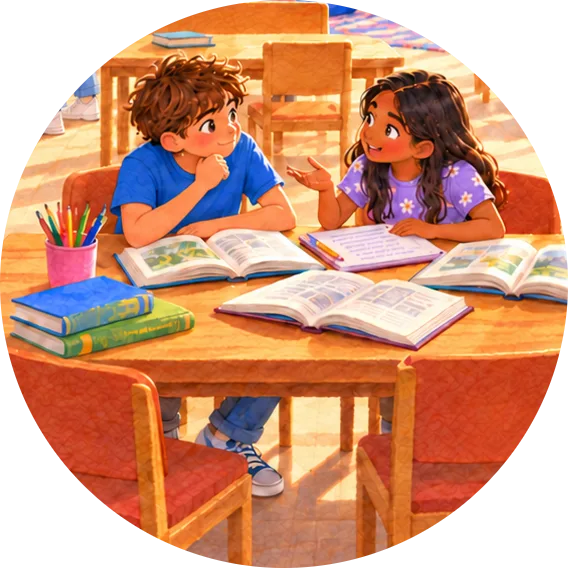
Explore different points of view
AI can help you explore how different people and cultures might see things differently. Try: “What did different people think about printing when it was new?” But don't stop there. Check other sources too and compare what they say.
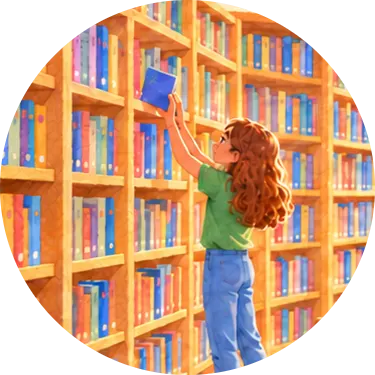
Check what AI tells you
AI can sound sure and still be wrong, and it rarely spots its own mistakes. Check names, dates and numbers in a book, a trusted website, or with your teacher. Try: “What words could I search to learn more?”
 Engage
Difficulty
Easy
Want to know more?
Learning Objectives
This story centers on children's own perspectives on AI and helps students develop a critical and reflective understanding of how AI can support learning.
This story is designed for learners aged 13+. Younger students may also benefit from it, but we recommend that any use of any chatbot is teacher-guided.
Interactive asset
Students complete a survey based on statements drawn from UNICEF's research on children's views of AI and The Children's Manifesto for the Future of AI, which was developed as part of the Children’s AI Summit hosted by The Alan Turing Institute and Queen Mary University of London.
The survey presents six statements related to learning and AI. Students are invited to reflect on each statement, share how it makes them feel, and explain the reasoning behind their responses. This creates opportunities for discussion, reflection, and perspective-taking.
Students will be able to:
express their own views on real-world claims about AI for learning and explain the reasoning behind their opinions.
Story
In the story, students follow Zara, who uses a chatbot to rush a school project on the history of printing. The chatbot sounds confident, but it leaves out that printing began in China and Korea, centuries before Gutenberg. Through Zara’s discoveries, students explore how AI chatbots (Large Language Models) can support their learning rather than replace it. They are introduced to strategies for using AI critically and purposefully in their own learning.
Students will be able to:
understand that AI can produce convincing answers that are sometimes incorrect, and that important information should be verified. (UNESCO AI competency framework: CG4.1.3.2 – Develop conceptual knowledge on how AI is trained based on data and algorithms)
identify ways of using AI that support learning rather than simply completing tasks for them. For example, asking for an explanation or a worked example instead of a final answer, or attempting a problem independently before using AI to check their work. (UNESCO AI competency framework: CG4.2.1.3 – Nurture the personal attitude that human accountability requires personal competencies to steer the purposeful use of AI)
understand that AI is created and guided by people, and think critically about when AI can support human decisions and when people should stay in control. (UNESCO AI competency framework: CG4.1.1.3 – Nurture critical thinking on the dynamic relationship between human agency and machine agency)
About the authors and experts
Written by Rhiannon Moss
This story was written by Dr. Rhiannon Moss, Head of Research at Traces&Dreams. Her work explores how storytelling and research can help people make sense of complex issues and navigate change. Traces&Dreams also launched the AI for a Better Future initiative, which promotes AI literacy, equitable access to AI, and the use of AI to address societal challenges.
Visit Rhiannon's profile Learn more about Traces&Dreams
Created in collaboration with UNICEF
This story was created in collaboration with Thomas Dreesen, Chief of Education Research (OiC) at UNICEF. UNICEF works with children, researchers, educators, and governments around the world to understand how AI is affecting children's lives and learning, and to help ensure that AI supports children's development, rights, and future opportunities.
Visit Thomas on Linkedin Learn more about UNICEF's research on children and AI
Bibliography
Children and AI
The Alan Turing Institute. (2025). The children’s manifesto for the future of AI: Making our voices heard. https://www.turing.ac.uk/sites/default/files/2025-02/childrens_manifesto_for_the_future_of_ai_0.pdf
Common Sense Media. (2026). Risk assessments. Youth AI Safety Institute. https://institute.commonsensemedia.org/risk-assessments
Özkul, D., & Vosloo, S. (2025, October 14). Children’s perspectives on their best interests and AI. UNICEF Office of Strategy and Evidence – Innocenti. https://www.unicef.org/innocenti/stories/childrens-perspectives-their-best-interests-and-ai
UNICEF Office of Strategy and Evidence – Innocenti. (2025). Childhood in a digital world: Screen time, digital skills and mental health. https://www.unicef.org/innocenti/reports/childhood-digital-world
UNICEF Office of Strategy and Evidence – Innocenti. (2026a). Skills for an AI world: Insights from children in five African countries. https://www.unicef.org/innocenti/reports/skills-ai-world
UNICEF Office of Strategy and Evidence – Innocenti. (2026b). Snapshot of AI usage and concerns among children and parents: Insights from 10 countries. https://www.unicef.org/innocenti/documents/snapshot-ai-usage-among-children-parents
AI and learning: research and podcast episodes
Bastani, H., Bastani, O., Sungu, A., Ge, H., Kabakcı, Ö., & Mariman, R. (2025). Generative AI without guardrails can harm learning: Evidence from high school mathematics. Proceedings of the National Academy of Sciences, 122(26), Article e2422633122. https://doi.org/10.1073/pnas.2422633122
Henkel, O. (Host). (2026, October 1). Does AI help with homework but harm exam performance? (Series 5, Episode 6) [Audio podcast episode]. In EdTechnical. BOLD. https://boldscience.org/does-ai-help-with-homework-but-harm-exam-performance/
Henkel, O., Horne-Robinson, H., Kozhakhmetova, N., & Lee, A. (2024). Effective and scalable math support: Evidence on the impact of an AI-tutor on math achievement in Ghana (arXiv:2402.09809). arXiv. https://doi.org/10.48550/arXiv.2402.09809
Hills, L., & Henkel, O. (Hosts). (2024a, August 12). Can AI harm learning? (Season 2, Mini Episode 3) [Audio podcast episode]. In EdTechnical. BOLD. https://boldscience.org/can-ai-harm-learning/
Hills, L., & Henkel, O. (Hosts). (2024b, January 15). Navigating assessment in the age of AI: What counts as cheating? (Season 1, Episode 6) [Audio podcast episode]. In EdTechnical. BOLD. https://boldscience.org/navigating-assessment-in-the-age-of-ai-what-counts-as-cheating/
Hills, L., & Henkel, O. (Hosts). (2025, July 17). Does writing essays with ChatGPT affect the brain? (Season 2, Mini Episode 11) [Audio podcast episode]. In EdTechnical. BOLD. https://boldscience.org/does-writing-essays-with-chatgpt-affect-the-brain/
Kosmyna, N., Hauptmann, E., Yuan, Y. T., Situ, J., Liao, X.-H., Beresnitzky, A. V., Braunstein, I., & Maes, P. (2025). Your brain on ChatGPT: Accumulation of cognitive debt when using an AI assistant for essay writing task (arXiv:2506.08872). arXiv. https://doi.org/10.48550/arXiv.2506.08872
Lehmann, M., Cornelius, P. B., & Sting, F. J. (2025). AI meets the classroom: When do large language models harm learning? (arXiv:2409.09047). arXiv. https://doi.org/10.48550/arXiv.2409.09047
Lodge, J. M., & Loble, L. (2026). Artificial intelligence, cognitive offloading and implications for education. University of Technology Sydney. https://doi.org/10.71741/4pyxmbnjaq.31302475
Sivenas, T. (2025). ChatGPT-5 in secondary education: A mixed-methods analysis of student attitudes, AI anxiety, and hallucination-aware use (arXiv:2512.04109). arXiv. https://doi.org/10.48550/arXiv.2512.04109
Strömberg, D., Lei, V., & Wu, Y. (2026, September 4). The generative AI learning penalty in secondary school. VoxEU. https://cepr.org/voxeu/columns/generative-ai-learning-penalty-secondary-school
AI literacy, ethics and reliability
Furze, L. (2026). Teaching AI ethics: A guide for educators. https://leonfurze.com/wp-content/uploads/2026/02/Teaching_AI_Ethics_PDF_Version_A4_compressed.pdf
Jacobs Foundation. (2025, January 24). Prioritizing equitable learning in the face of artificial intelligence (AI): International Day of Education 2025. https://jacobsfoundation.org/prioritizing-equitable-learning-in-the-face-of-artificial-intelligence-ai-international-day-of-education-2025/
Miao, F., Shiohira, K., & Lao, N. (2024). AI competency framework for students. UNESCO. https://doi.org/10.54675/JKJB9835
Rodrigues, M. (2026, August 21). What are AI hallucinations in research: Causes, examples, and risks. Editage Blog. https://www.editage.com/blog/what-are-ai-hallucinations-in-research-causes-examples-and-risks/
Thomson, T. J., Pfurtscheller, D., Lobinger, K., Laba, N., & Christ, K. (2025). Visual literacies in transition: Multimodal co-production with generative AI. Journal of Visual Literacy, 44(4), 384–405. https://doi.org/10.1080/1051144X.2025.2566592
Walsh, D. (2025, September 22). Generative AI isn’t culturally neutral, research finds. MIT Sloan Ideas Made to Matter. https://mitsloan.mit.edu/ideas-made-to-matter/generative-ai-isnt-culturally-neutral-research-finds
Learning and education
Brod, G. (2020, July 22). How to select the best learning strategies for children. BOLD. https://boldscience.org/how-to-select-the-best-learning-strategies-for-children/
Brod, G., Breitwieser, J., Hasselhorn, M., & Bunge, S. A. (2020). Being proven wrong elicits learning in children – but only in those with higher executive function skills. Developmental Science, 23(3), Article e12916. https://doi.org/10.1111/desc.12916
Brookman-Byrne, A. (2019, November 11). Should homework be scrapped? BOLD. https://boldscience.org/should-homework-be-scrapped/
Global Education Monitoring Report Team. (2026). Global education monitoring report 2026: Access and equity, countdown to 2030. UNESCO. https://www.unesco.org/reports/gem-report/en/2026
UNESCO & International Task Force on Teachers for Education 2030. (2023). Global report on teachers: Addressing teacher shortages; highlights (Report No. ED-2023/WS/12). https://unesdoc.unesco.org/ark:/48223/pf0000387400
History of printing
Ashworth, W. B., Jr. (2023, May 11). The Diamond Sutra. Linda Hall Library. https://www.lindahall.org/about/news/scientist-of-the-day/the-diamond-sutra/
Bibliothèque nationale de France. (2026). “Jikji”, a treasure of the world of printing. https://www.bnf.fr/en/jikji-treasure-world-printing
Gutenberg-Museum. (2026). https://www.mainz.de/microsite/gutenberg-museum/
International Dunhuang Programme. (2026). International Dunhuang Programme. https://idp.bl.uk/
Image prompts
About the images
All illustrations in this story and in the interactive part were generated with AI. We chose this on purpose. The story is about learning with AI, and the images are themselves an example of what AI produces. Like a chatbot’s answer, an AI image can look convincing and still contain mistakes or show only one point of view. Look at the images with the same questions you would ask of any source: Who made this? How? What might be missing?
For each image, you will find a prompt that describes it. The prompts are not the exact ones we used, but you can use them to see how words become pictures and to try it yourself.
The photos of historical objects in the gallery “The history of printing” were not made with AI. Their sources are given with each image.
Images in the interactive asset
AI’s answer. Create a 4:3 illustration in watercolour and coloured pencil of a laptop on a classroom desk. On screen, a chat: the user sends a blue rectangle (9 m by 6 m) with “Area = ?” and the AI replies “9 × 6 = 54 m²”. In front of the laptop, an open exercise book shows the same task under the heading “Area”, with “A = ___ m²” still empty. A pencil, a pencil case and books on the desk, an empty classroom in the background.
Explaining area. Create a 3:2 illustration in watercolour and coloured pencil, showing two children from behind at a classroom desk. A girl with long curly hair in a lilac T-shirt points at a worksheet with a blue rectangle (5 m by 3 m) and “5 × 3 = ___ m²” and says in a speech bubble: “I multiply length by width.” A boy with brown hair in a yellow T-shirt listens. On the right, a laptop shows an AI answer for another rectangle: “9 × 6 = 54 m²”. Warm afternoon light.
Where food comes from. Create a 4:3 illustration in watercolour and coloured pencil. In a school library, a boy with short curly hair in a white and blue school T-shirt sits in a wheelchair and points at an open picture book titled “Where our food comes from” (tomato plant to tomato, wheat to bread, hen to egg, cow to milk). Beside the book, a tablet shows an AI answer with a tomato and an egg. On the table: a notebook with two columns, “Plants” and “Animals”.
Working it out. Create a 4:3 illustration in watercolour and coloured pencil. A girl with long box braids and yellow beads, wearing a purple hoodie, sits at a school desk with one hand on her forehead, looking frustrated as she works on fractions in an exercise book (3/4 + 2/3 = ?, converted into twelfths). A closed laptop lies on the desk next to her. Plain, warm background.
School garden. Create a 4:3 illustration in watercolour and coloured pencil in a school garden. A teacher with curly hair in a bun, glasses, a green shirt and a lanyard kneels by a raised bed and points at a young bean plant. Next to her, a girl with a dark ponytail and a purple hoodie holds a tablet showing the stages of plant growth from seed to plant, and a boy with short curly hair in a blue hoodie watches. Sunny day, school building and trees in the background.
Bedtime chat. Create a 4:3 watercolour illustration of a bedroom at night. Two boys sit on the lower bunk of a wooden bunk bed under a blue checked blanket: a blond, freckled boy in a blue T-shirt talks excitedly, and a brown-haired boy in a green T-shirt and pyjama shorts listens, holding a phone with a chat on screen. A bedside lamp glows, a crescent moon and stars are outside the window, a football lies on the floor and a football poster hangs on the wall.
Images in the story
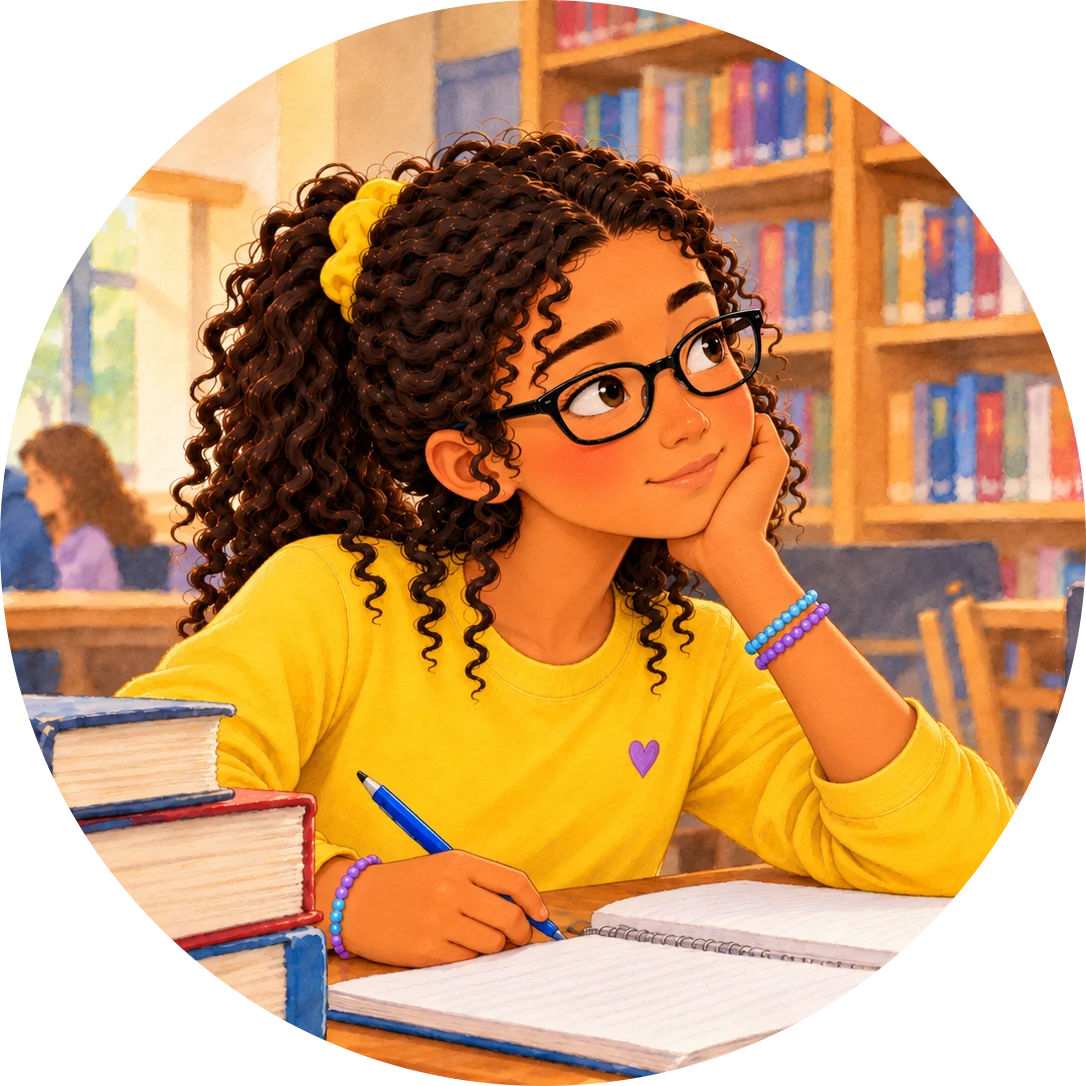
Image 1. Create a 4:3 watercolour illustration. A girl with long dark curly hair, a yellow scrunchie, black glasses, a yellow sweater with a small purple heart and bead bracelets sits in a library, chin on her hand, looking up and daydreaming while writing in a notebook. A stack of thick books beside her, two children blurred in the background, warm afternoon light.
Image 2. Create a 4:3 watercolour illustration. A girl with long dark curly hair, a yellow scrunchie, black glasses, a yellow sweater and bead bracelets types at a library computer, seen from the side. The chat on screen reads: “can you help me to write my project about how printing changed education? it’s due on Friday and I haven’t even started.” Focused expression, bookshelves and a globe behind her.
Image 3. Create a 16:9 infographic in soft watercolour style with three side-by-side panels, each with a large numbered circle and a coloured top border (yellow, green, pink). Panel 1, “Human writes a prompt.”: a girl with long dark curly hair, black glasses, a yellow sweater and bead bracelets types on a tablet; speech bubble: “How did printing change education?”. Panel 2, “AI looks for patterns in texts it has read.”: open books and pages with arrows flowing into a network of green and yellow dots. Panel 3, “AI predicts words. It guesses what comes next.”: the phrase “Printing made books…” branches with arrows into two options: “…more accessible” and “…easier to copy”. Clean, friendly layout for children.
Image 4. Create a square watercolour illustration for children’s educational content. A girl with long dark curly hair in a ponytail with a yellow scrunchie, black glasses, a yellow sweater and colourful bead bracelets sits at a library computer, seen in profile. On screen, a chat window: her message reads “what do you mean by saying printing made books ‘accessible’?” and the AI is typing (three dots). Warm sunlight, colourful bookshelves behind her.
Image 5. Create a square watercolour illustration of a computer monitor showing a chat. The user asks “Who invented printing?”. The AI replies with an engraving-style portrait of Johannes Gutenberg and the text “Johannes Gutenberg, a German goldsmith, invented the printing press around 1440…”. Simple interface, light blue background, no people outside the screen.
Image 6. Create a 4:3 portrait in 3D animated film style. A girl with long dark curly hair, a yellow scrunchie, black glasses, a yellow sweater with a small purple heart and blue and purple bead bracelets smiles confidently and raises both fists in a small victory gesture. Upper body framing, soft cinematic light, warm blurred bokeh background.
Image 7. Create a 4:3 watercolour illustration in a sunny classroom. A girl with long dark curly hair in a low ponytail with yellow hair ties, black glasses, a light green T-shirt and purple bead bracelets holds a pencil and looks surprised. Beside her, a boy with curly auburn hair, freckles and a blue hoodie smiles and points at an open book about printing that shows movable type pieces and a printer at work. On the table: a worksheet with a lightbulb, a mind map and notes, and pencils in a cup.
Image 8. Create a 4:3 watercolour illustration in a school computer room with a world map and a pinboard. A teacher with a shaved head, beard, black glasses, a white shirt and a blue lanyard leans in and explains something on the screen with an open hand gesture. Beside him, a girl with a long curly braid tied with yellow hair ties, glasses, a light green T-shirt and blue and purple bead bracelets, and a boy with curly auburn hair, freckles and a blue hoodie listen thoughtfully, chins on hands.
Image 9. Create a 16:9 illustration of a computer screen in soft watercolour style, showing a search page for “Who invented printing?”. Left: five results with source labels (encyclopedia, official website, museum, two videos), green ticks next to reliable sources, an orange question mark next to one video with the handwritten note “Who made this, and why?”. Right: four image results with captions, one marked “Does this fit the topic?”.
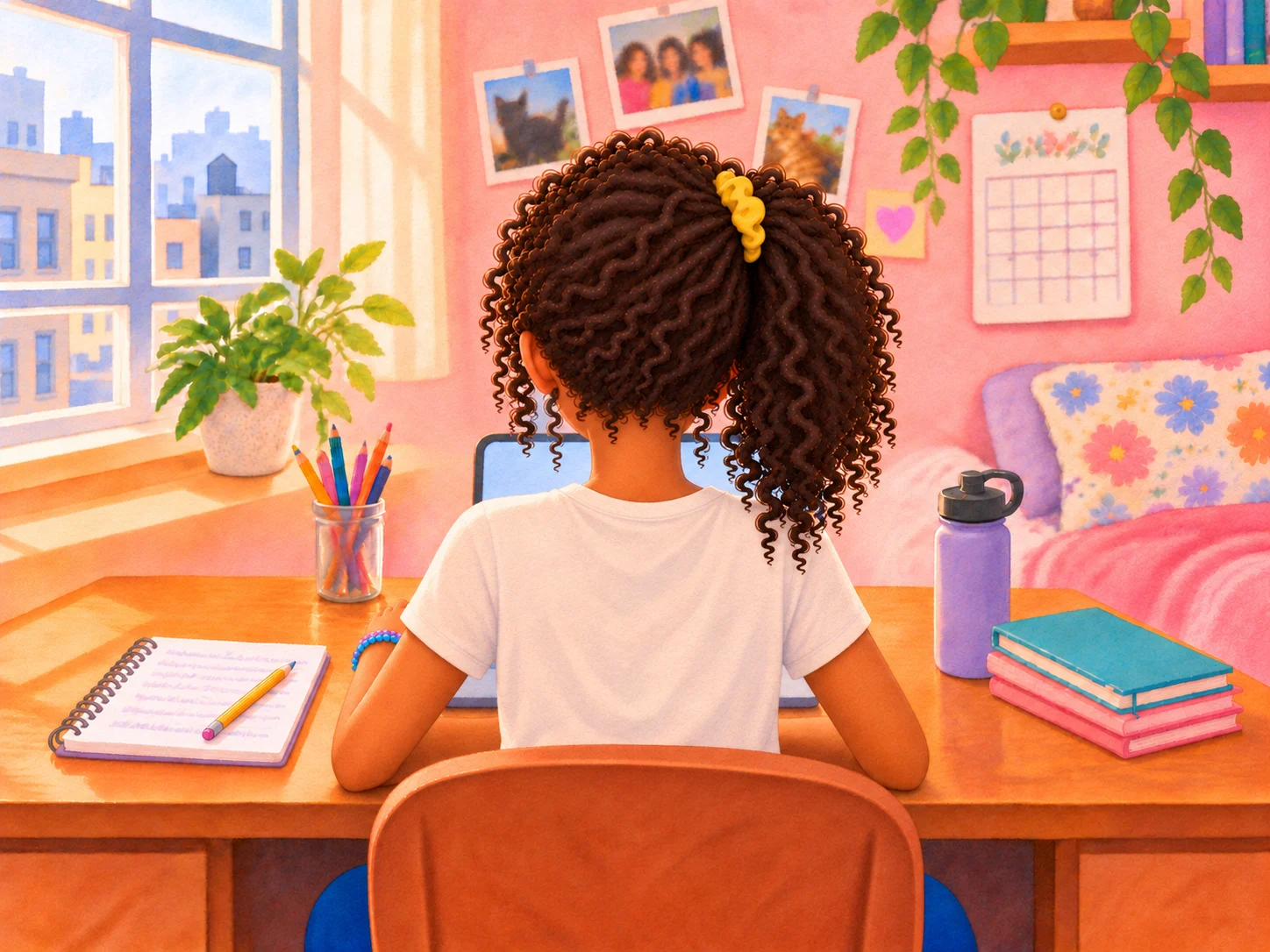
Image 10. Create a 4:3 watercolour illustration. A girl seen from behind, with long dark curly hair in a ponytail with a yellow scrunchie, a white T-shirt and a blue bead bracelet, sits at a laptop on a wooden desk in a pink bedroom. On the desk: a spiral notebook with a pencil, coloured pencils in a jar, a purple water bottle, stacked books. Window with city buildings and a plant on the left; photos, a heart note and a calendar on the wall; a bed with flowered cushions. Bright morning light, calm mood.
Image 11. Detail of image 1.
Image 12. Create a square watercolour illustration. Three children sit at computers in a sunny school library, seen from the side and behind: a boy in a wheelchair, a curly-haired boy in a green T-shirt and a girl with long dark hair in a pink T-shirt. The screens show a chatbot, a search engine and a text document. Blue office chairs, colourful bookshelves, a window in the background.
Image 13. Create a square watercolour illustration. In a school library, a boy with curly brown hair and a blue T-shirt rests his chin on his hand and listens to a girl with long wavy dark hair and a purple flowered T-shirt, who explains something with an open hand. On the table: open books, a stack of books and coloured pencils in a pink cup. Red chairs, warm sunlight.
Image 14. Create a square watercolour illustration. A girl with long wavy auburn hair, a green T-shirt and jeans, seen from behind, stretches up to take a blue book from a high library shelf. Tall wooden shelves full of colourful books, warm light.