
What if? Learn how to imagine the future!

 What if? Learn how to imagine the future!What if? Learn how to imagine the future!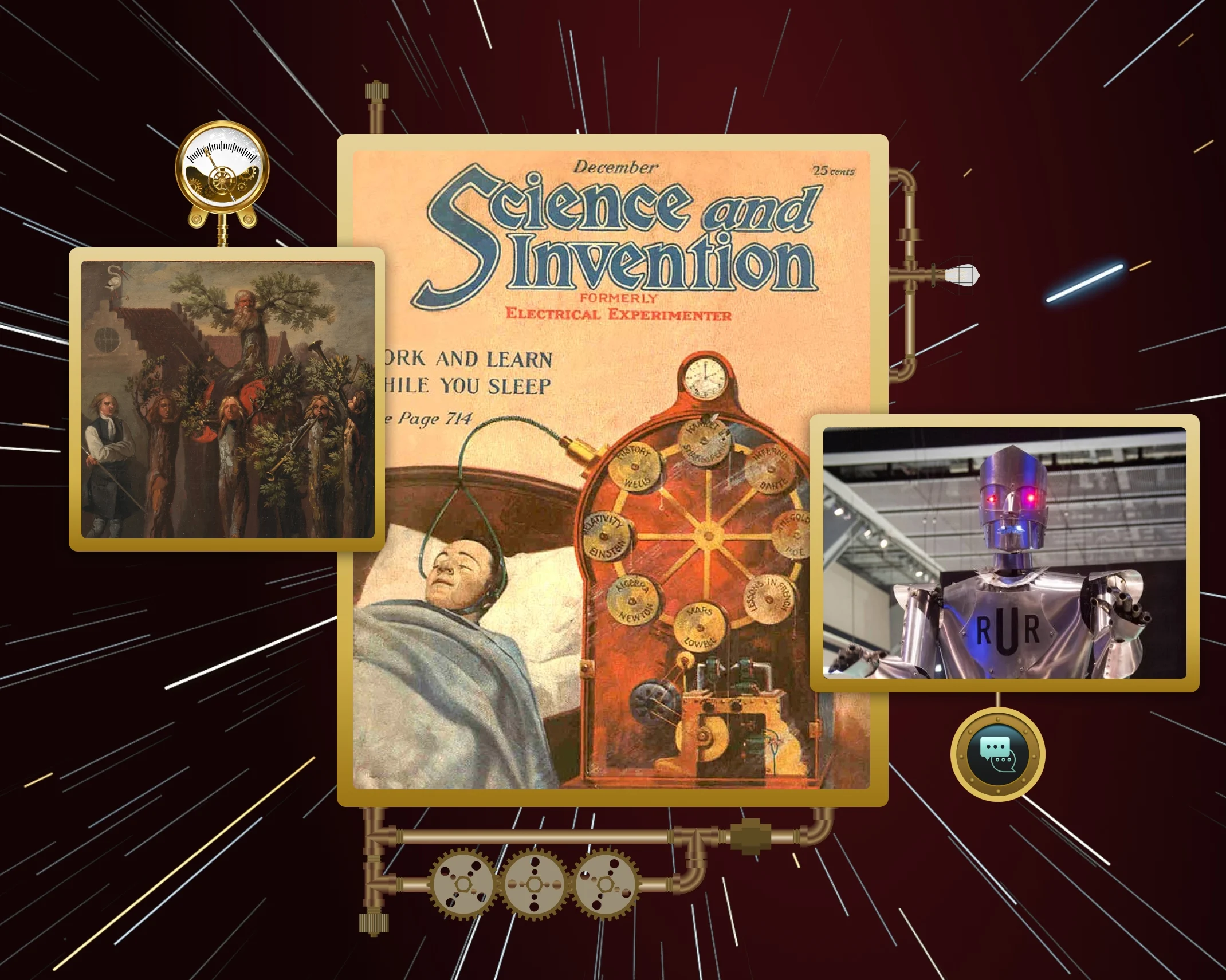

 Explore
 Explain
Why do we imagine the future?
You’ve just traveled through time and seen strange, incredible, and funny ideas about the future. But why do people spend so much time thinking about the future?
We imagine the future because it can help us dream, prepare, and make choices.
People also imagine the future to solve problems or create new things.
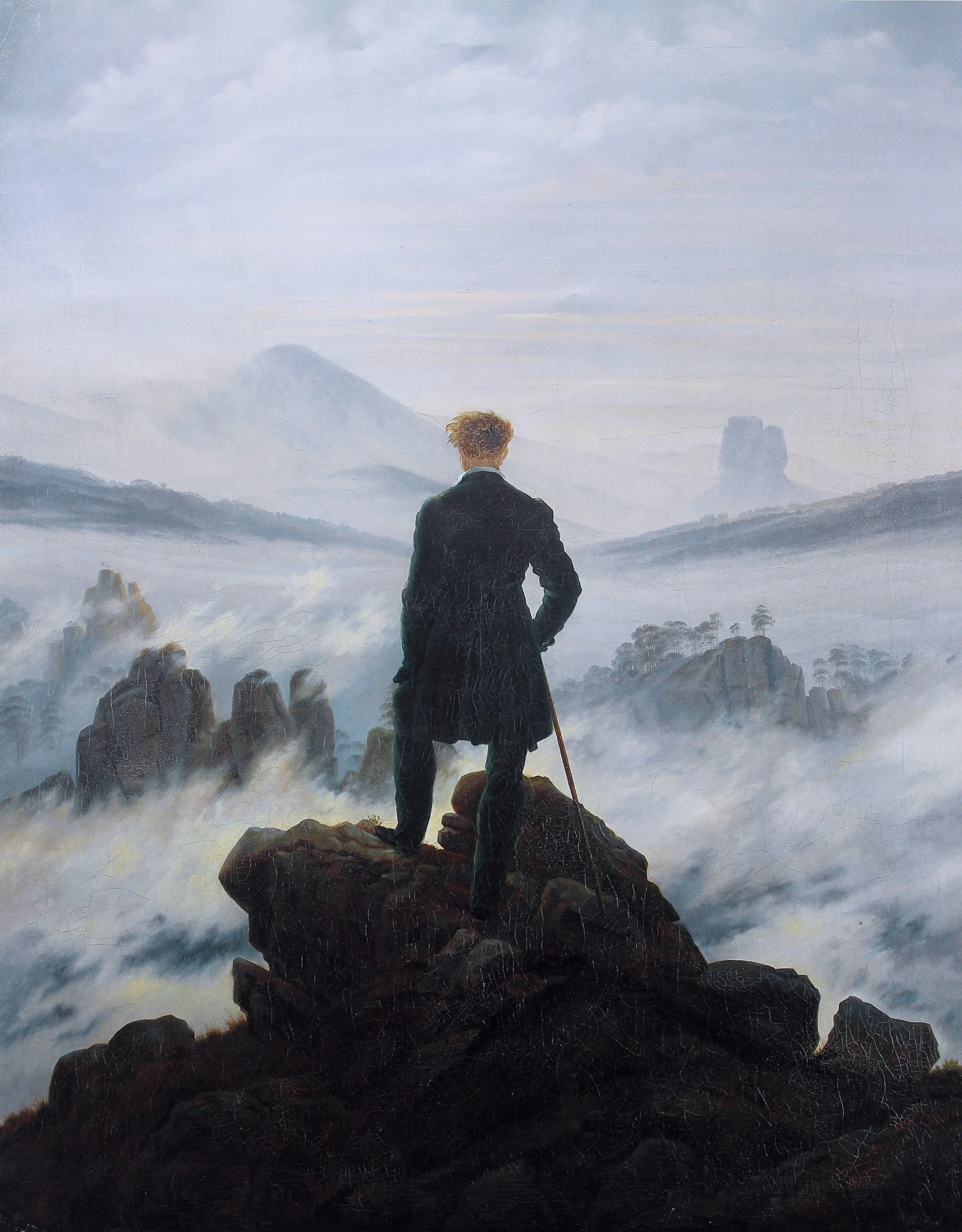
Like this traveler standing at the edge of the unknown, the future is not fixed. It can change depending on the choices we make today.
People in the past had lots of ideas about the future
People have imagined the future for a long time. In the Time Machine, you saw pictures and stories about new inventions and new ways of living. Some ideas look funny today. Others look familiar.
Sometimes, past ideas came true
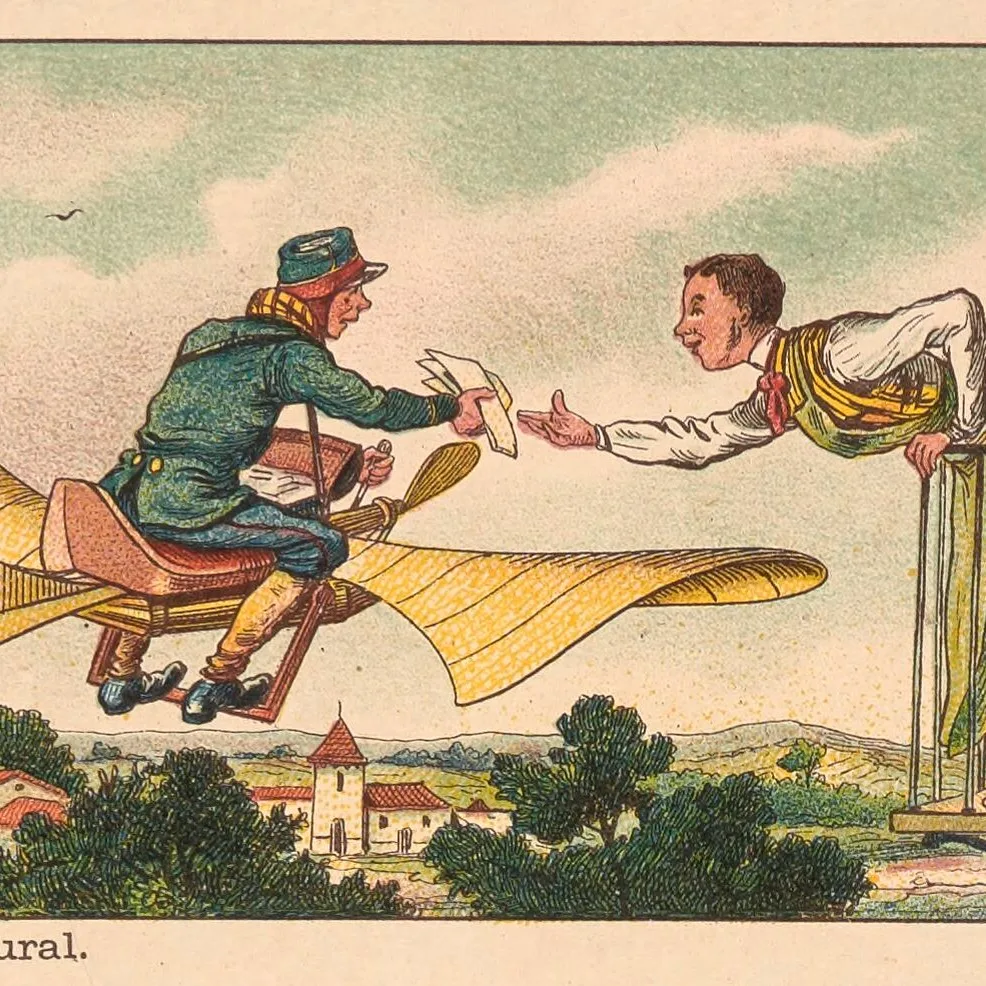
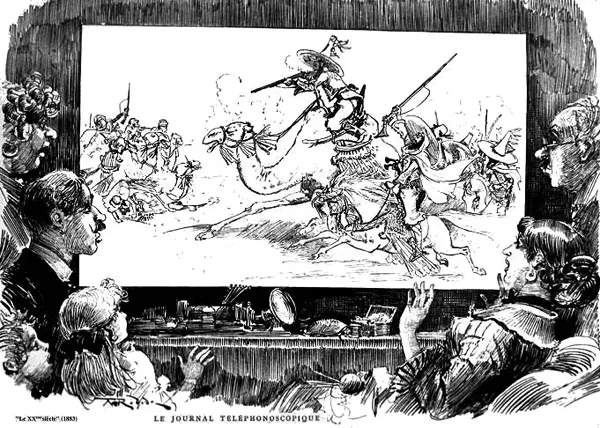
Sometimes people guessed the future surprisingly well. In 1883, Albert Robida imagined a “screen of the future” that showed news, plays, and people far away.
Today we use phones, tablets, and video calls for the same things. Can you think of another idea from the past that became true?
Sometimes, ideas didn’t work as expected
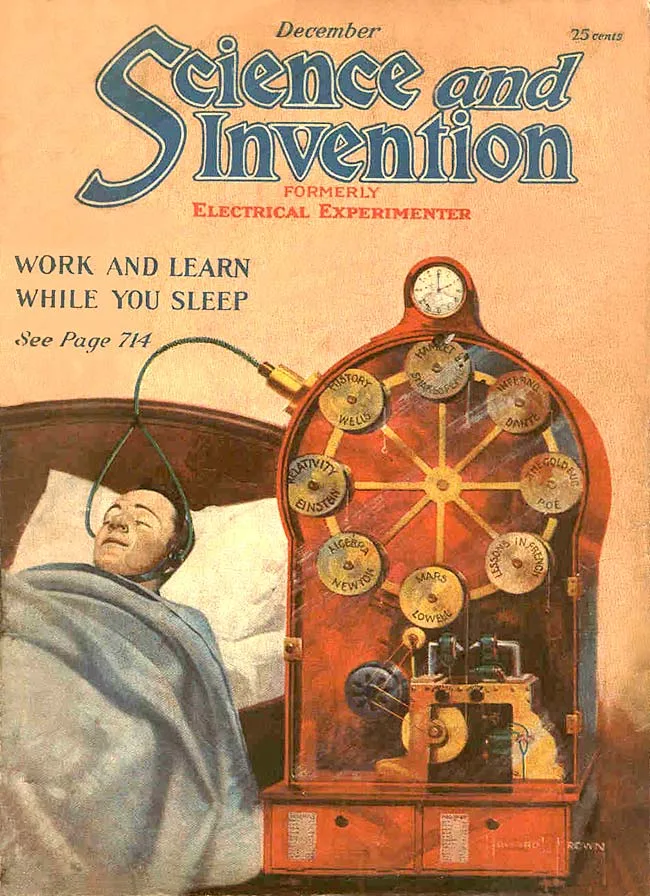
In the 1900s, some scientists thought people could learn new information while they slept. They even had a name for it: “hypnopedia” (sleep-learning).
Today, research shows that we can’t learn new facts while we’re asleep. But sleep does help our brains store and remember what we learned during the day. So… sleep well!
What is the past, present, and future?
Can you describe the past, present, and future? The future can be close (in an hour) or far away (in 2050), and you “use” it when you imagine what could happen. You already use the future every day when you hope, worry, plan, or dream.
There is more than one possible future
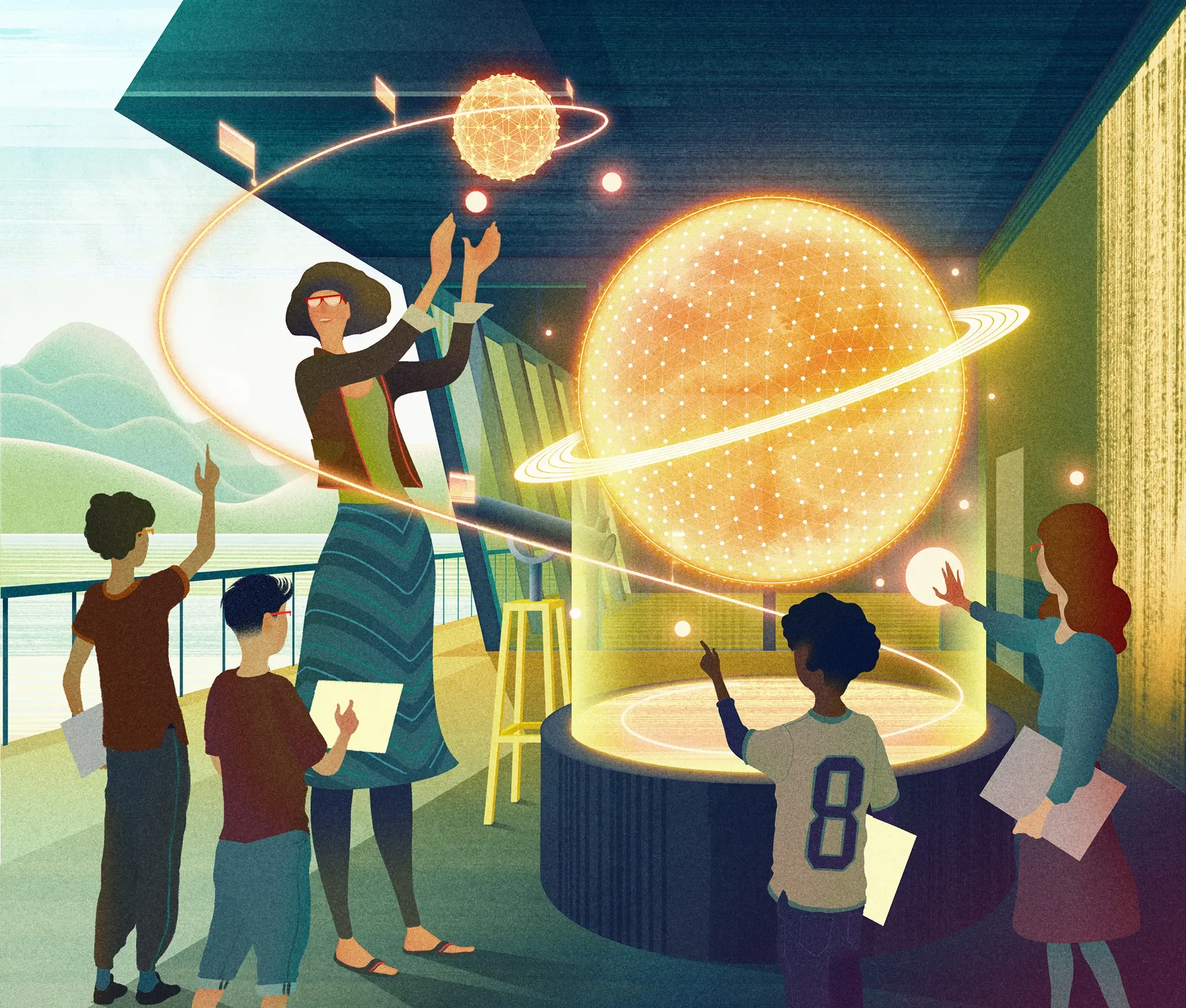
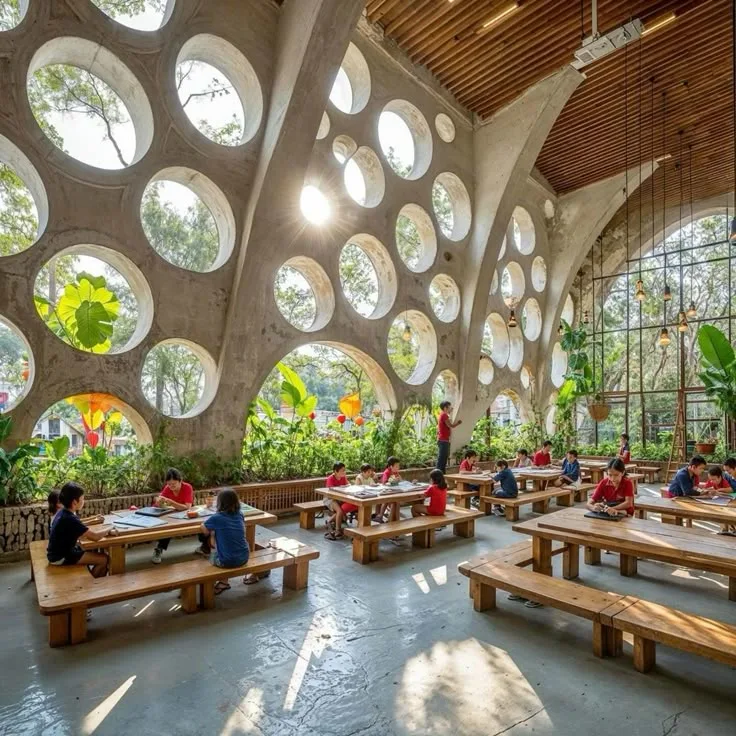
The future is not certain, so different things might happen. At school, we could use new technologies. What do you notice about this classroom? How is it different from most classrooms today?
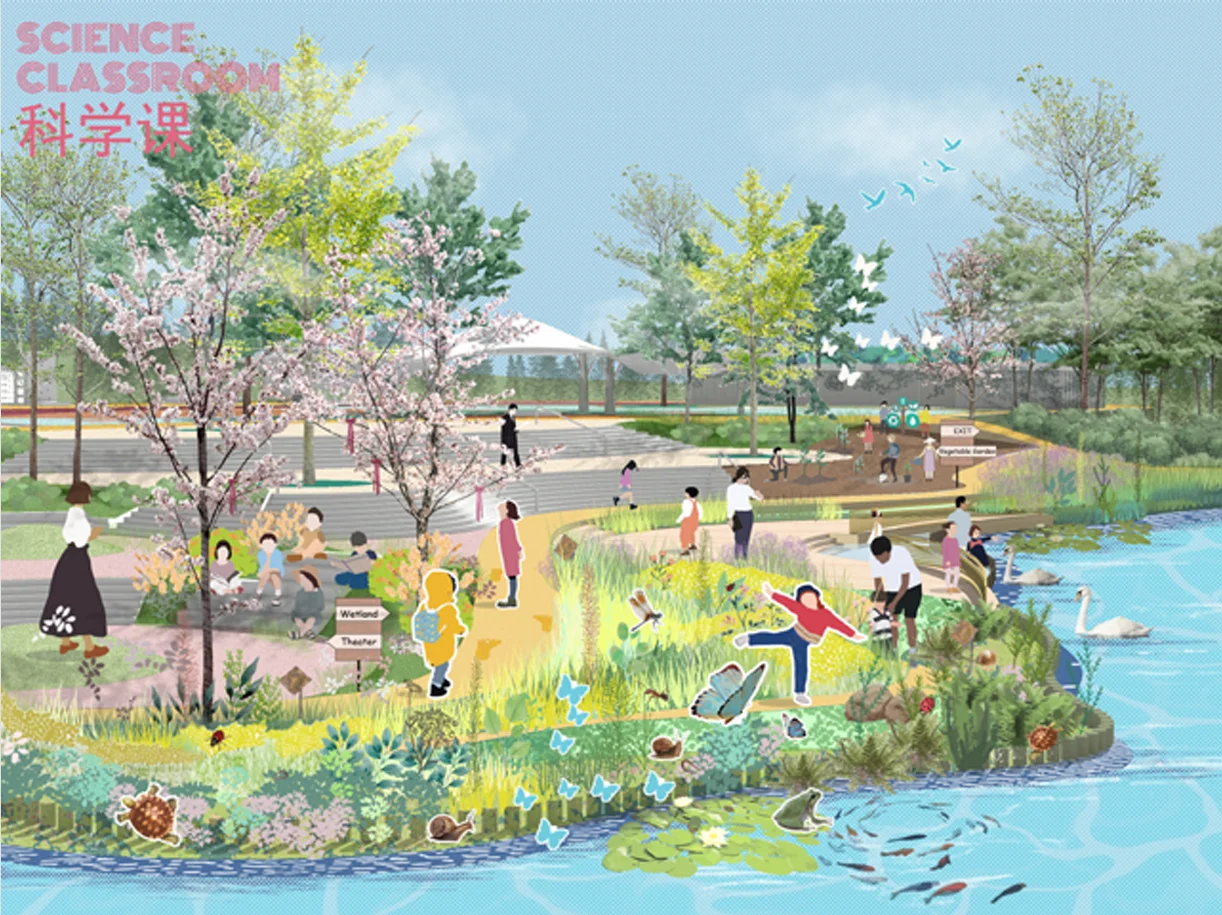
Schools could also focus more on learning through play and outdoor time. We could spend more time outside learning about nature. What would you choose for future schools: more screen time or more time outdoors?
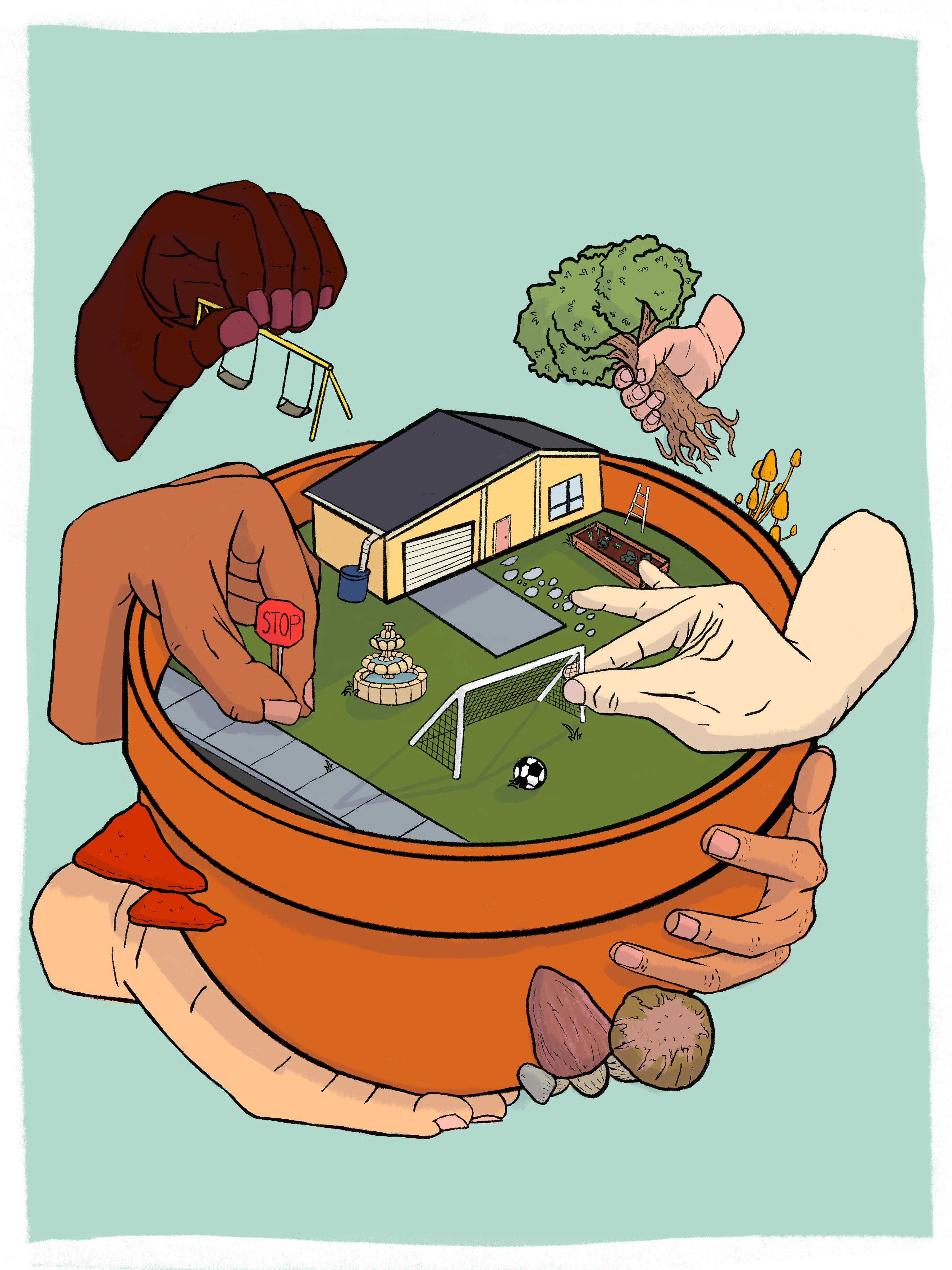
Can you imagine a third possible future for your school? How might children in different parts of the world imagine their future schools differently?
What could happen?
Good and bad things can happen when we make choices about the future. Most changes that shape the future are mixed. One change can bring new benefits and new problems at the same time. That’s why futures thinking is about noticing trade-offs and making better choices, not finding a “perfect” future.
Let’s explore an example: Imagine it’s 10 years from now and classrooms no longer exist. How would children learn?
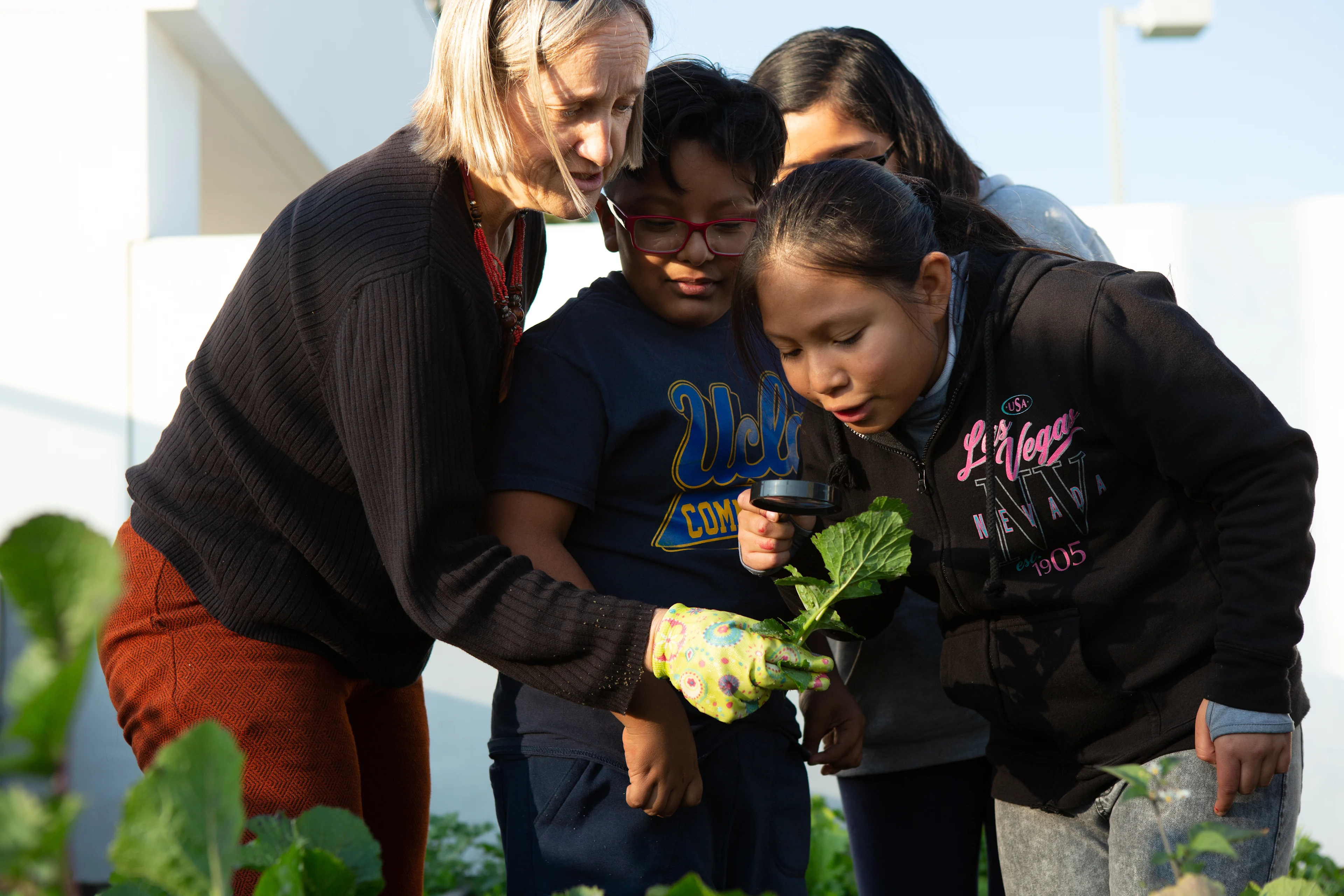
Helpful future
Learning happens everywhere. Kids can learn math in the park, science at a museum, and reading in a cozy corner at home. They join small groups in different places, where teachers help them follow their curiosity. Where would you like to learn if you could choose?
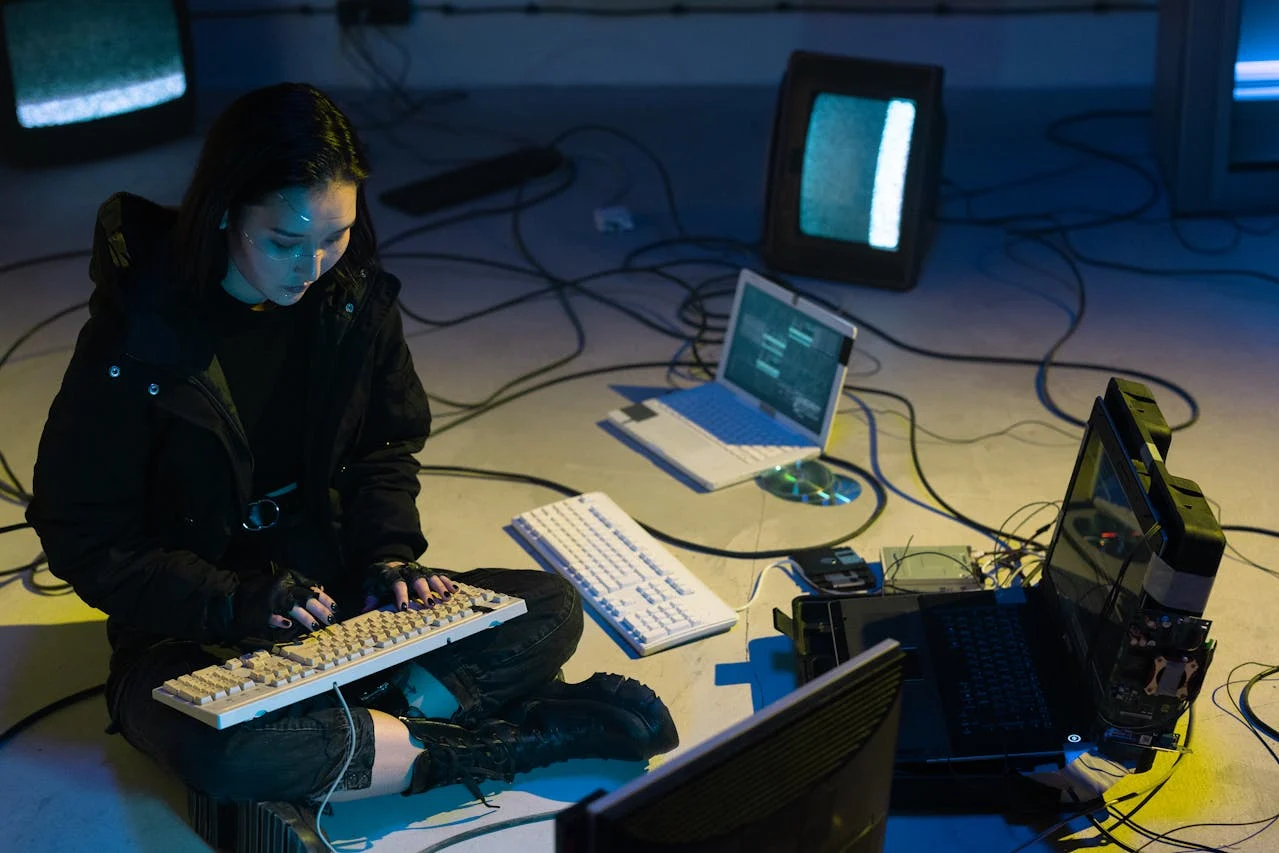
Harmful future
Kids learn mostly alone on screens. Some lack a quiet place to learn or access to a good device and the internet. It becomes harder to make friends, and many kids feel lonely. Teachers don’t always notice when someone needs help. What would you miss if you couldn’t learn with others?
Mixed future
Kids learn partly online and partly in places like parks, libraries, and museums. Some lessons are online, but kids also meet in groups to talk, work on projects, and learn from each other. What would feel right for you? What trade-offs are you willing to make?
Using the future to make choices today
Thinking about the future can help you choose what to do now. When you imagine what could happen next, you can spot risks and opportunities early. Then you can make choices that support the future you want, like getting ready, saving time, or staying healthy.
Let’s explore this in three simple examples:
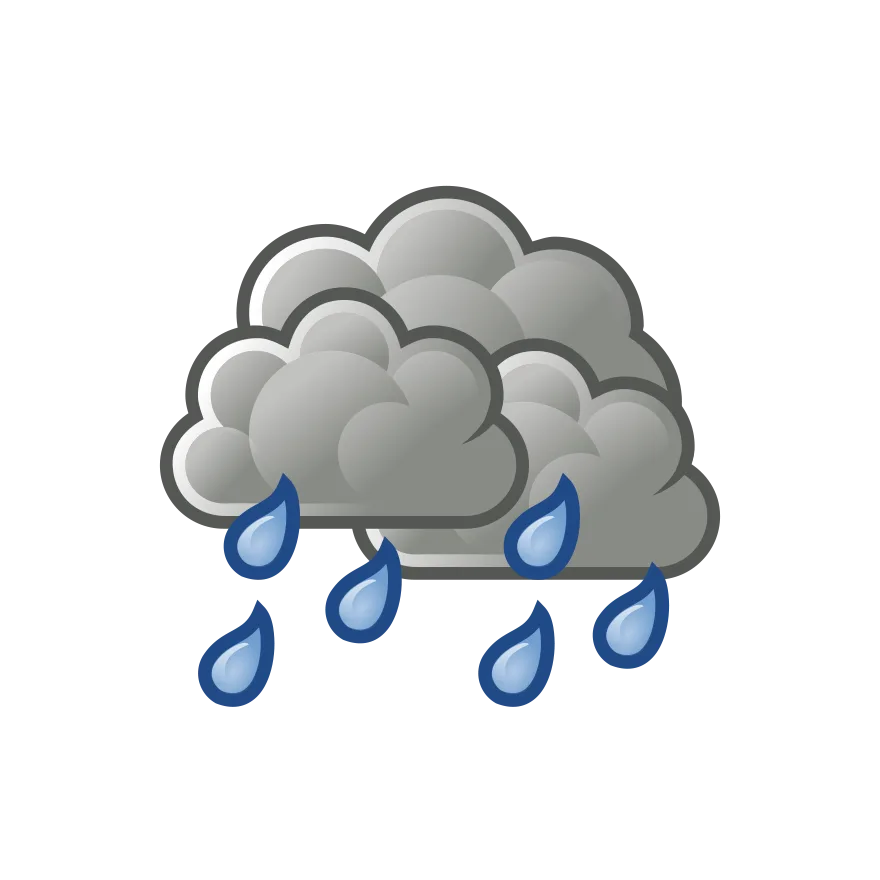
If you saw this weather forecast, would you take an umbrella or leave it at home?
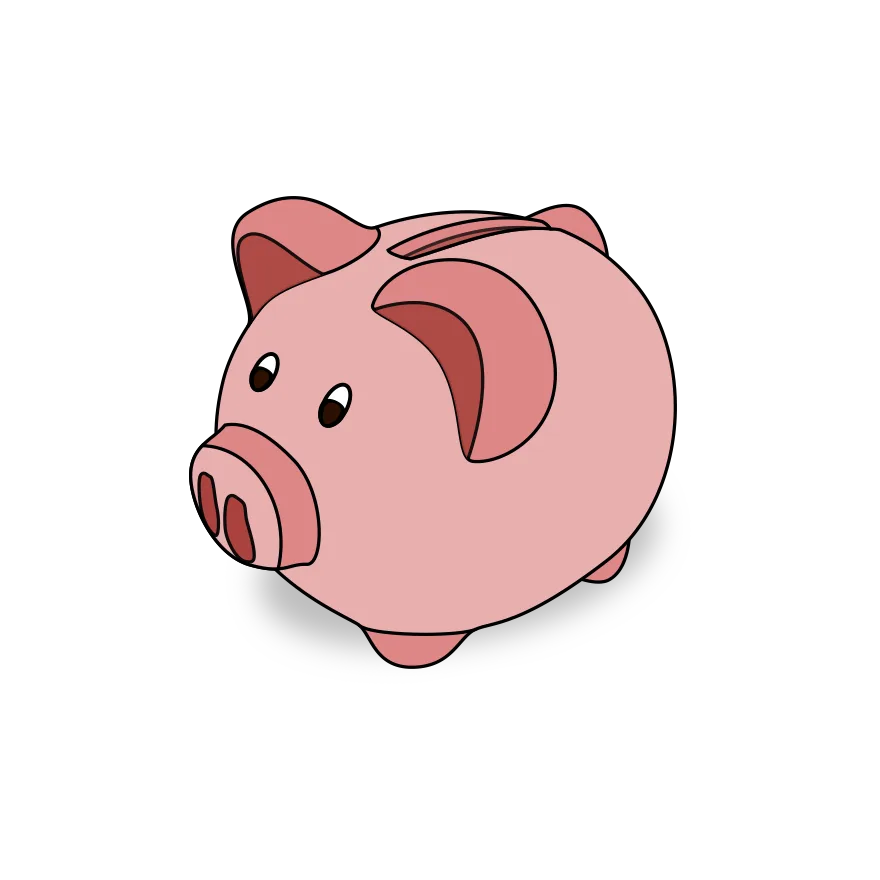
If you want enough money for something important next month, would you save a little each week or spend it right away?
If you want a greener world in 2050, would you choose to walk, bike, or use public transportation when you can, or ask your parents to drive you every time?
How far into the future should we think?
When you make a choice, do you think about tomorrow? Next week? Or next year?
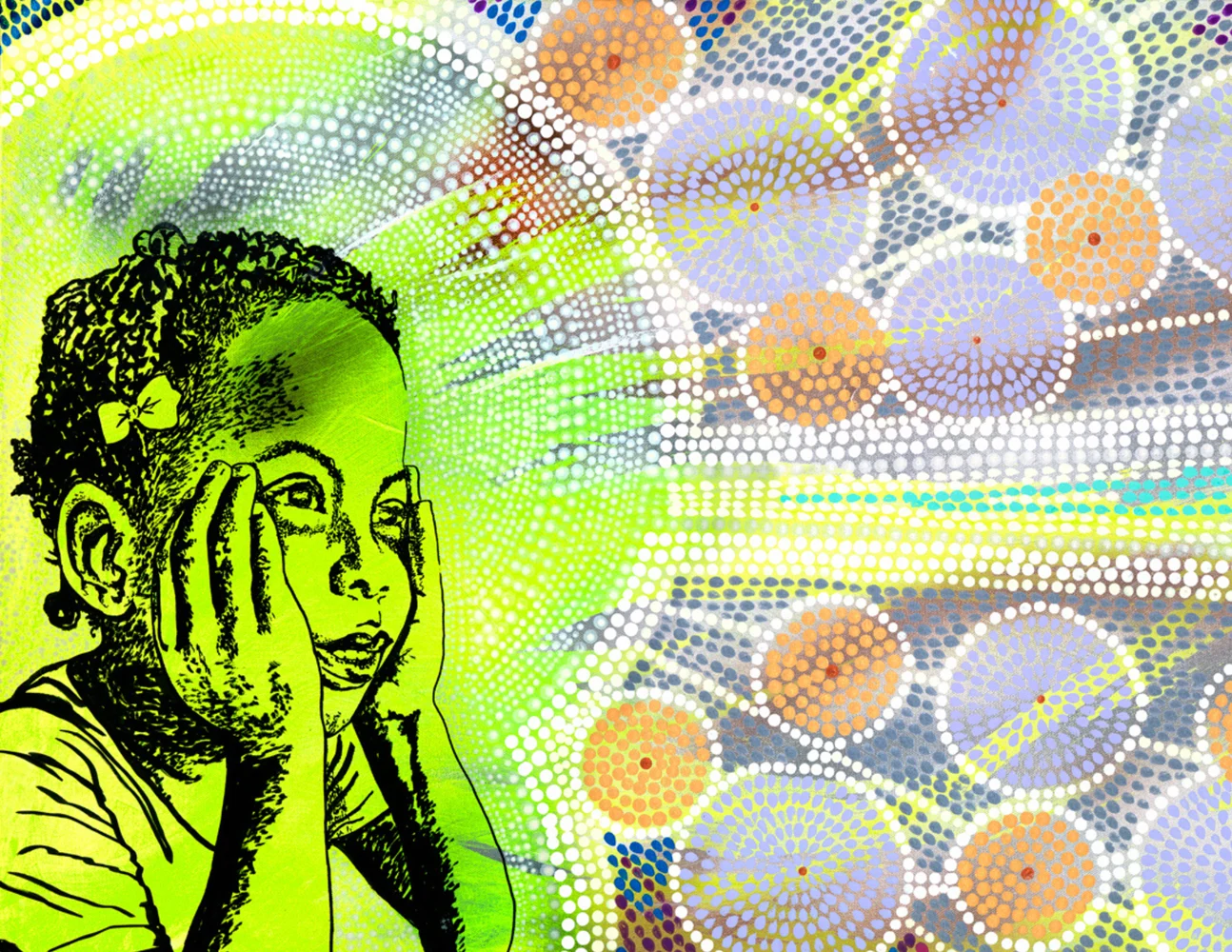
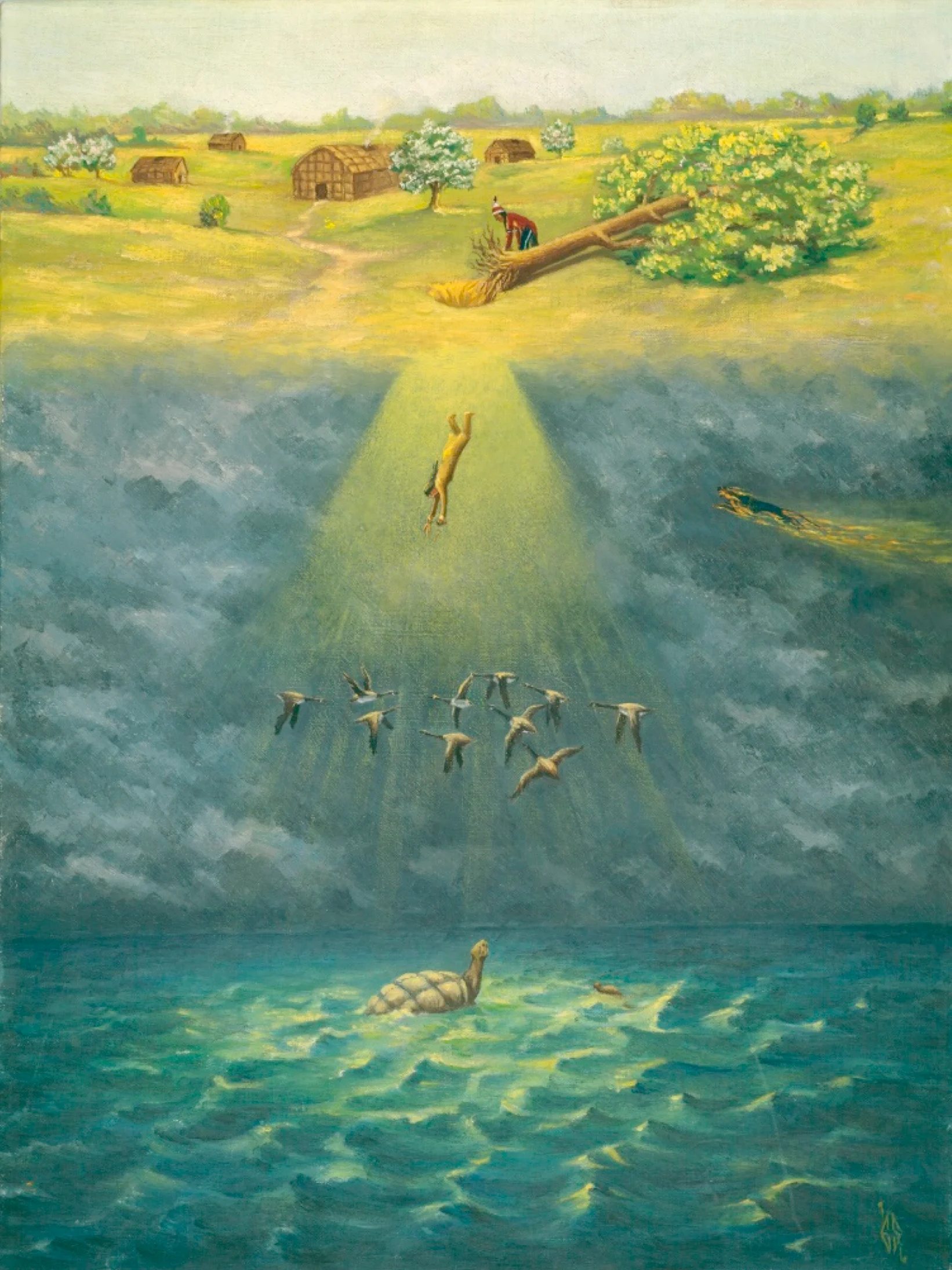
Many Indigenous peoples look much further ahead in their own ways. Before making an important decision, the Haudenosaunee people of North America are guided by this question: How will this affect people seven generations from now? That means thinking more than 100 years ahead!
Look at this artwork. What story could it tell about making choices that help us care for the Earth and future generations?
What changes the future?
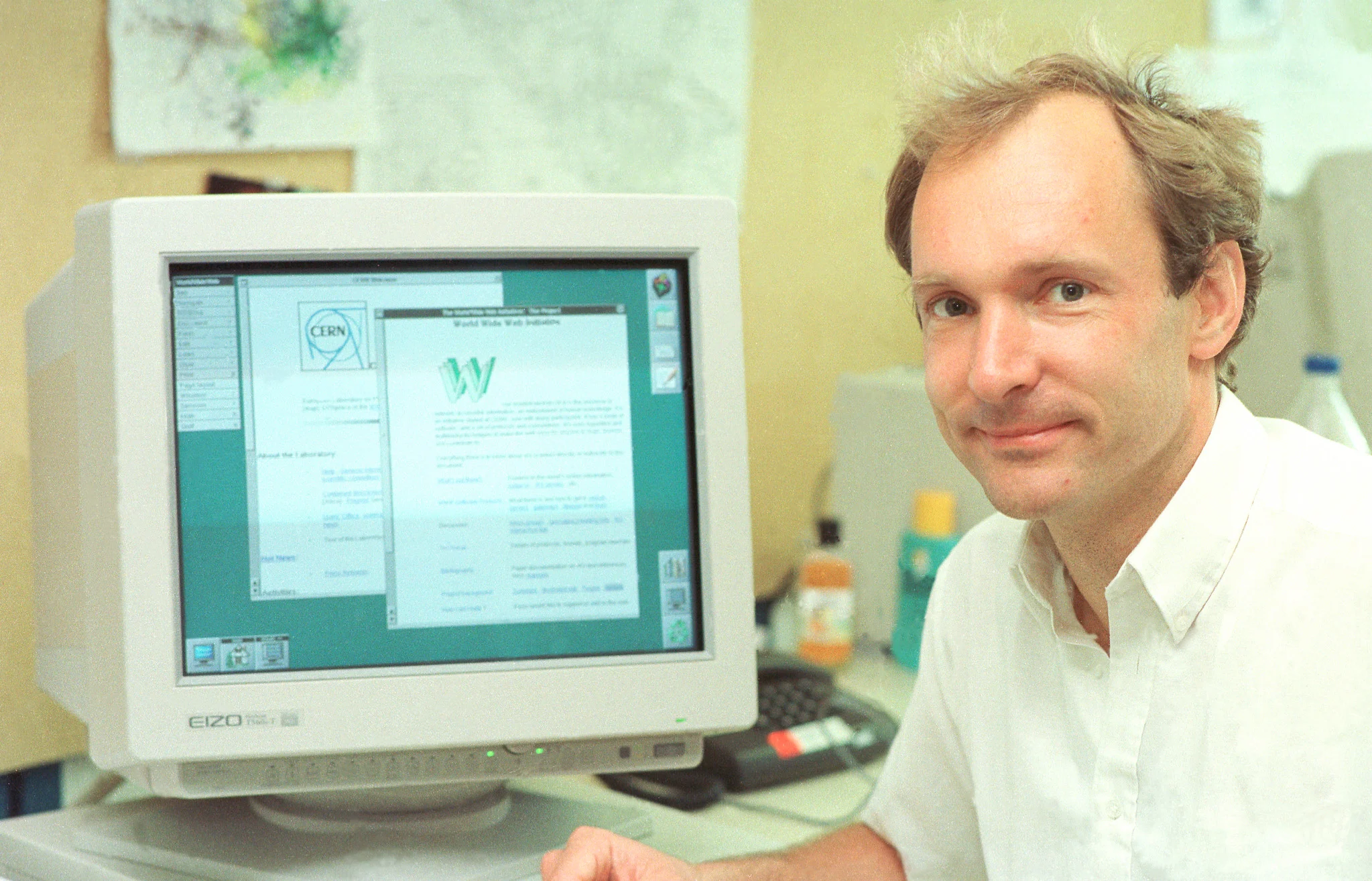
The future can change when people invent new things and choose how to use them. In 1989, Tim Berners-Lee had a big idea: What if we could connect all the world’s information using computers?
That idea became the World Wide Web. This invention changed how people learn, work, shop, and communicate.
Can you think of other inventions that changed people’s lives?
Choices can lead to good or bad things
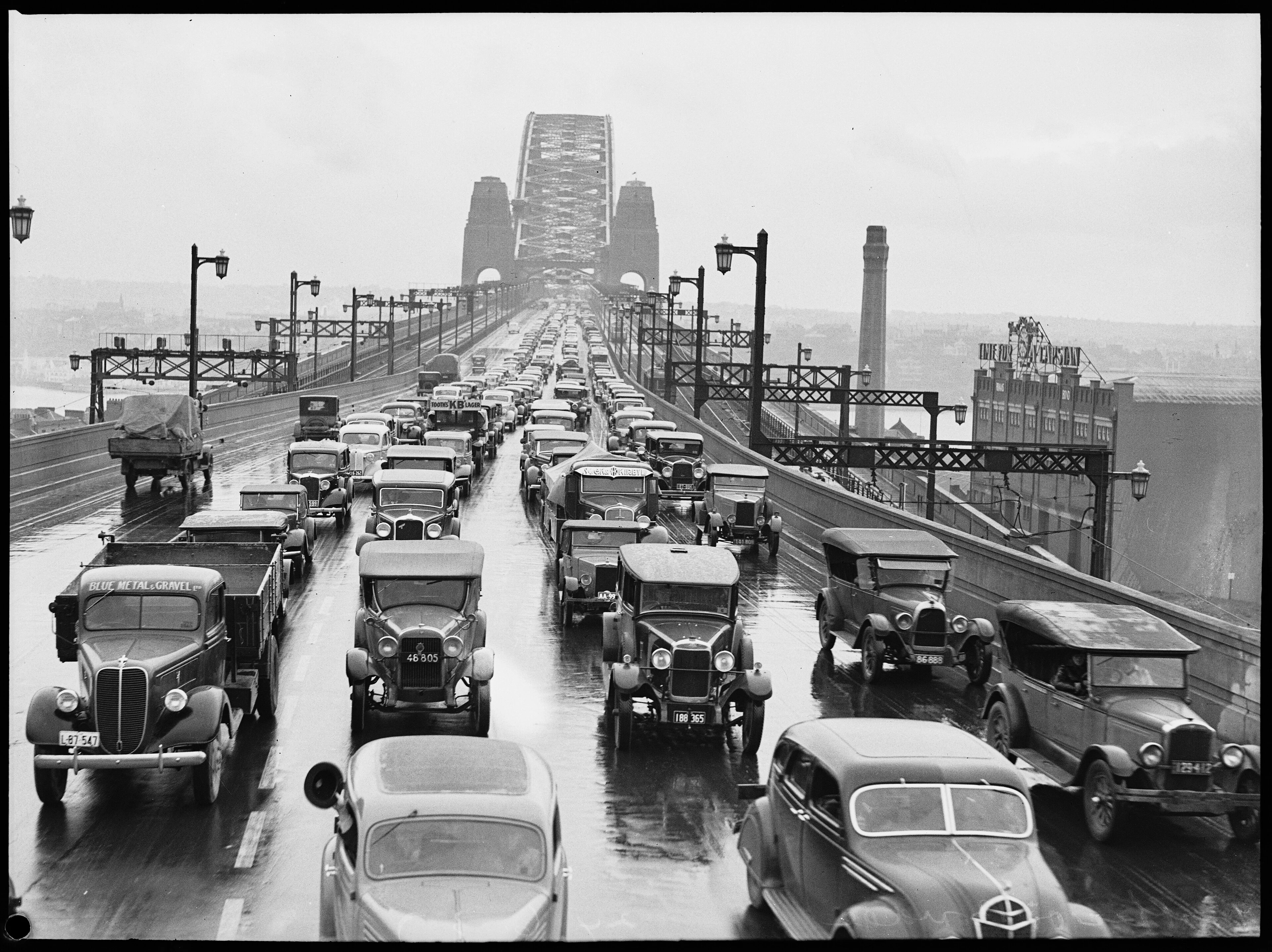
When cars were invented, they made travel faster and helped people visit new places. However, over time they also led to accidents, traffic, and air pollution.
People and governments then made new choices, such as seat belts, speed limits, and cleaner engines.
Did
you
know
?
Futures thinking is a skill
Did you know that thinking about the future is an important skill you can learn? Futures thinking helps you imagine many different futures so you can better understand today and feel ready for change. It can help you come up with new ideas and feel comfortable with not knowing exactly what comes next, so you can be more confident and hopeful about the future.
Imagine the future in 2050
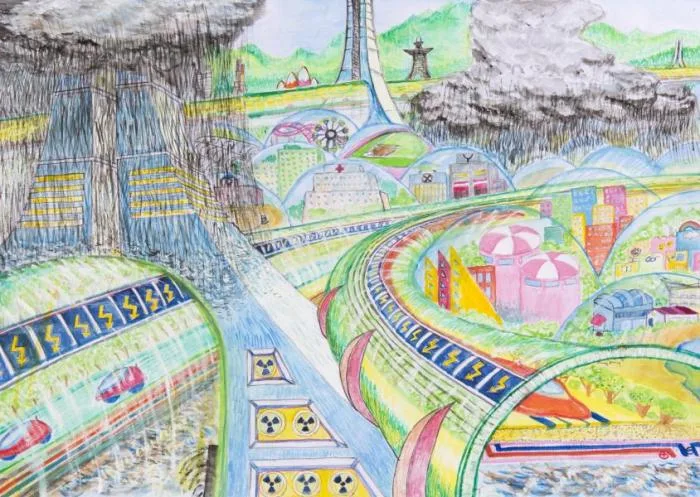
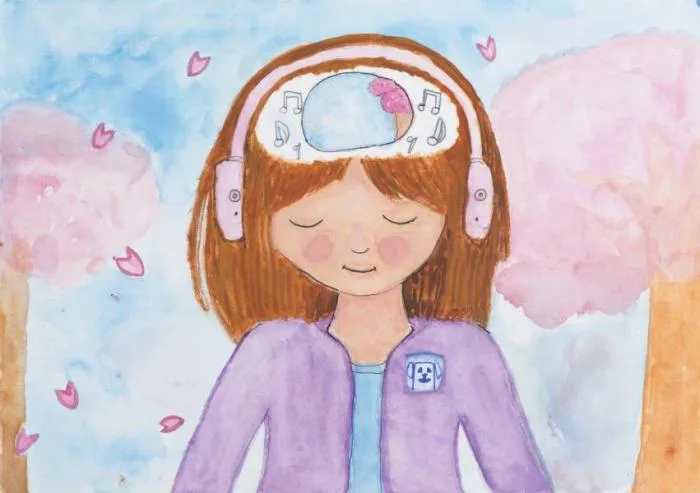
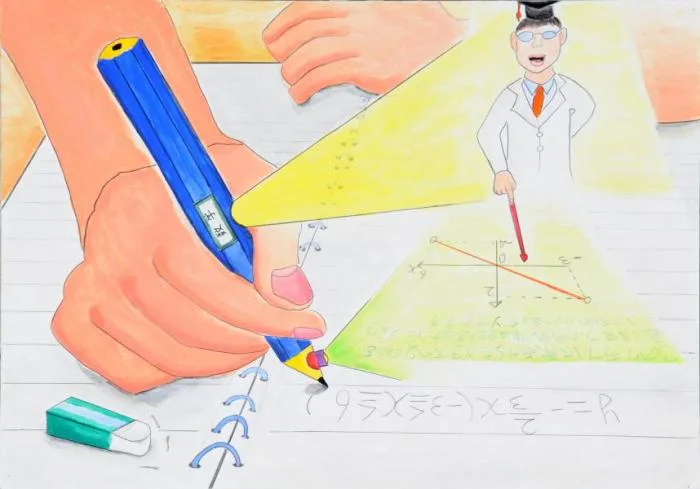
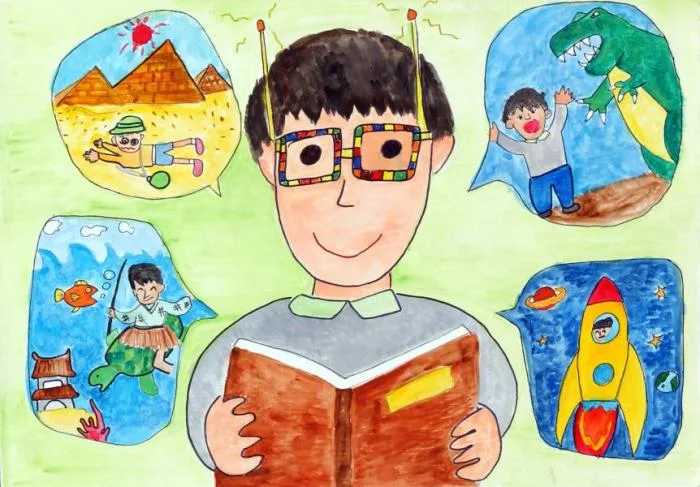
Now it’s your turn to be a futures thinker! Imagine a normal day in 2050. What could be different from today, and what might stay the same? For inspiration, explore this gallery of future visions created by children for the Art Gallery of Children’s Art for the Science of Tomorrow. Then use the worksheets in the Resources section to imagine your own possible futures.
 Engage
Difficulty
Easy
Want to know more?
Learning Objectives
Students can...
Explain what “the future” means to them personally.
Understand why imagining the future is important for decision-making and innovation.
Practice anticipation and futures thinking by exploring multiple possible futures.
Connect imagination to real-world challenges and opportunities for creating a better future.
About the author
This story was written by Traces&Dreams
Traces&Dreams is a Swedish organization working at the intersection of culture and education. They design educational programs and workshops that use storytelling and narrative literacy to help young people and educators make sense of change, question assumptions, and imagine more inclusive futures.
They developed Future Narratives, a narrative literacy methodology and community of practice for educators, youth workers, and activists. They also run FutureFramed TV, a digital library of conversations with researchers and innovators about global challenges and shared futures. Their international collaborations include the Global Young Academy and Women in Science Without Borders.
Bibliography
Brussel Avenir. (2024). What is futures literacy and why is it important for youngsters? https://brusselavenir.be/app/uploads/2024/10/What-is-futures-literacy-and-why-is-it-important-for-youngsters.pdf
Inayatullah, S. (2023). The futures triangle: Origins and iterations. World Futures Review, 15(4), 1–10. https://doi.org/10.1177/19467567231203162
Miller, R., Mortensen, J., & Larsen, N. (2020). What is Futures Literacy? And why is it important? https://www.researchgate.net/publication/341426534_What_is_Futures_Literacy_And_why_is_it_Important
Sheraz, U. (2025, March 11). A rocket to the future – futures triangle for children. Journal of Futures Studies. https://jfsdigital.org/2025/03/11/a-rocket-to-the-future-futures-triangle-for-childrenbu/
UNESCO. (2026). Futures literacy & foresight. https://www.unesco.org/en/futures-literacy
United Nations Children’s Fund (UNICEF) Innocenti. (2023). Designing a youth-centred journey to the future: A youth foresight playbook. https://www.unicef.org/innocenti/media/696/file/UNICEF-Innocenti-Youth-Foresight-Playbook-2023.pdf
Copyright and Licenses
Images in the quizzes
Riley Manifesting by Donna M. Richardson, 2024, Embracing Our Differences, Copyright.
Young Asian girl in a pine forest using a smartphone by scentrio, Adobe Stock, Copyright.
Male middle school students working on a project by Allison Shelley, The Verbatim Agency for EDUimages. CC-BY-NC.
A girl is using a smartphone by Ron Lach, Pexels, free to use.
Huge storm clouds by MR.Zanis, Adobe Stock, Copyright.
Heavy rain and tree in the parking lot by nd700, Adobe Stock, Copyright.
Happy kid catching rain drops in spring park by Olesia Bilkei, Adobe Stock, Copyright.
Boy in orange raincoat by Kate, Adobe Stock, Copyright.