
What can I learn from sounds? | Digital Museum of Learning


 Explore
 Explain
What are sounds?
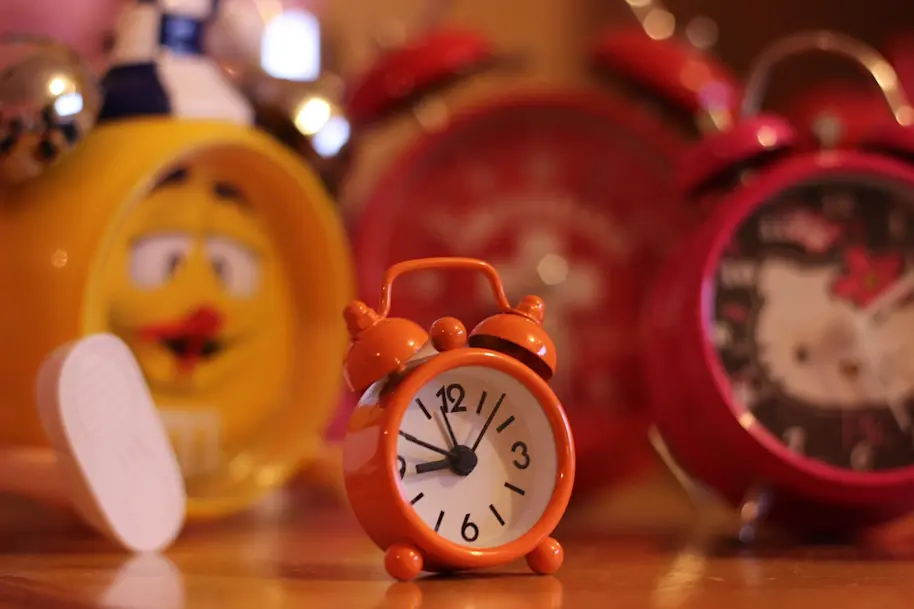
Sounds can tell you what is going on. A ringing alarm clock in the morning means that you need to get up. And your friend's laughter tells you that they're having fun.
Everything that makes a sound creates tiny movements, called vibrations. They cause the air to vibrate as well, and this is the sound that reaches your ears.

Hearing and listening
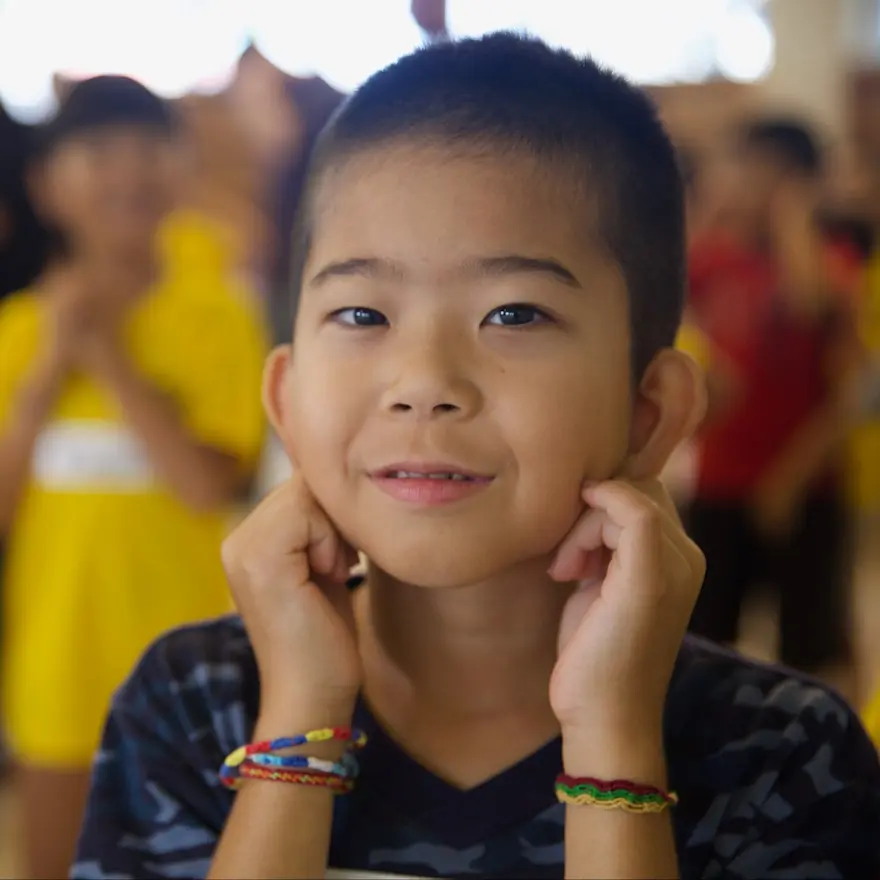
We hear with our ears, but our brains tell us what the sounds mean. Can you tell the difference between a barking dog and a meowing cat? Can you recognize different voices? That's your brain making sense of sounds!
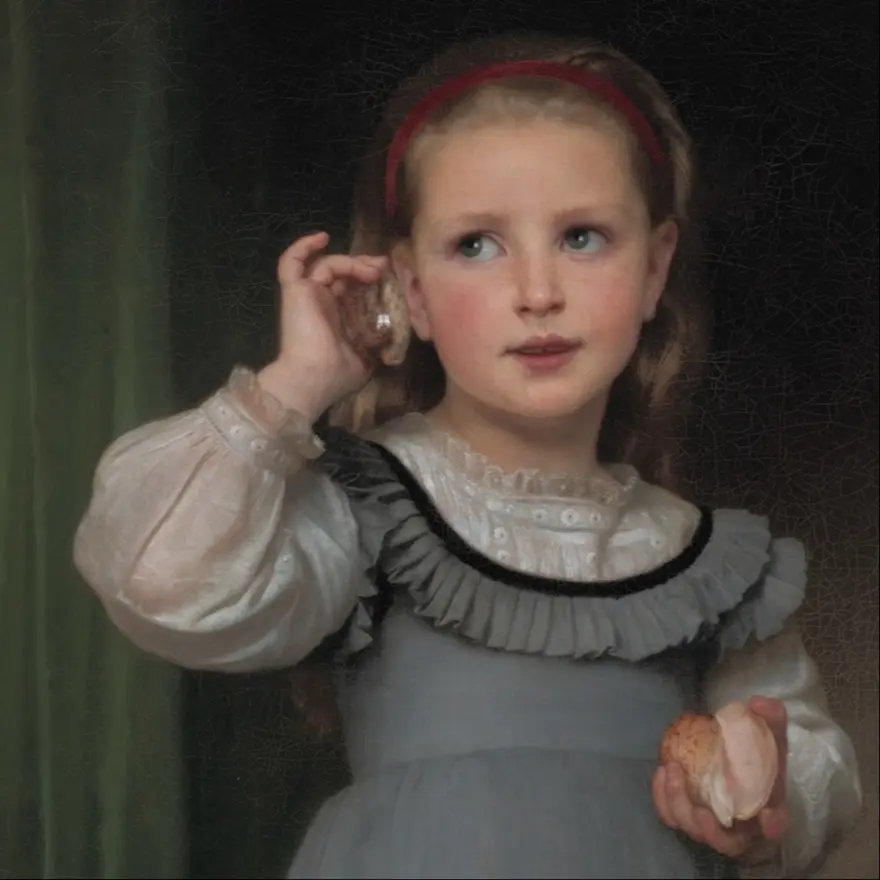
Listening is paying attention to what you hear. You can listen to words, music or other sounds. This girl is listening to the soft rushing sound in a seashell that reminds her of the sea. Sometimes there are many sounds at the same time. Which sounds can you hear right now?
Sending signals to the brain
Our brain can learn from different signals that travel through the eyes, ears, nose, skin, tongue, or special devices. Some hearing aids make sounds louder and clearer, while others send the signals directly to the brain. Noisy places make listening hard for everyone. Try using hand signs, pictures, or writing. What helps you understand each other?
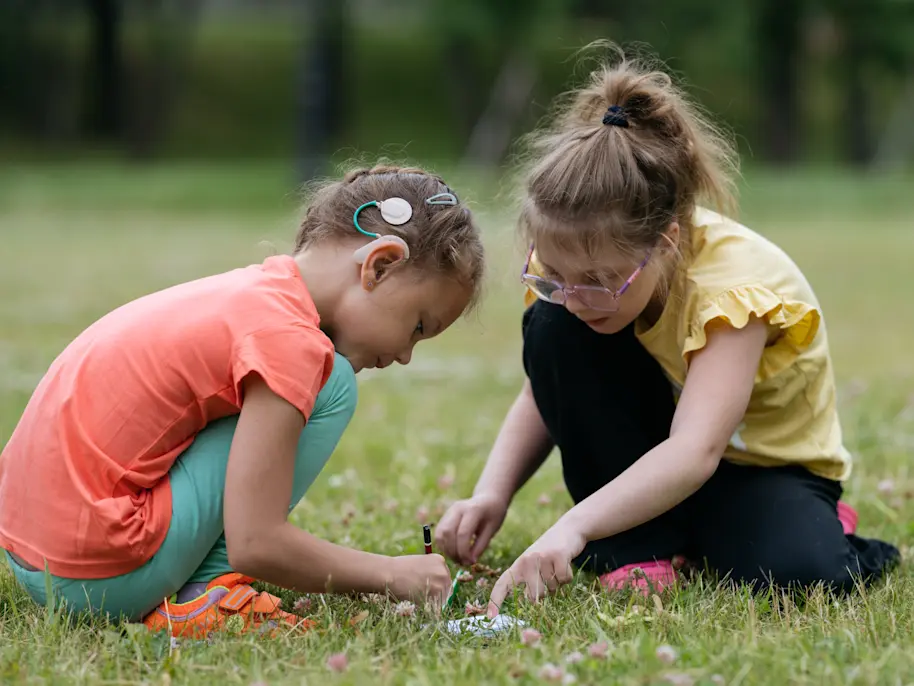
Why do we listen?
Have you ever had a great idea while you were listening to music? Your brain becomes active every time you listen to words, music, or other sounds. This helps you learn and remember new things. It can also give you new ideas or change how you feel, so there can be different reasons to listen.
Learn something new
If you listen, you can learn a lot. You learn by listening to your teacher or classmates, but you can also learn from videos, or from talking with people. What did you learn by listening today?
You learn from the words you hear, but even other sounds can be full of information. For example, if you hear footsteps, you've learned that somebody is nearby -- even if you haven't seen them yet.
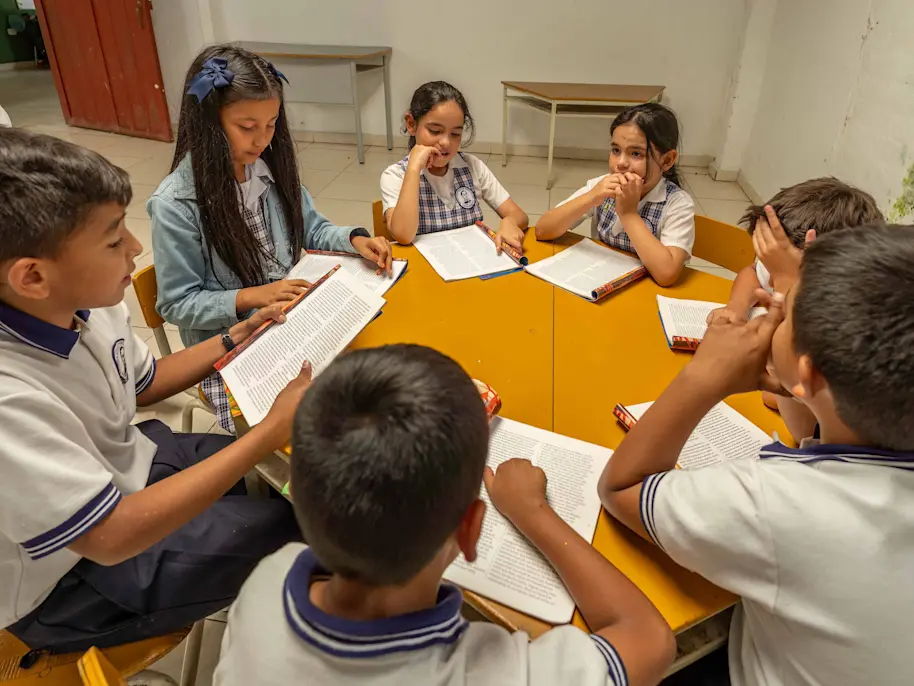
Work your imagination
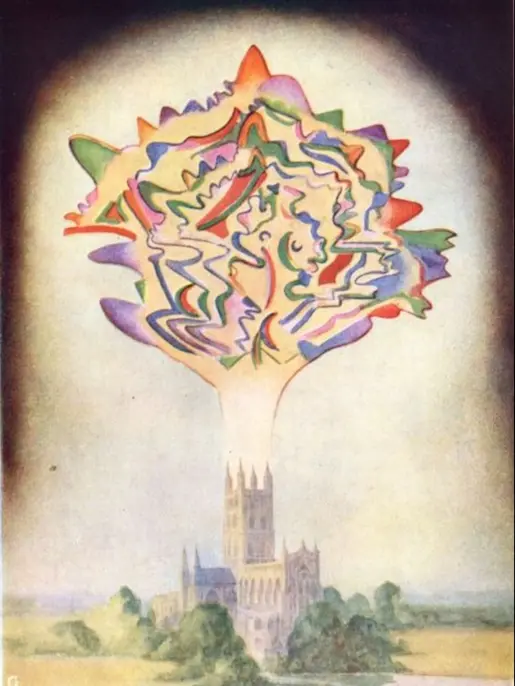
Exciting stories or good music can really capture your attention. They can remind you of something you heard before, which helps you remember. But they can also spark your imagination and help you come up with your own ideas.
Next time you listen to a song or a story, try drawing a picture inspired by what you hear.
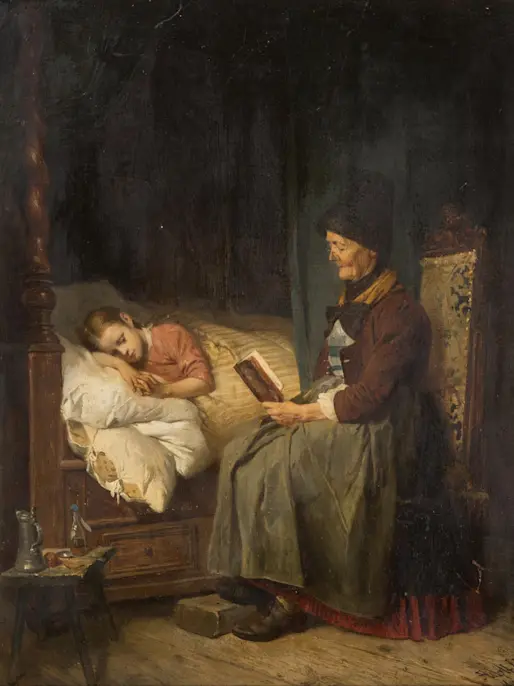
Calm down
Does listening to music or a story help you fall asleep? Sometimes, hearing soft music, gentle voices, or a story can help you feel calm and happy, especially when you're feeling worried or overly excited.
Which sounds make you feel peaceful? Try listening to birds chirping, your favorite song, your friends or family talking, or someone reading you a story.
School on the radio
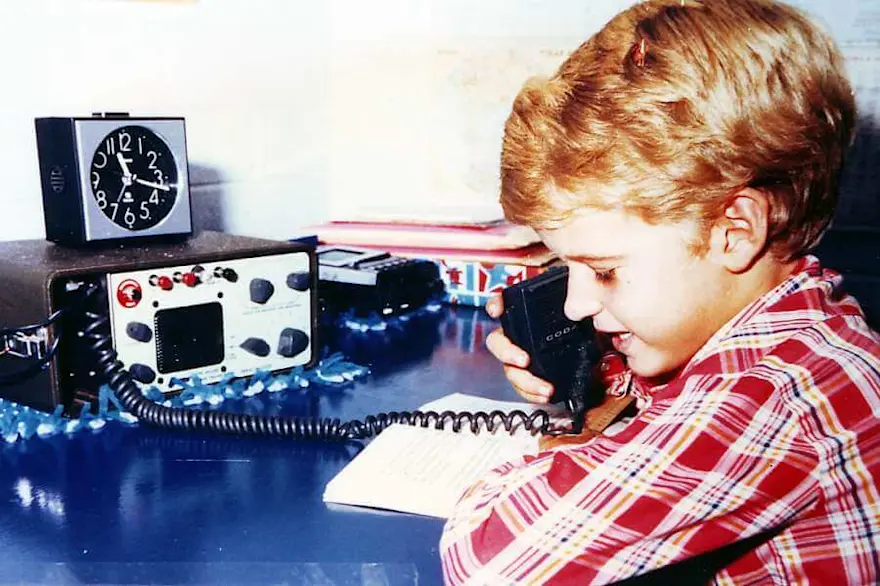
In Australia, kids who live far from school can join the School of the Air. 75 years ago, they had to pedal to power the radio – like riding a bike! Later, they invented a two-way radio to ask questions and get responses. Today, students connect via computer.
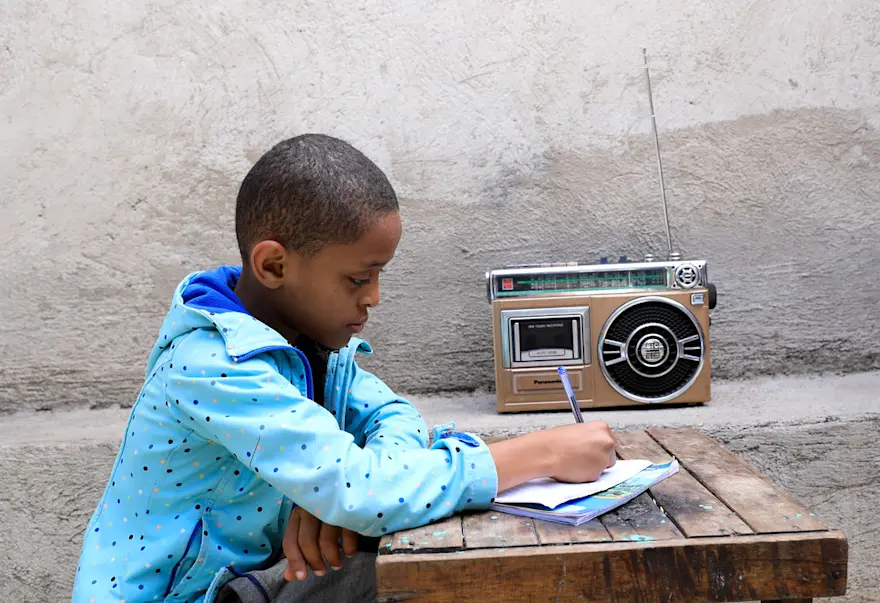
Radio allows kids to join lessons without needing a computer or phone. It’s easy to use, cheap, and reaches faraway places without internet or electricity. When many schools closed during COVID-19, kids in Sierra Leone and Ethiopia could join lessons on the radio.
Making music together
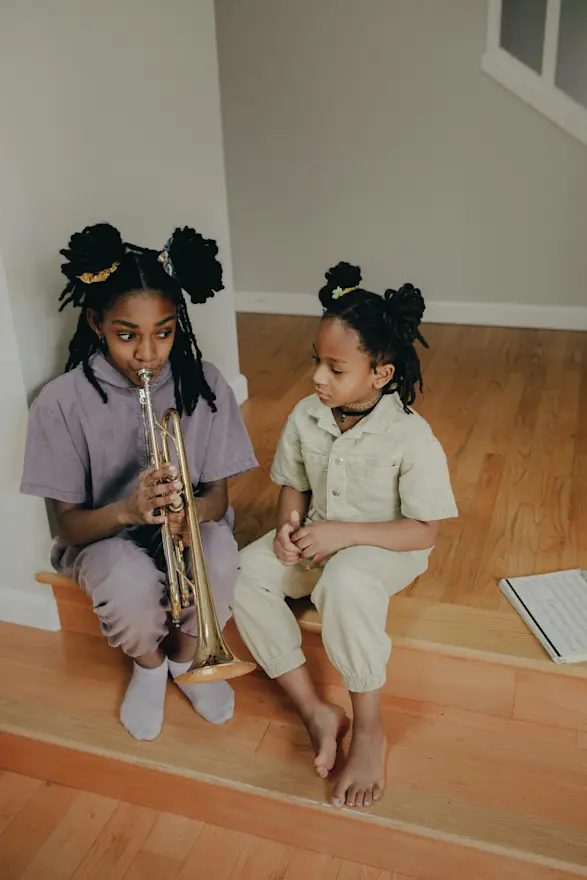
Do you like to sing or play a musical instrument? It's even better if you make music together. By listening to each other play or sing, you can learn how to make music sound its best.
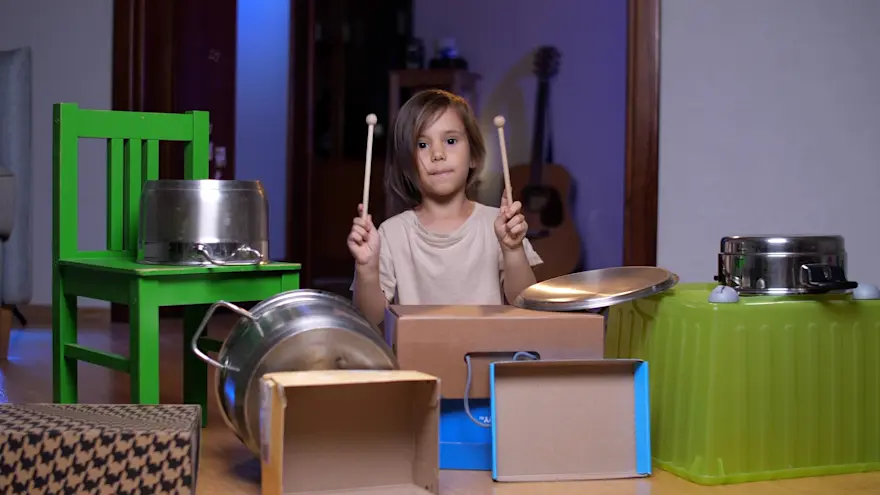
Music is a great way to learn about sounds. It helps you hear tiny differences in how high or low a note is. This is called pitch. You'll also learn to hear subtle changes in volume (loudness) and pick up rhythm and melodies.
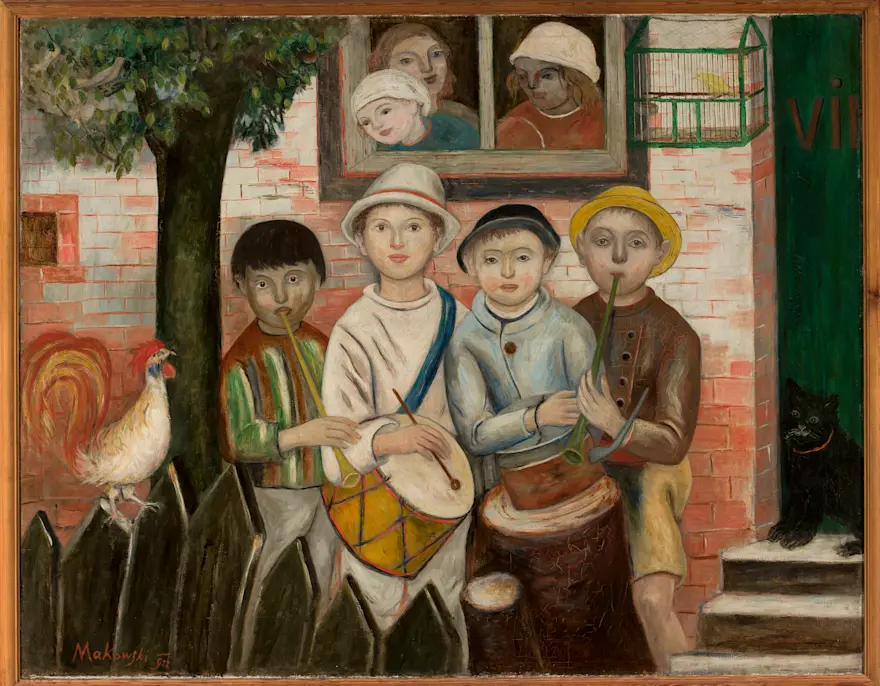
Even though you can play music alone, it's a completely different experience when you play or sing with others. It can help you to make new friends and understand each other better. Making music together makes you feel connected!
Keeping out noise
Not all sounds are useful or enjoyable. Some sounds can be quite annoying, like a door that keeps creaking. Sounds that bother us are called "noise", even if these sounds are not very loud.
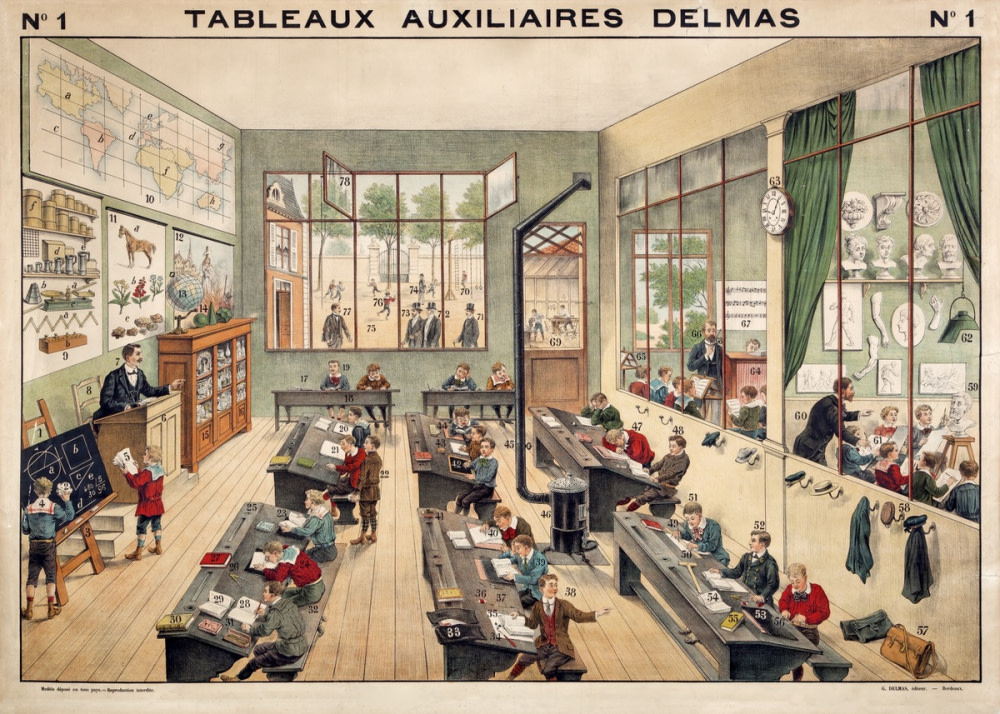
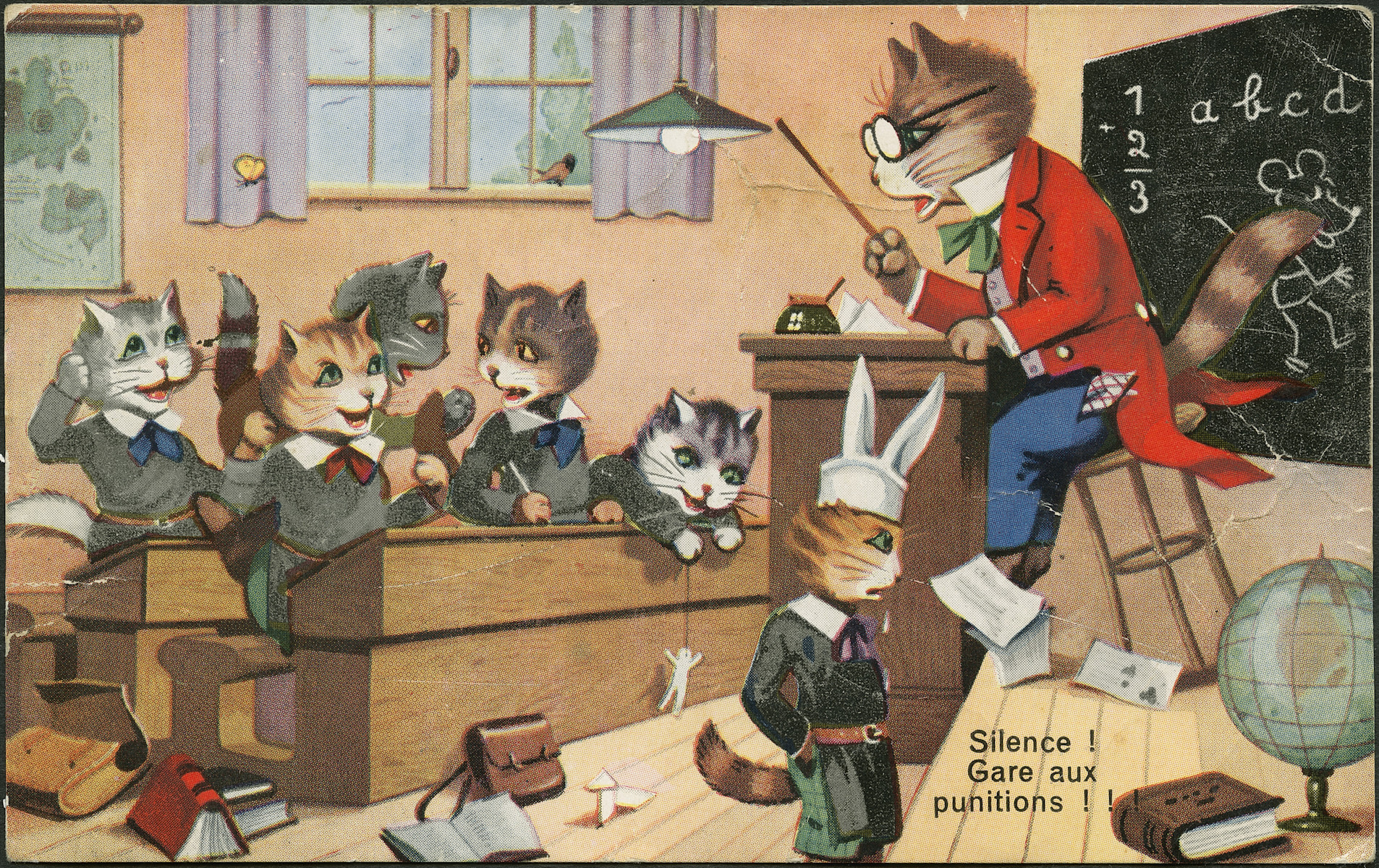
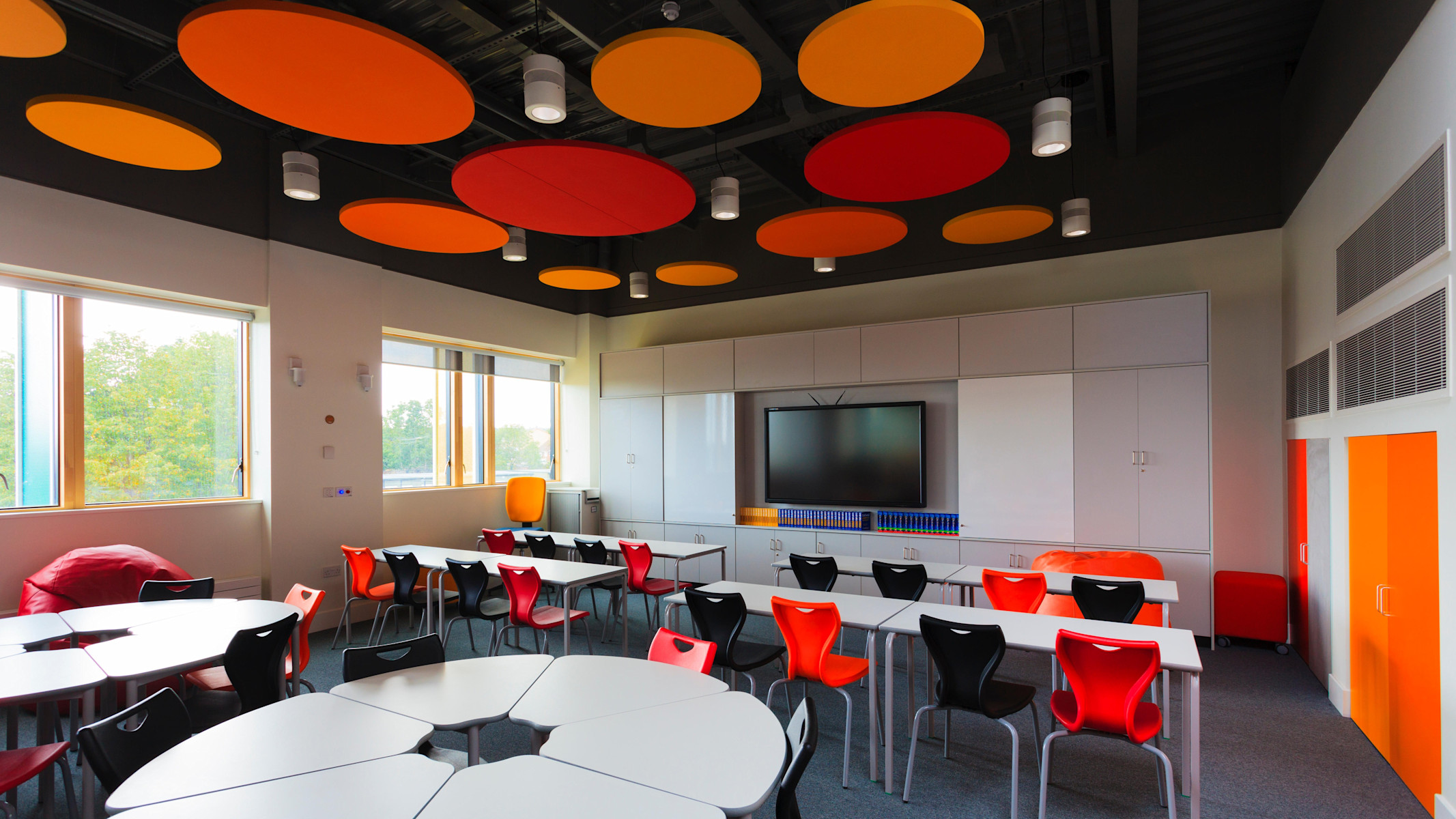
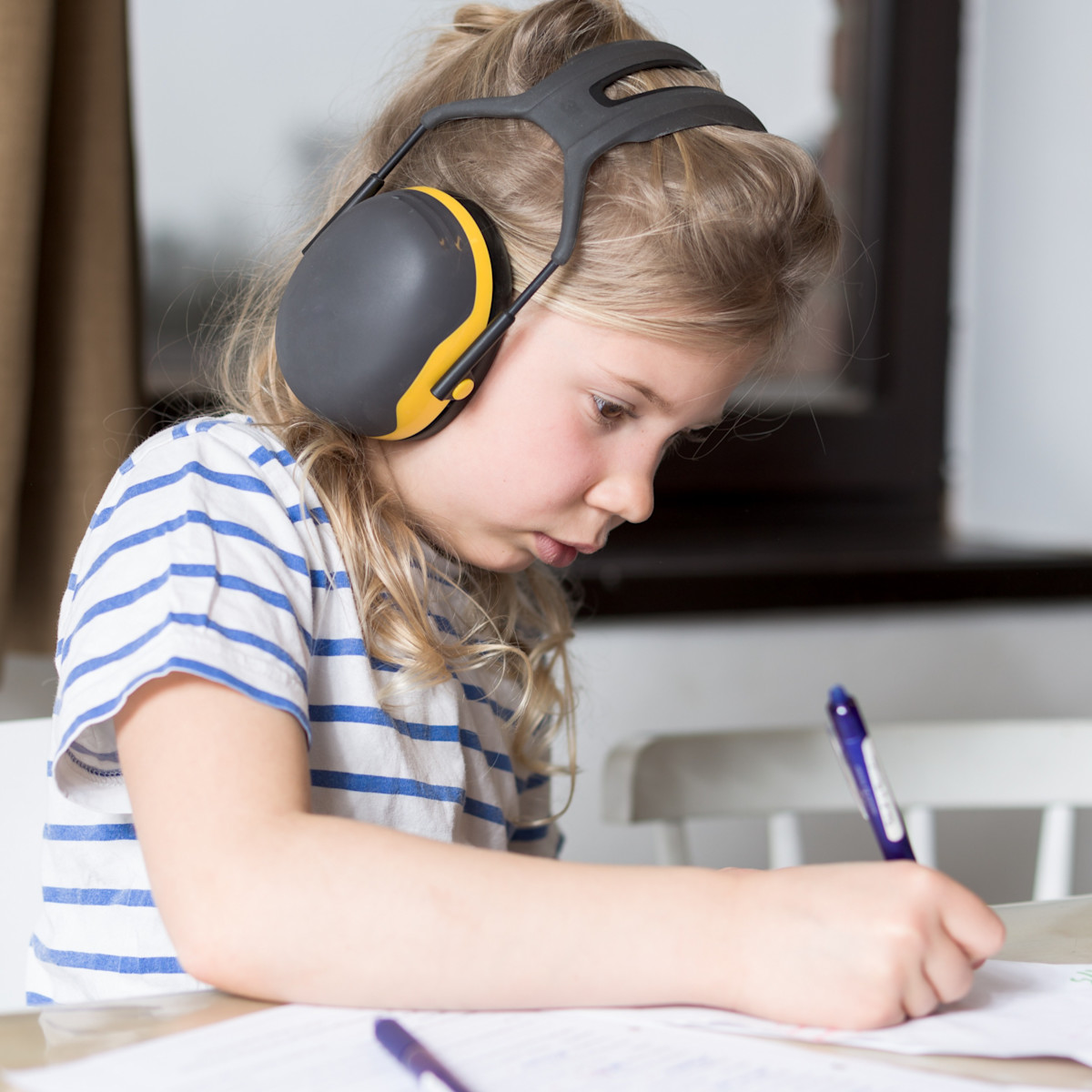
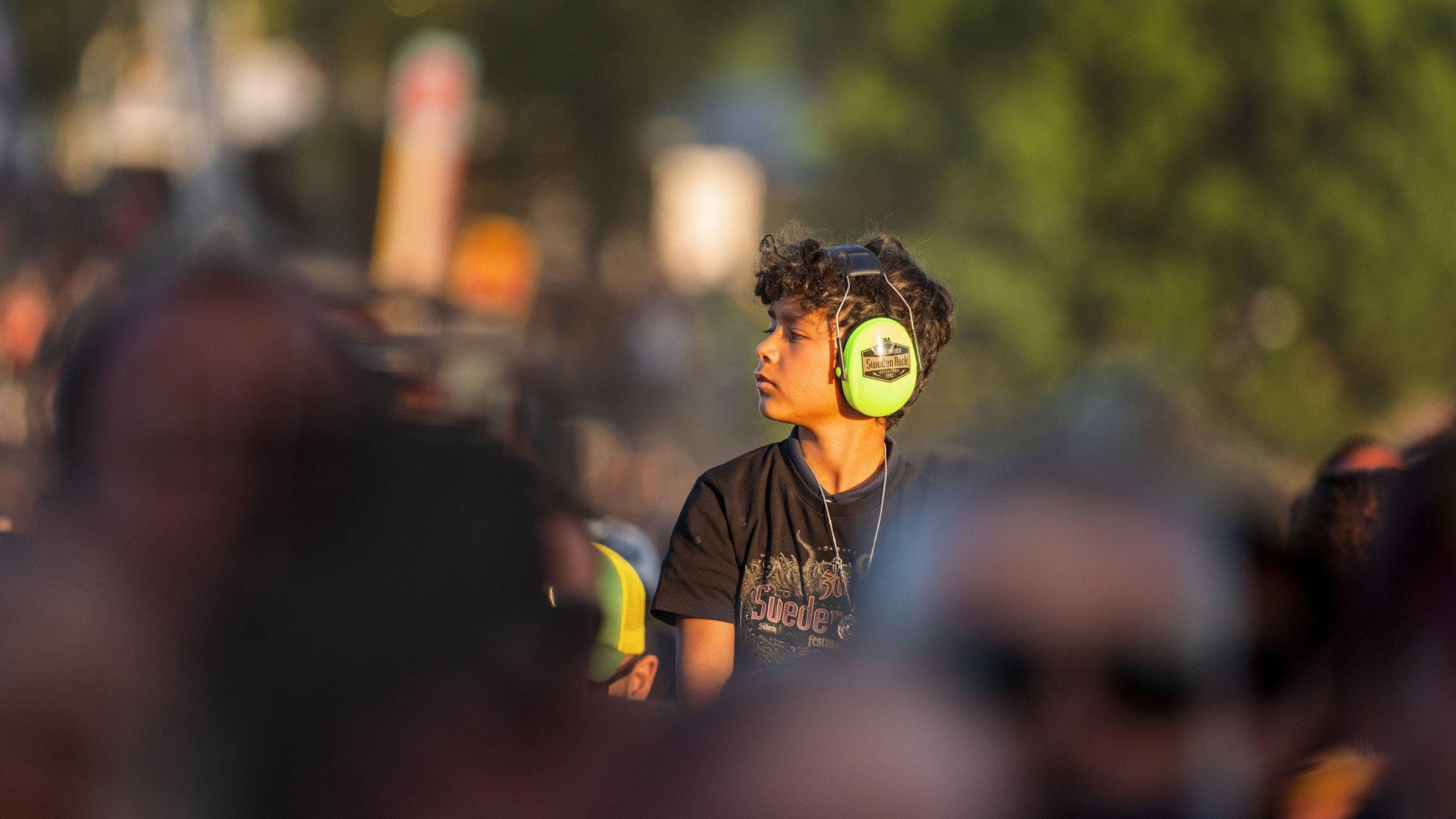
Distracted by noise
Not everyone gets distracted by noise in the same way. We all hear sound differently and our brains don't all process it in the same way. That's why some children can easily work with background noise while others can no longer concentrate.
Powered by

Listening helps with...
Learning new words. The more words you hear, the more you will know.
Learning a new language. If you listen well, it is easier to learn how to say things in other languages.
Reading. Children who are better at listening are also better at reading when they are a bit older.
Be a better listener
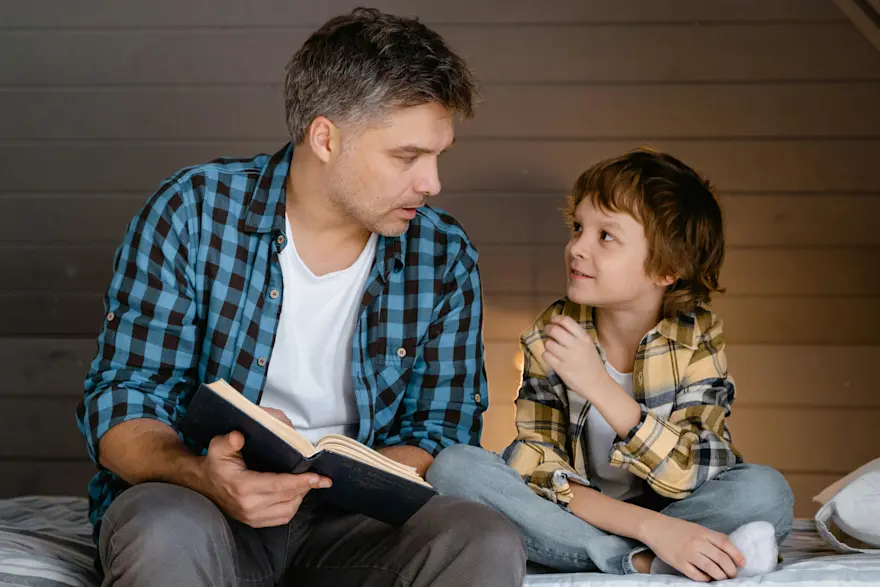
Do you find it hard to listen sometimes? You can try to practice paying attention by actively thinking about what someone is saying. Maybe you can come up with a good question to ask them next. Or try to tell someone else what you just heard.
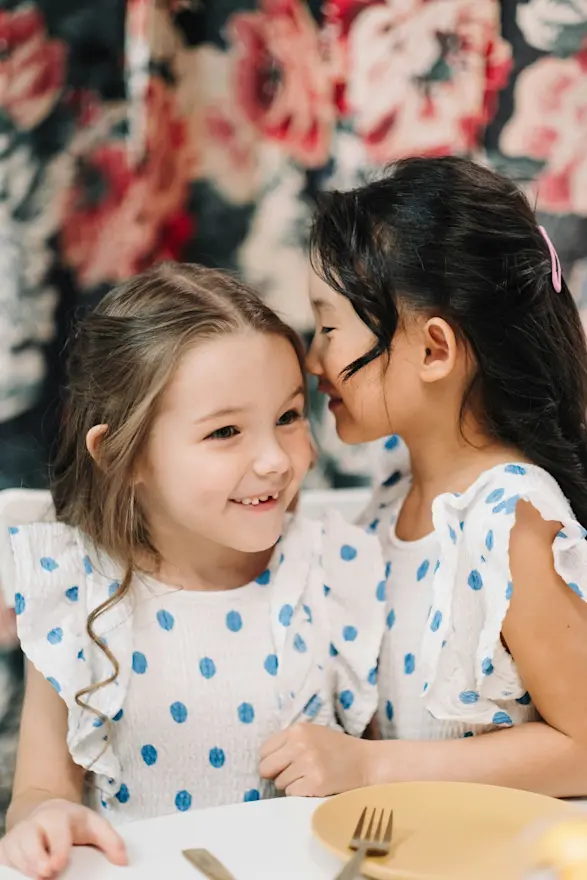
Another way to improve your listening skills is by playing games like the shopping list game. You take turns to come up with items to buy and remember what everyone else suggested. This helps you practice memory, communication and listening.
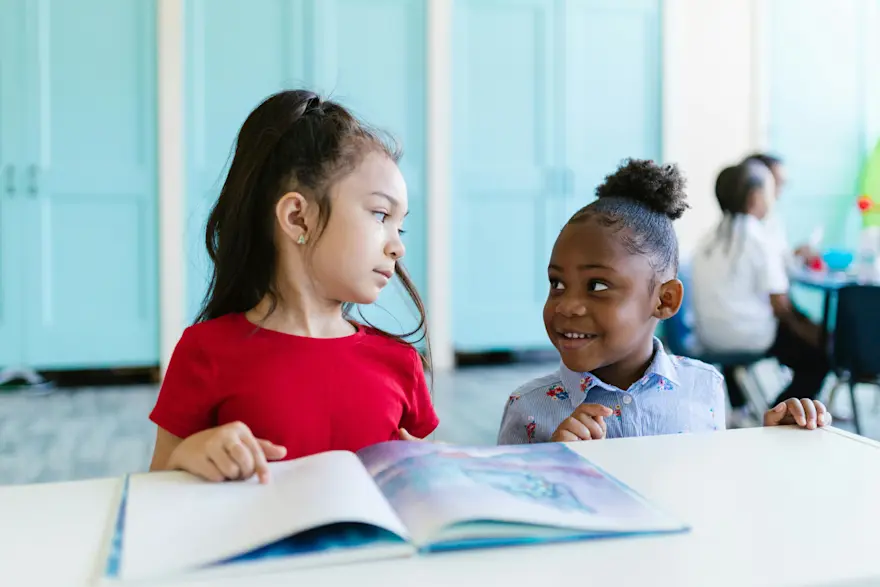
Did you know that reading also helps you get better at listening? It works both ways: being a good listener helps with reading, but reading a lot also helps you become better at listening!
 Engage
Difficulty
Easy
Want to know more?
Learning objectives
Based on Curriculum 21, German-speaking Switzerland, 2026.
The students …
NMG.4.2 for 7+
1a) can explore and describe sound sources and acoustic phenomena (e.g., the rustling of the forest or stream, the singing of birds and humans, kitchen noises, construction or traffic noise, silence)
1b) can develop ideas for protective measures against loud and persistent noises and assess their effectiveness (e.g., headphones, earplugs, noise barriers)
About the author
This story has been written by Eva Amsen
Eva is a science writer and a former scientist. She has written about science, scientists, learning and creativity for magazines and websites. Eva is also the author of the books “Hey There’s Science in This” and “Biology: 100 Ideas in 100 Words”.
Bibliography
Learning through listening
Deans, J., Brown, R., & Dilkes, H. (2005). A Place for Sound: Raising Children’s Awareness of their Sonic Environment. Australasian Journal of Early Childhood, 30(4), 43-47.https://doi.org/10.1177/183693910503000407
Haukedal, C. L. et al. Social communication and quality of life in children using hearing aids. International Journal of Pediatric Otorhinolaryngology 152, 111000 (2022). https://doi.org/10.1016/j.ijporl.2021.111000
Jalongo, M. R. (2010). Listening in Early Childhood: An Interdisciplinary Review of the Literature. International Journal of Listening, 24(1), 1–18. https://doi.org/10.1080/10904010903466279
Lovett, R. E. S., Kitterick, P. T., Huang, S. & Summerfield, A. Q. The Developmental Trajectory of Spatial Listening Skills in Normal-Hearing Children. J Speech Lang Hear Res 55, 865–878 (2012). https://doi.org/10.1044/1092-4388(2011/11-0096)
Kim, Y.-S. & Phillips, B. Cognitive Correlates of Listening Comprehension. Read Res Q 49, 269–281 (2014) https://doi.org/10.1002/rrq.74
Rost, M. Neurological Processing. in Teaching and Researching Listening (Routledge, 2024). https://doi.org/10.4324/9781003390794
Squires, B. & Kay-Raining Bird, E. Self-Reported Listening Abilities in Educational Settings of Typically Hearing Children and Those Who Are Deaf/Hard-of-Hearing. Communication Disorders Quarterly 44, 107–116 (2023) https://doi.org/10.1177/15257401221074412
Van Hedger, S. C. et al. The Aesthetic Preference for Nature Sounds Depends on Sound Object Recognition. Cognitive Science 43, e12734 (2019). https://doi.org/10.1111/cogs.12734
Vrolijk, M., Richardson, D., Cunsolo, S. (2021). How listening develops and affects well-being throughout childhood, Innocenti Working Paper 2021-15, UNICEF Office of Research – Innocenti, Florence. https://doi.org/10.18356/25206796-2021/15
Wright, C. Z., & Dunsmuir, S. (2019). The Effect of Storytelling at School on Children’s Oral and Written Language Abilities and Self-Perception. Reading & Writing Quarterly, 35(2), 137–153. https://doi.org/10.1080/10573569.2018.1521757
Music, stories and learning
Brockington, G. et al. Storytelling increases oxytocin and positive emotions and decreases cortisol and pain in hospitalized children. Proc. Natl. Acad. Sci. U.S.A. 118, e2018409118 (2021).https://doi.org/10.1073/pnas.2018409118
Foran, L. M. (2009). Listening to Music: Helping Children Regulate Their Emotions and Improve Learning in the Classroom. Educational Horizons, 88(1), 51–58. http://www.jstor.org/stable/42923786
Kasuya-Ueba, Y., Zhao, S. & Toichi, M. The Effect of Music Intervention on Attention in Children: Experimental Evidence. Front. Neurosci. 14, (2020) https://doi.org/10.3389/fnins.2020.00757
Kirschner, S. & Tomasello, M. Joint music making promotes prosocial behavior in 4-year-old children. Evolution and Human Behavior 31, 354–364 (2010). https://doi.org/10.1016/j.evolhumbehav.2010.04.004
Lehmann, J. A. M., & Seufert, T. (2017). The influence of background music on learning in the light of different theoretical perspectives and the role of working memory capacity. Frontiers in Psychology, 8, Article 1902.https://doi.org/10.3389/fpsyg.2017.01902
Linnemann, A., Ditzen, B., Strahler, J., Doerr, J. M. & Nater, U. M. Music listening as a means of stress reduction in daily life. Psychoneuroendocrinology 60, 82–90 (2015). https://doi.org/10.1016/j.psyneuen.2015.06.008
Váradi, J. (2022). A Review of the Literature on the Relationship of Music Education to the Development of Socio-Emotional Learning. SAGE Open, 12(1).https://doi.org/10.1177/21582440211068501
Wolf, M.C., Muijselaar, M.M.L., Boonstra, A.M. et al. The relationship between reading and listening comprehension: shared and modality-specific components. Read Writ 32, 1747–1767 (2019). https://doi.org/10.1007/s11145-018-9924-8
Sound and noise in the classroom and beyond
Chimbi, G. T. Pedagogical Innovations During COVID-19 Lockdowns: Learner (In)accessibility to Radio Lessons in Poorly Resourced African Countries. Stud. Learn. Teach. 5, 359–369 (2024). https://doi.org/10.46627/silet.v5i2.377
Eysel-Gosepath, K., Daut, T., Pinger, A. et al. Sound levels and their effects on children in a German primary school. Eur Arch Otorhinolaryngol 269, 2475–2483 (2012). https://doi.org/10.1007/s00405-011-1899-x
Gáborján, A., Koscsó, G., Garai, R., Tamás, L., Vicsi, K., & Hacki, T. (2025). Prevention of noise-induced hearing loss in children – evidence-informed recommendations for safe listening at events. International Journal of Audiology, 1–10. https://doi.org/10.1080/14992027.2025.2467789
Kulawiak, P. R. (2021). Academic benefits of wearing noise-cancelling headphones during class for typically developing students and students with special needs: A scoping review. Cogent Education, 8(1). https://doi.org/10.1080/2331186X.2021.1957530
Lamotte, A.-S., Essadek, A., Shadili, G., Perez, J.-M., & Raft, J. (2021). The Impact of Classroom Chatter Noise on Comprehension: A Systematic Review. Perceptual and Motor Skills, 128(3), 1275-1291.https://doi.org/10.1177/00315125211005935
Massonnié J, Frasseto P, Ng-Knight T, Gilligan-Lee K, Kirkham N, Mareschal D. Children’s Effortful Control Skills, but Not Their Prosocial Skills, Relate to Their Reactions to Classroom Noise. International Journal of Environmental Research and Public Health. 2022; 19(14):8815. https://doi.org/10.3390/ijerph19148815
Massonnié, J., Frasseto, P., Mareschal, D., & Kirkham, N. Z. (2020). Learning in Noisy Classrooms: Children’s Reports of Annoyance and Distraction from Noise are Associated with Individual Differences in Mind-Wandering and Switching skills. Environment and Behavior, 54(1), 58-88.https://doi.org/10.1177/0013916520950277
Massonnié, J., Frasseto, P., Mareschal, D. and Kirkham, N.Z. (2020), Scientific Collaboration with Educators: Practical Insights from an in-Class Noise-Reduction Intervention. Mind, Brain, and Education, 14: 303-316.https://doi.org/10.1111/mbe.12240
Mealings, K. The Effect of Classroom Acoustic Treatment on Listening, Learning, and Well-being: A Scoping Review. Acoust Aust 51, 279–291 (2023). https://doi.org/10.1007/s40857-023-00291-y
Pregowska, A., Masztalerz, K., Garlińska, M. & Osial, M. A Worldwide Journey through Distance Education—From the Post Office to Virtual, Augmented and Mixed Realities, and Education during the COVID-19 Pandemic. Education Sciences 11, 118 (2021). https://doi.org/10.3390/educsci11030118
Rudner, M. et al. Listening Comprehension and Listening Effort in the Primary School Classroom. Front. Psychol. 9, (2018). https://doi.org/10.3389/fpsyg.2018.01193
World Bank Group. School Hits the Airwaves: Sierra Leone Turns to Education Radio as a Response to COVID-19. World Bank. Retrieved August 18, 2025 from https://www.worldbank.org/en/news/feature/2021/05/13/school-hits-the-airwaves-sierra-leone-turns-to-education-radio-as-a-response-to-covid-19
Copyright and licenses
Sounds in the game
Nature
Nature soundscape by Meng Tian for Digital Museum of Learning, CC BY.
Cow mooing by Meng Tian for Digital Museum of Learning, based on "Cow Mooing, South France, Limousin”, courtesy of Epidemic Sound.
Geese honking by Meng Tian for Digital Museum of Learning, based on "Goose chasing away others and ducks”, courtesy of Epidemic Sound.
Person walking in water by Meng Tian for Digital Museum of Learning, based on "Water, Walk, Light, Splahes, very thin”, courtesy of Epidemic Sound.
Home
Home soundscape by Meng Tian for Digital Museum of Learning, CC BY.
Knife cutting by Meng Tian for Digital Museum of Learning, CC BY.
Eating apple by Meng Tian for Digital Museum of Learning, based on "Apple biting and chewing”, courtesy of Epidemic Sound
Robot moving by Meng Tian for Digital Museum of Learning, CC BY.
Classroom
Classroom soundscape by Meng Tian for Digital Museum of Learning, CC BY.
Abacus beads by Meng Tian for Digital Museum of Learning, based on "Abacus beads, moving”, courtesy of Epidemic Sound.
Page turning by Meng Tian for Digital Museum of Learning, based on "Page turn, paper, rustle, flip, movement, soft”, courtesy of Epidemic Sound.
Keyboard typing by Meng Tian for Digital Museum of Learning, based on "Typing on keyboard”, courtesy of Epidemic Sound.
City
African city soundscape by Meng Tian for Digital Museum of Learning, CC BY.
Car honking by Meng Tian for Digital Museum of Learning, based on "Car, Jeep Wrangler 2016, long, Exterior x2”, courtesy of Epidemic Sound.
Ringtone mix by Meng Tian for Digital Museum of Learning, CC BY.
Pedestrian crossing by Meng Tian for Digital Museum of Learning, based on "City, traffic lights, beep”, courtesy of Epidemic Sound.
Zoo
Lion eating by Meng Tian for Digital Museum of Learning, based on “S28-13 Lion eating with a low growl.wav", craigsmith, freesound.org, CC0.
Elephant trumpeting by Meng Tian for Digital Museum of Learning, based on “G12-17-Elephant Trumpeting.wav", craigsmith, freesound.org, CC0.
Boy saying Wow, Meng Tian for Digital Museum of Learning, based on "Boy, 6 Years Old, Says Wow 02”, courtesy of Epidemic Sound.
Music lesson
Violin solo The streets of Cairo by Meng Tian for Digital Museum of Learning, based on hoochie_violin.wav, FreqMan, freesound.org, CC BY 4.0.
Alphabet Song by Meng Tian for Digital Museum of Learning, based on "Primary School, Alphabet Song” courtesy of Epidemic Sound.
Child Snoring by Meng Tian for Digital Museum of Learning, based on “Baby Sleeps 44,1k 32bit", ringhof, freesound.org, CC0.
Plaza Mayor in Bogotá
Church Bell by Meng Tian for Digital Museum of Learning, based on "Church Bell, Bussigny, Inside the Bell Tower, 12AM” courtesy of Epidemic Sound.
Horses trotting by Meng Tian for Digital Museum of Learning, based on "Foley Stage, Horse Trotting Cobblestones” courtesy of Epidemic Sound.
“Barking Dog” by Meng Tian for Digital Museum of Learning, based on "Barking Dog” courtesy of Epidemic Sound.
Radio studio
Radio News Elvis Tour by Meng Tian for Digital Museum of Learning, based on “elvis_radio_announcer.wav", sinatra314, freesound.org, CC0.
Radioshow Summercamp Wednesday, 09.07.25 by Kinderdorf Pestalozzi powerup_radio, Courtesy of Stiftung Kinderdorf Pestalozzi
Writing with pencil on paper by Meng Tian for Digital Museum of Learning, based on "Writing Words, Soft Pencil", courtesy of Epidemic Sound.
Images in the quizzes
Lehrtafel Sprechwerkzeuge, Krankenhausmuseum Bielefeld, CC BY-NC-SA.
Lehrtafel Das Gehör und der Gleichgewichtssinn, Krankenhausmuseum Bielefeld, CC BY-NC-SA.
Lehrtafel Blutkreislauf Ganzkörperdarstellung, Krankenhausmuseum Bielefeld, CC BY-NC-SA.
Noisy room by Eva Hoppe, www.evahoppe.de, Copyright
Fans cheering during the 3rd Cricket Test, Internet Archive Python library 2.0.3, CC0.
Human Male White Newborn Baby Crying by Evan-Amos, via Wikimedia Commons, Public Domain.
Traffic jam near Overtown, Swindon by Brian Robert Marshall, via Wikimedia Commons, CC BY‑SA 2.0.
London Fire Brigade FRU42 – WX71 YJV by Hullian111, via Wikimedia Commons, CC BY-SA.
Up Next