


Meet Alison
Alison Spence Montillet is an English language educator based in Switzerland, where she teaches children aged 6–12 and uses interactive approaches including Content and Language Integrated Learning (CLIL).
Originally from Australia, Alison studied visual arts and museum studies and spent more than two decades working across galleries, libraries, archives and museums, including the National Museum of Australia. Today, she brings that museum background into her language teaching, with a particular interest in using collections and stories to extend vocabulary and give learners new subjects to talk about.
When you’re planning English lessons, what makes you reach beyond the coursebook? What does an outside resource need to give you before you’ll bring it into class?
For me, the course book is a good starting point. It introduces students to new vocabulary and grammar, but I often find that students learn more when they can connect what they’re learning to their own lives. Bringing in things they know from home, their friends, favourite activities or everyday objects can make new vocabulary feel more relevant and easier to remember.
When I choose an additional resource, I want it to give students a reason to participate. It should make them curious, encourage them to use the language and, ideally, make learning feel fun rather than like another exercise. Most children are already comfortable using digital tools, so I’ve found that interactive quizzes and activities can be a good way to capture their attention. They can also encourage students to think, make connections and actively use the language they’re learning, rather than simply memorising it.
How did you first come across the Digital Museum of Learning, and what made you think, “I can actually use this in class”?
I first came across the Digital Museum of Learning while looking for CLIL resources that used museum objects as a starting point for learning. I was really excited to discover this online museum because it offered such a wide range of free resources that anyone could use.
It took me a little while to explore the site and work out which stories and interactive elements would be suitable for the English levels I teach. I then started adapting some of the stories and activities from the Teacher Zone for my own classes.
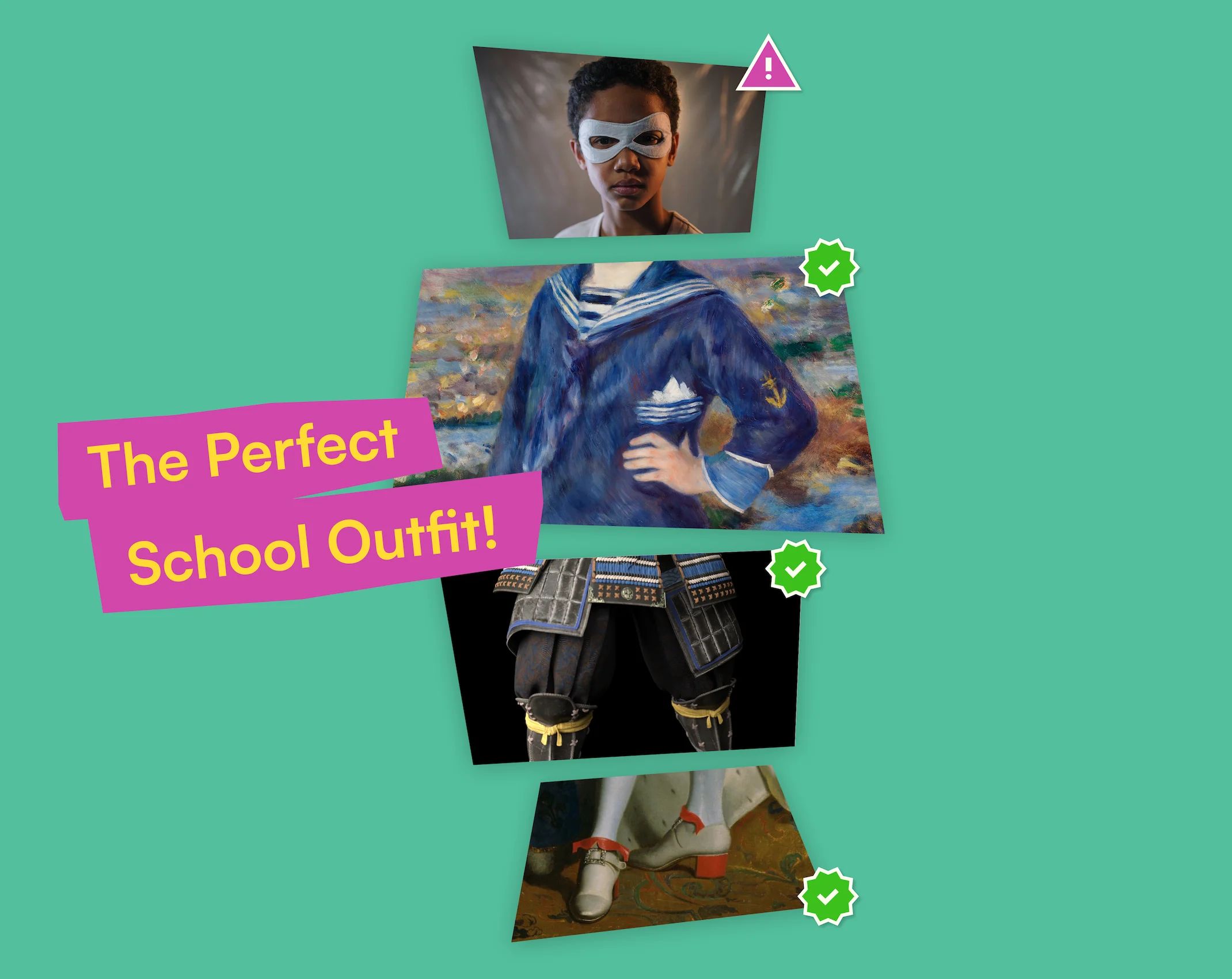
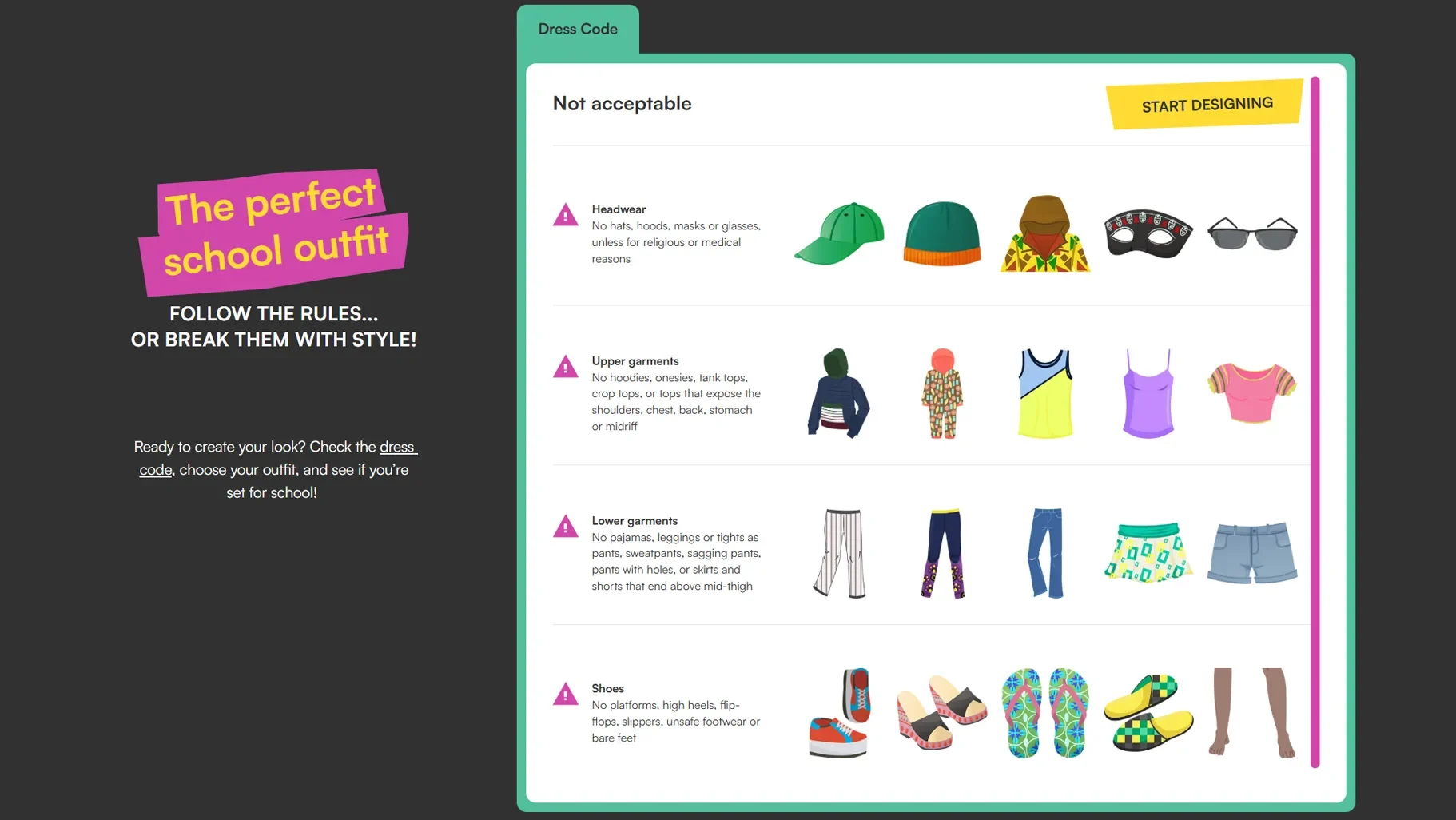
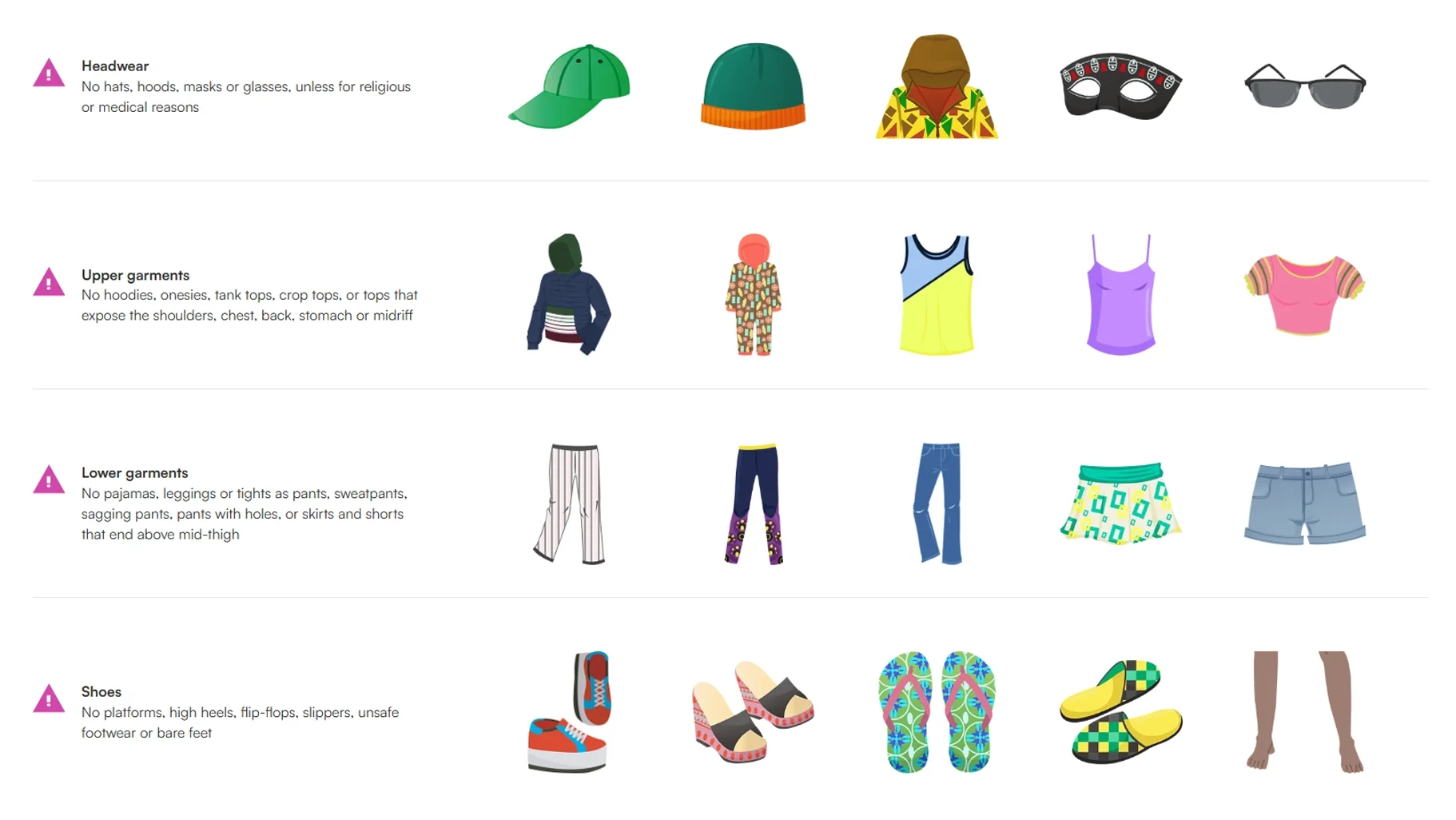
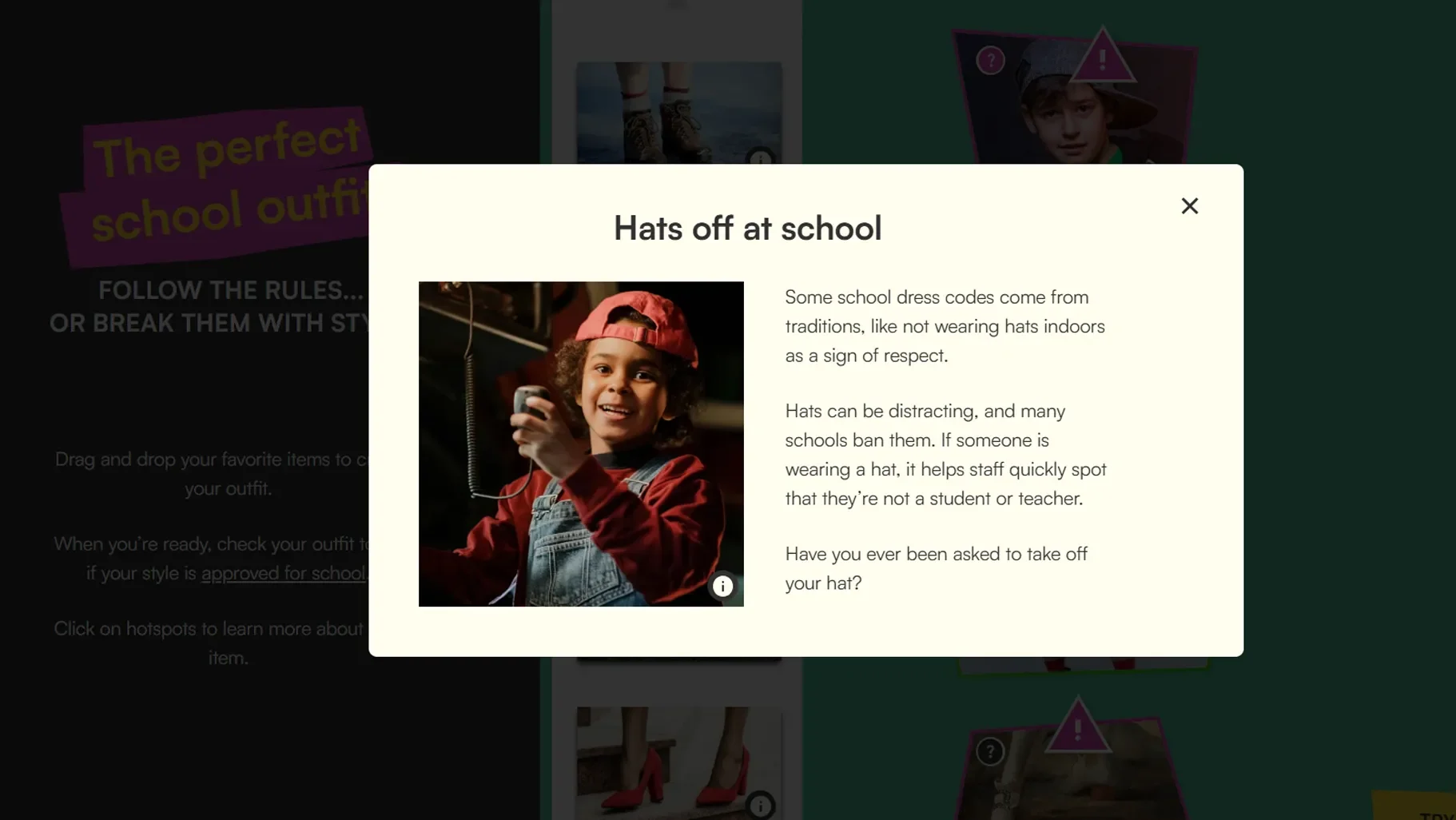
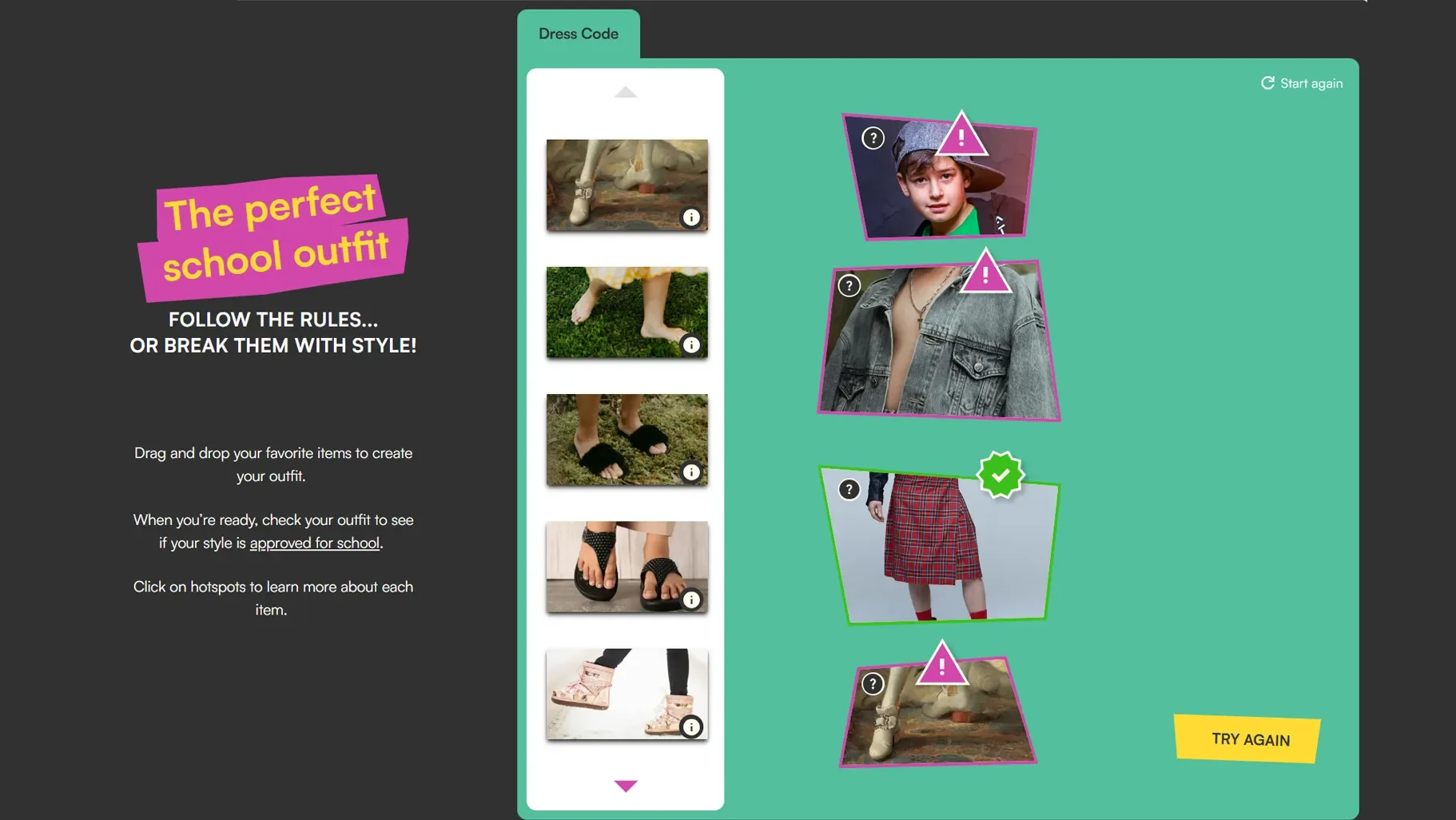
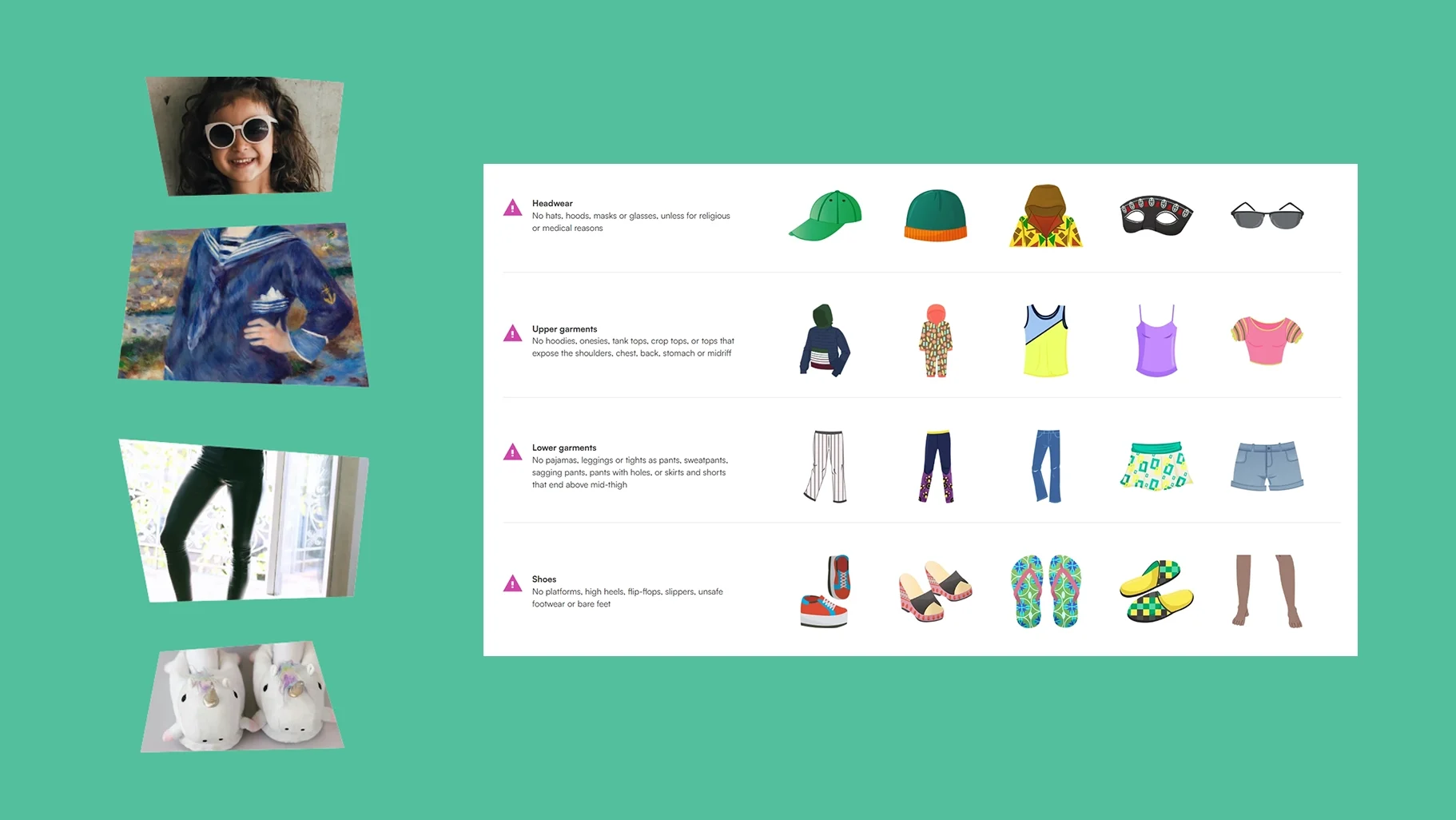
The first story I tried was “Can you crack the dress code?”, which I tested with a small group of children. That was when I realised that the Digital Museum of Learning could be a really useful way of bringing museum objects and stories into my English lessons.
Shortened: A course book can teach words for clothes, food, or classroom objects. A museum collection introduces children to unfamiliar objects, places, and histories. Does learning a language change when the topic itself is new?
When I introduce an unfamiliar subject or object, I usually start by asking students what they think it is. I’m happy for them to say one or two words in their native language because, for me, the important thing is to get them talking and feeling comfortable with sharing ideas and making mistakes.
An unfamiliar object also gives children a reason to use English. They need to ask questions, describe what they can see, make connections, express opinions and work out what something might mean. The language becomes a tool for exploring something they are curious about, rather than simply something they are practising from a course book.
If a student can’t form a question or answer in English, I ask them to give me just one word related to the object or subject. We then build a word web on that word together as a group, gradually turning their ideas into sentences about the object or topic. I find this helps students feel that they have something to contribute, even when they don’t yet have all the language they need.
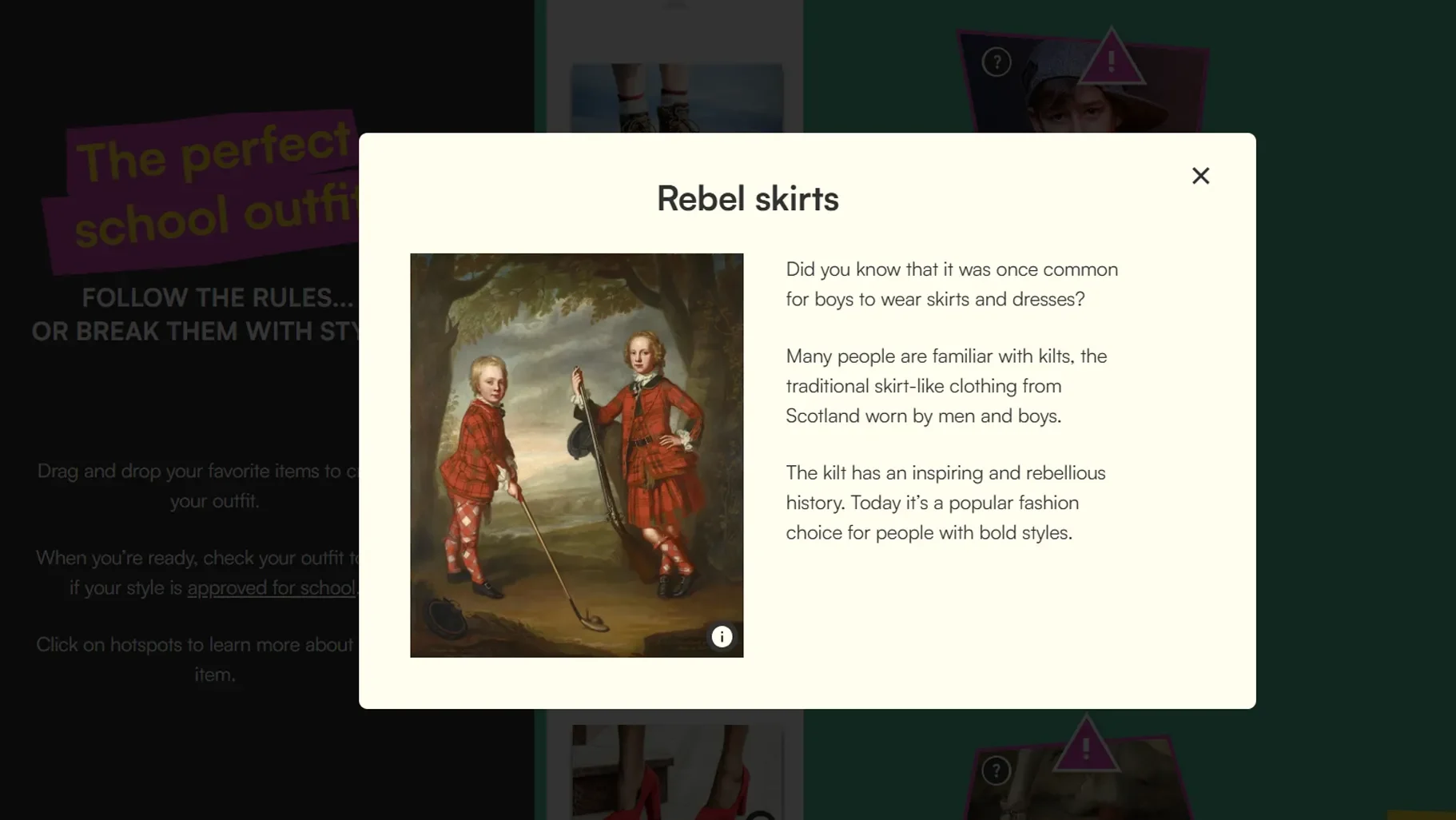
You’ve described using “Can You Crack the Dress Code?” to teach clothing vocabulary, add adjectives, and explore school uniforms around the world.
Can you walk us through how that lesson unfolded in practice, what your students saw or did first, and how you built from there?
You now teach English in a multilingual Swiss context. Do you notice children drawing on the languages they already know when they are trying to work out, remember or use a new English word? What does that look like in practice?
Absolutely. In a multilingual environment, children often draw on the languages they already know, sometimes without even realising they are doing it. I see this particularly when they are trying to guess the meaning of a new English word, and they are amazed when the word is very similar in German or French.
For example, a child who knows French might recognise a connection between important in English and important in French. Even when the connection isn't exact, it can give them a starting point for working out meaning.
Children also use their existing languages to help them remember vocabulary. They may make their own associations between an English word and a French or German word, translate it in their head, or explain the meaning to another child using a language they share. Sometimes you'll hear a mixture of languages in the same conversation as they discover the meaning.
I think this is particularly interesting because multilingualism isn't necessarily something that needs to be put aside when learning English. The languages children already have can become part of the process of learning and remembering the new one.
From around 300 to more than 40,000 words
The Digital Museum of Learning’s new story notes that a child may know roughly 300 words around age two and more than 40,000 by the end of school.
When you look at that scale of vocabulary growth, what interests you most as a language teacher?
What interests me most is that vocabulary growth isn’t simply about gaining more and more words. It’s about building connections between words, experiences and ideas.
As a teacher, I’m interested in how a word changes from something a child has encountered to something they can actually use. A child might recognize a word when they hear it or see it in a story, but that doesn’t necessarily mean they can retrieve it when they need it. There’s a gradual process of noticing, understanding, remembering and eventually using vocabulary independently.
It’s also important to acknowledge how much language children absorb outside the classroom. School is only one part of their linguistic environment. They encounter vocabulary through books, conversations, television, games, the internet, signs, museums and everyday experiences. Every one of those encounters can add another connection.
For me, this is where context is really important. If a child learns a new word in isolation, it can be quite difficult to remember. But if they encounter it in a story, connect it to an image, use it in a conversation and then meet it again a few days later, the word starts to become part of a much larger network.
When a child meets a new English word, what helps them move from recognition to recall and eventually to use? Which approaches have you found yourself returning to with your own learners?
For me, the biggest factor is repeated, meaningful encounters. Seeing a new word once rarely makes it part of a child’s active vocabulary. They need to use it again, but ideally in different contexts and through different activities.
With younger learners, I return to images, actions, stories and games because it gives the word something concrete to attach to. If we are learning enormous or big, for example, I might contrast it with small and have the children use their bodies to show the difference. Later, they might encounter enormous in a story, describe an enormous animal or object, and eventually create their own sentence.
I also like retrieval practice. Rather than continually teaching new vocabulary, bring older words back. A quick question at the beginning of a lesson, a matching game, a picture prompt or asking children to remember words from the previous week can make a big difference.
Another approach is personalisation. Children are more likely to remember a word when they have a reason to use it. Asking “What is the biggest animal you have seen?” gives them an opportunity to connect biggest or enormous with their own experience.
And I think reading is incredibly important. Meeting a word several times in different stories and contexts helps children move beyond simply knowing a translation. They begin to understand how the word connects with other words.
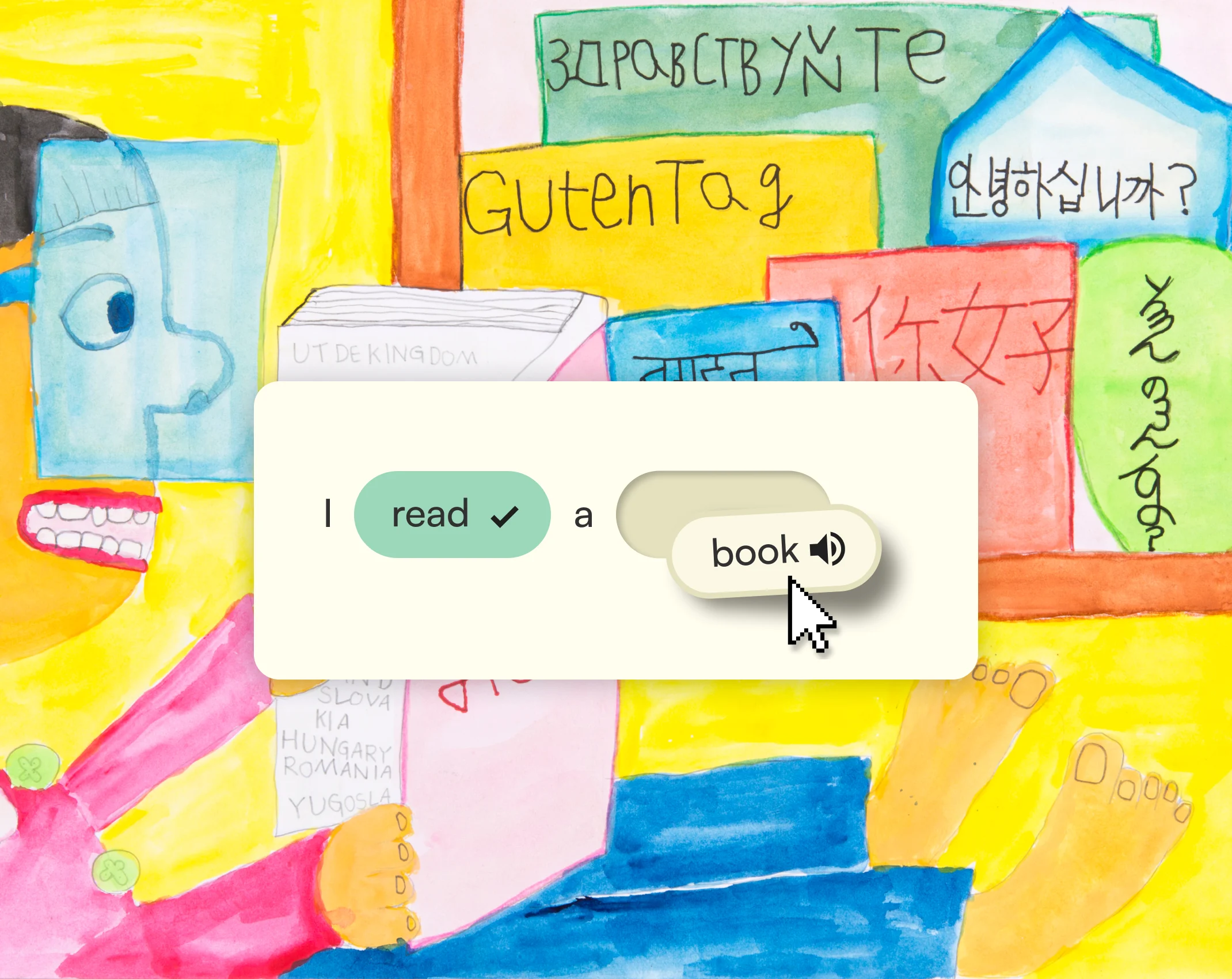
How do we learn new words?
Alison is the writer of the story “How do we learn new words?”, developed in consultation with Professor Natalia Ingebretsen Kucirkova and independently reviewed by Dr Rachel Romeo. The story brings together historical objects, vocabulary-learning strategies, interactive elements and classroom resources.
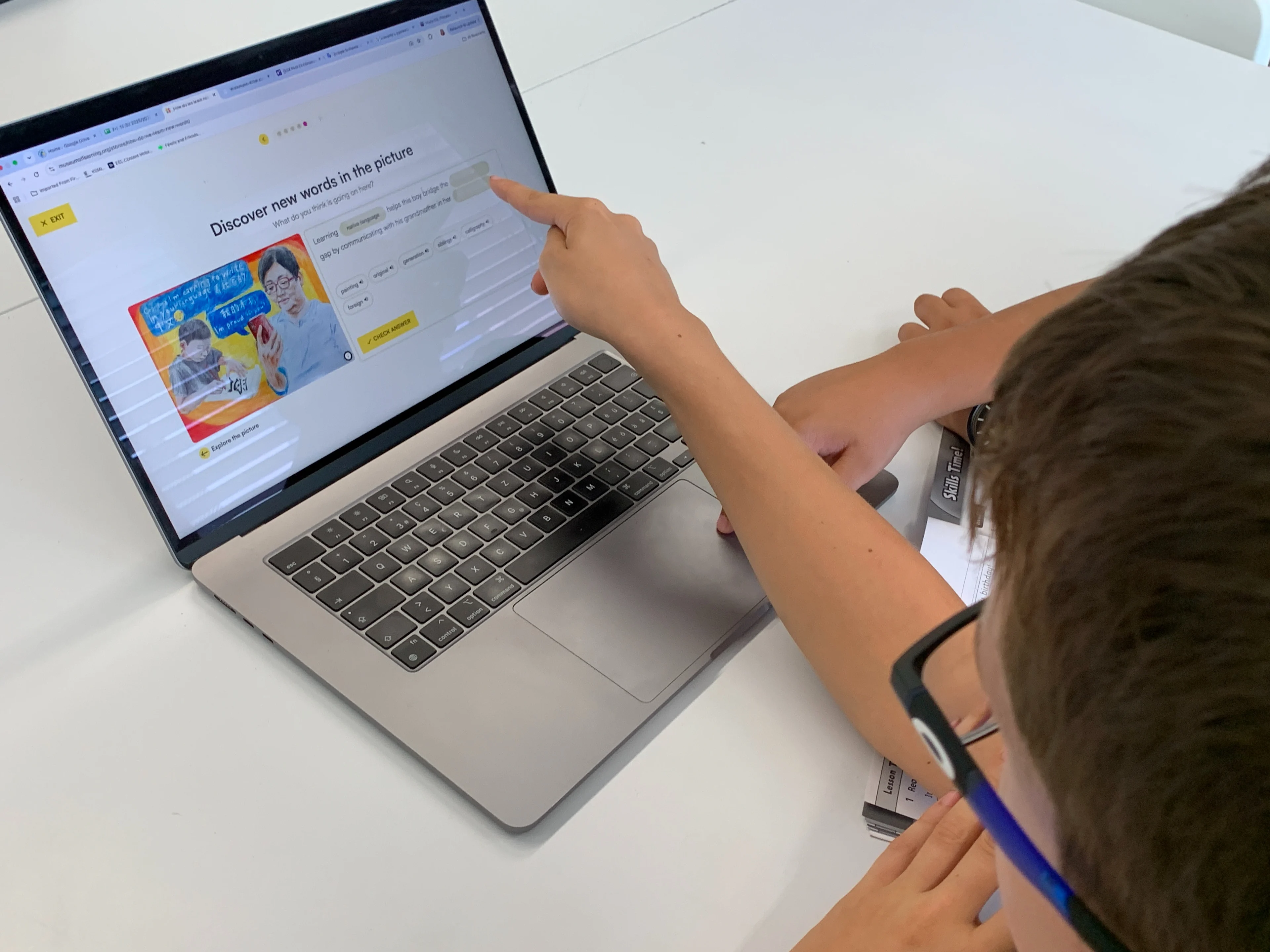
If a teacher opened “How do we learn new words?” with a class tomorrow, where would you suggest they begin, and how could they work with the different parts of the story?
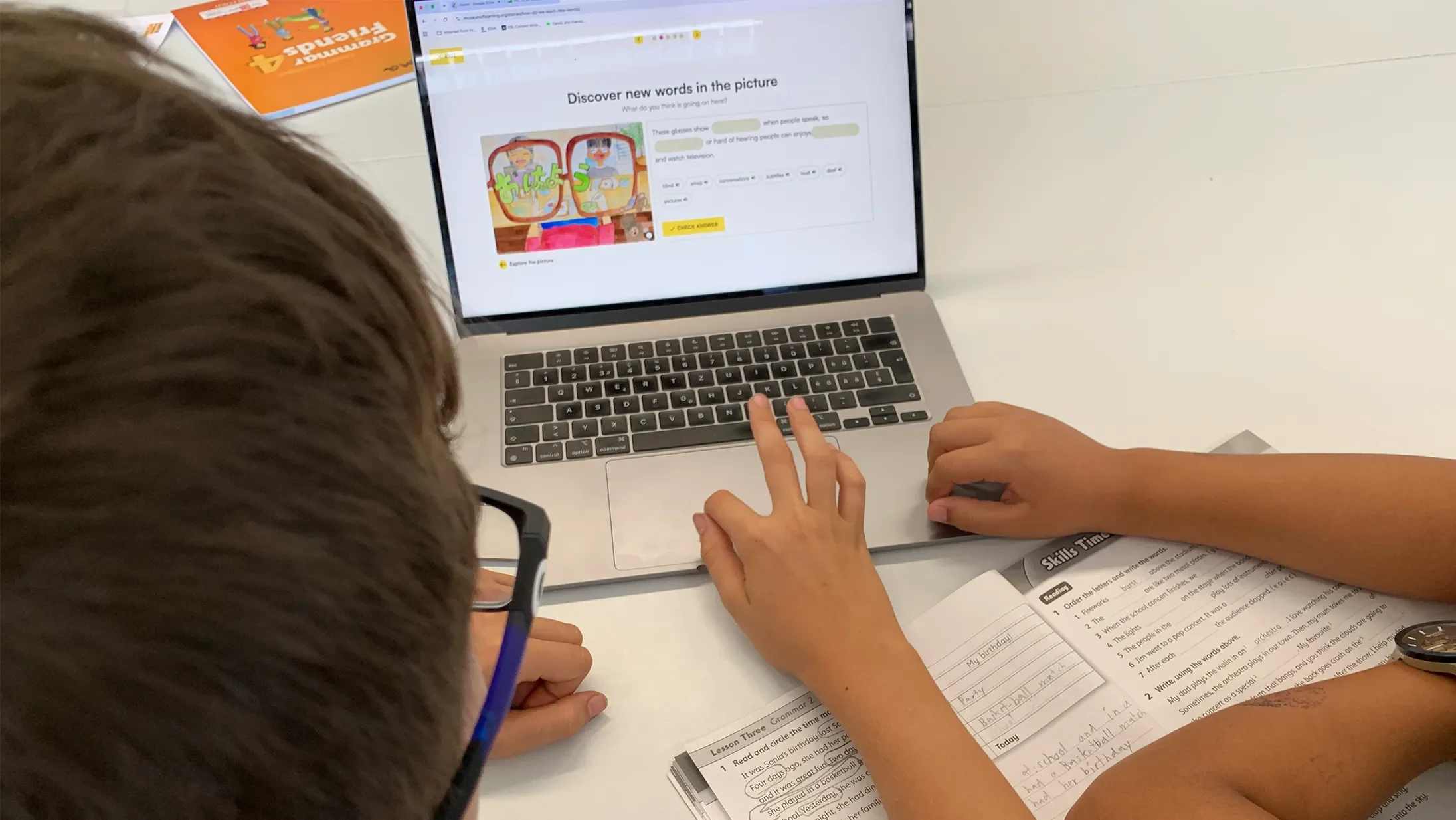
Definitely start at the beginning with the quiz, as there are so many learning opportunities. This ranges from discussing the children’s drawings, listening to word pronunciation and understanding the word meanings. Most of the word pop up boxes have questions to extend discussion.
In the drop and drag sentence section, teachers can also discuss the incorrect words, look at opposite or similar words that could have been used in the sentences. Plus there are two worksheets in the resource section which relate to the quiz. This alone, could be one lesson.

If you could choose a subject for a future Digital Museum of Learning story to use with your English learners, what would you choose, and what kinds of language or conversation would you hope it would open up?
There are so many subjects I would love to see, but I would choose the weather and seasons. There are opportunities to discuss changes in the seasons, the different climates in the northern and southern hemispheres, why we have different seasons, seasonal festivals and foods, climate change and the current environmental impacts.
The kind of language or conversation that it could open up are endless, from a general discussion about weather patterns, to seasonal fruit and vegetables, to global issues, such as melting glaciers, floods and droughts, and the environment around the students.