

An exhibition about Learning with Technologies
Our new exhibition, “Teaming up with Teachnology for Learning”, looks at emerging learning technologies: games, virtual reality, personalized apps, audio, video, and even AI, and asks what they really offer for education. Do they simply entertain kids, or can they deepen understanding and foster essential skills?
When developing this exhibition, we faced a unique challenge: How do we tell the history of learning with technology when many of these tools are so new they barely have a history? Does that history even matter to today’s kids? Or should we focus on the present and help them navigate the tools they use to learn?
We decided to take on this challenge! Along the way, we experimented with new ways to showcase scientific content and partnered with researchers and science writers to bring the science of learning to educators and children.
To begin, we present the first three stories from the exhibition.
Explore coding in playful ways
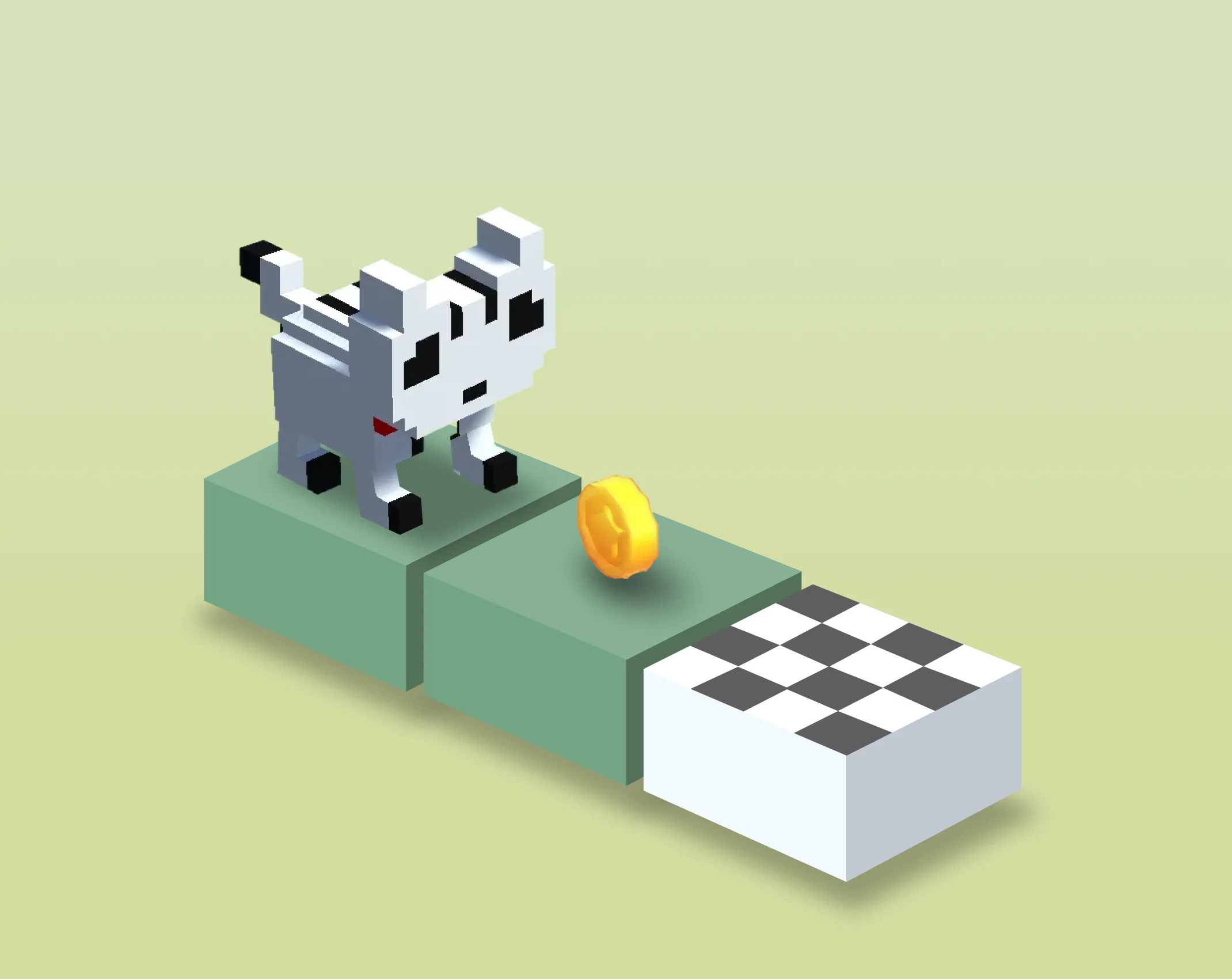
Can gaming make me a better problem solver? is the first of the new stories available in this exhibition. Discover Rodocodo - a fun game that teaches coding in a visual, playful way. Playing games can help kids develop their problem solving skills.
This game isn’t just a great teaching resource. It also has an inspiring origin story. The creator, Chi Dire, developed it with a mission: “I wanted children to know that, with patience, curiosity, and persistence, they could solve problems on their own.”

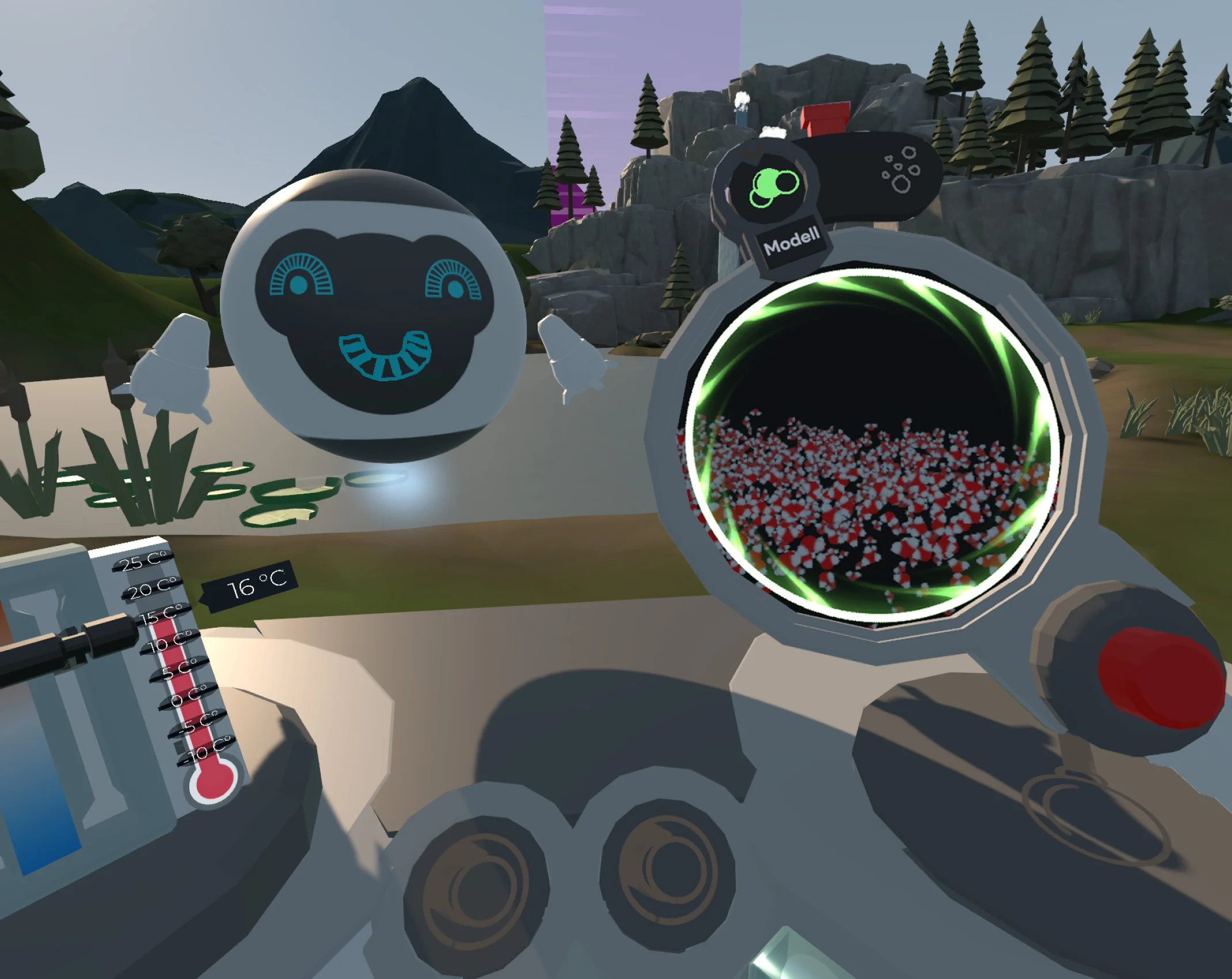
Can you learn science in virtual reality?
We have all seen diagrams of the water cycle before. But what if we could shrink to the size of a water molecule and float into a cloud?
This story uses a 360° video to invite children to explore the water cycle in a virtual learning environment. It explores how VR can create a sense of presence, the feeling of “being there”, and how engaging multiple senses can strengthen understanding and recall.
Immersive learning environments can increase engagement and make abstract concepts more concrete, particularly in science education. In our story, explore when immersive experiences can deepen engagement and when other formats may serve better.
Can sounds help us learn?
Sound surrounds us: in classrooms, homes, and outdoor spaces. Sometimes it supports learning. Sometimes it interferes. The story invites children to explore how listening activates the brain and influences attention, emotion, and memory.
Children's different personalities and ways of thinking can affect how distracted they are by noise. To support these individual needs, our new story explores how students can better manage distractions. For example by using tools like noise-cancelling headphones in the classroom. These can help students filter out background chatter while maintaining the focus needed for complex tasks.
Use this story to help students become more aware of their listening environment and reflect on how sound can shape their learning experience.